If you only know soft, delicate Chinese black teas like Keemun and Lapsang Souchong, Yinghong No.9 will show you a completely different side of Chinese black tea. Many drinkers stick to light, aromatic southern black teas, and never try the full-bodied, robust style that made Guangdong’s Yingde famous. As one of China’s most widely recognized black teas, Yinghong No.9 delivers rich malt sweetness, bright orchid aroma, and a satisfying strong mouthfeel that works beautifully both plain and with milk. This guide covers its origin, unique flavor, exact brewing parameters, and how to get the best out of every cup.
What Is Yinghong No.9 Black Tea?
Yinghong No.9 is a premium large-leaf black tea native to Yingde, Guangdong Province, and is a protected geographical indication product of China. Bred from Yunnan large-leaf tea varieties adapted to Guangdong’s warm, humid climate, it has thick leaves rich in polyphenols, which give the tea its signature strong body and deep color. First developed in the 1950s, it earned the nickname “Oriental Golden Beauty” for its glowing golden-red liquor, and remains one of the most popular daily black teas in China.

What Makes It Unique
Three key traits set it apart from other Chinese black teas in your collection:
- Bold, full body: It has a richer, more substantial mouthfeel than Keemun or Lapsang Souchong, with enough structure to stand up to milk.
- Honey-orchid aroma: It carries prominent notes of wild orchid and raw honey, layered with subtle longan fruit sweetness, with no smokiness.
- Highly versatile: It performs equally well as a neat sipping tea and as a base for milk tea, a rare trait among premium Chinese black teas.
Flavor & Aroma Profile
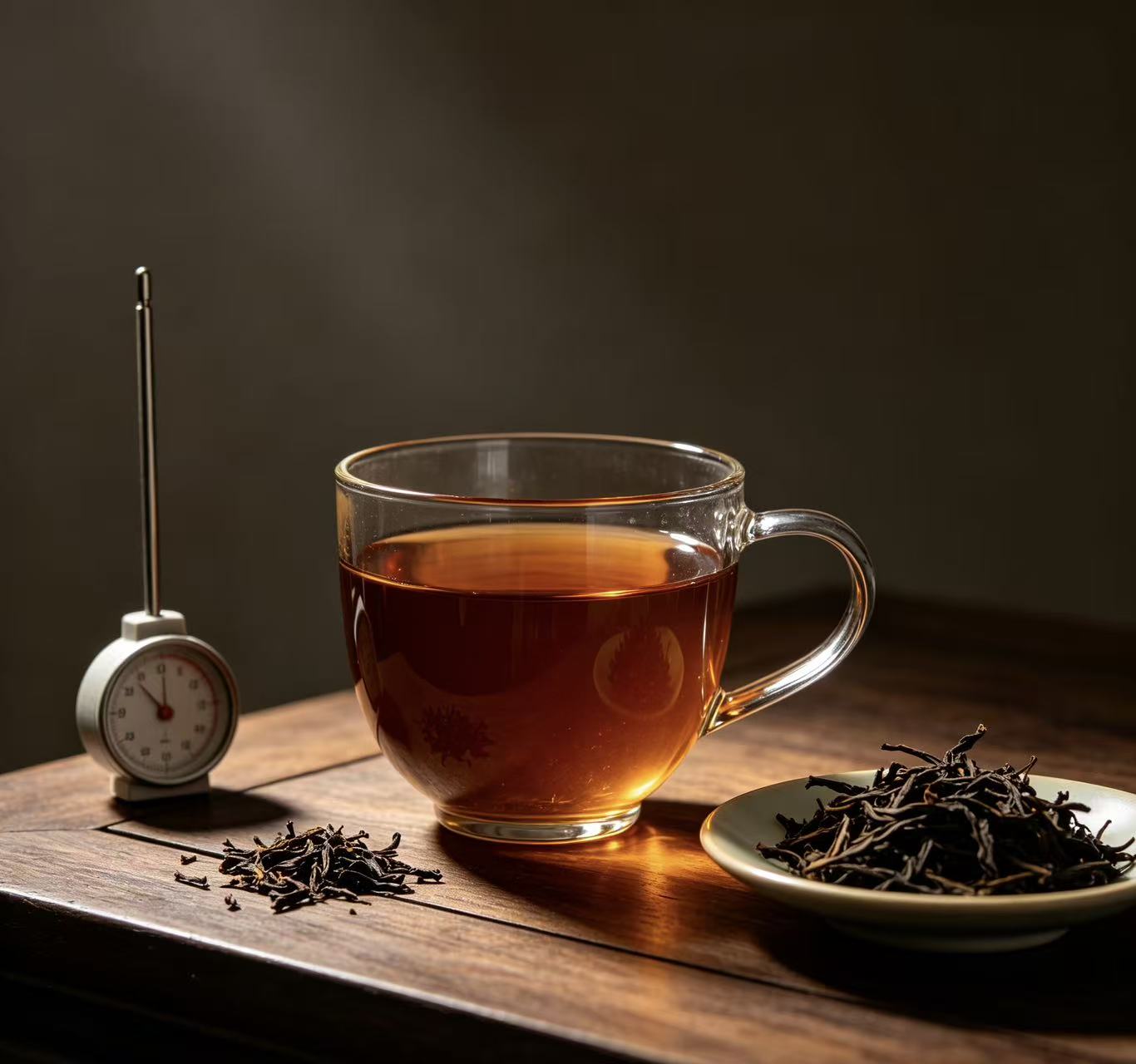
Dry leaves are long, wiry dark brown with golden tips, releasing a sweet, malty floral scent when warmed. When brewed, the liquor is a clear, deep golden-red with a smooth, oily texture. The taste opens with rich malt and honey sweetness, followed by bright orchid floral notes and a clean, fresh fruit finish. It has gentle astringency that gives it structure, but no harsh bitterness when brewed correctly. High-grade spring picks have a noticeable longan-like sweetness that lingers in the aftertaste.
Perfect Brewing Method
Yinghong No.9 is forgiving to brew, but these parameters bring out its best character.

Everyday Mug Brewing
- Leaf amount: 3g per 250ml water
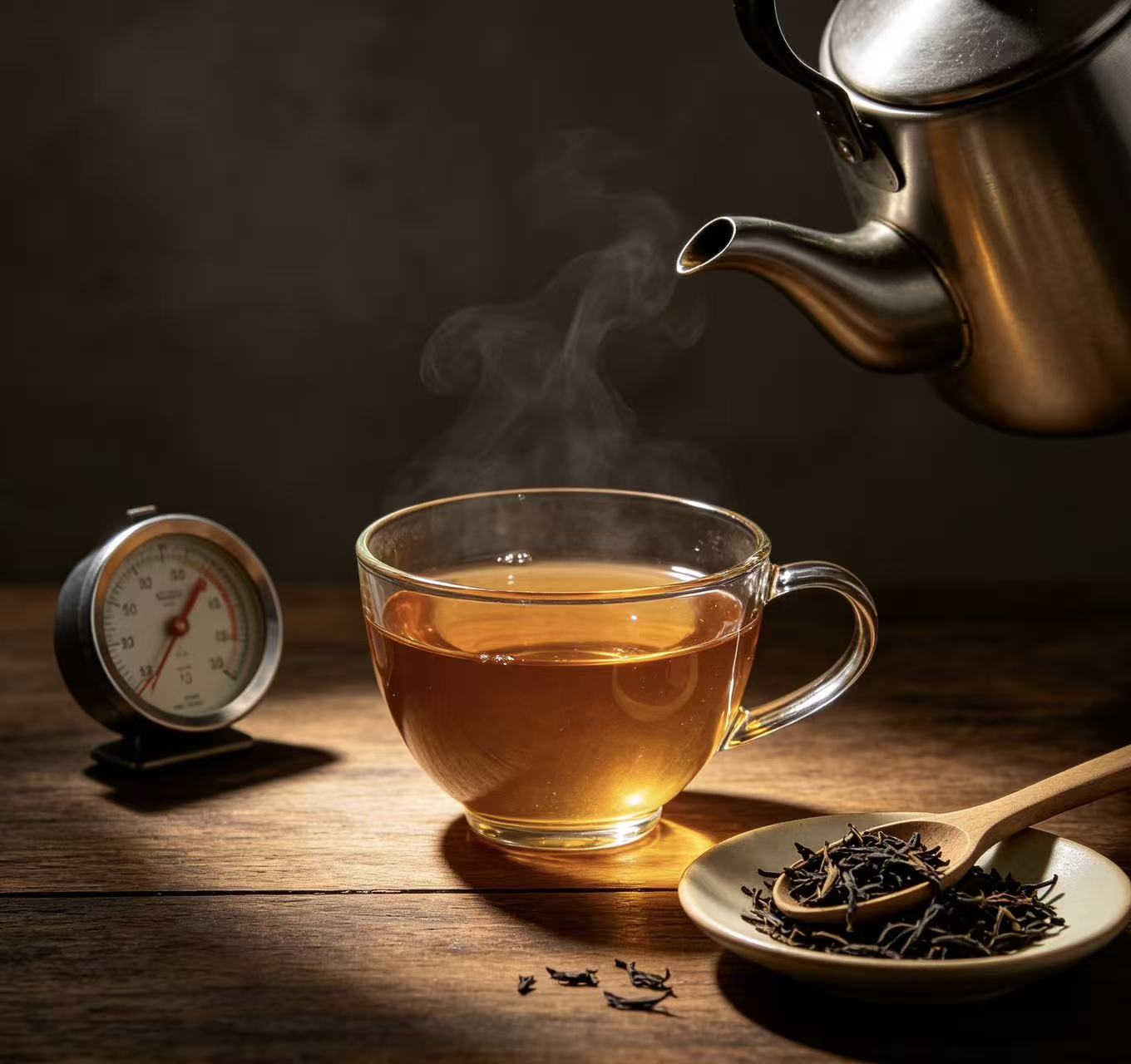
- Water temperature: 95–100°C
- Steep time: 3–4 minutes
- Tip: For a softer, sweeter cup, reduce steep time by 30 seconds.
Gongfu Style Brewing
- Leaf amount: 5g per 100ml water
- Water temperature: 95°C
- First steep: 15 seconds, add 5–10 seconds for each subsequent infusion
- Yields 5–6 good infusions
For Milk Tea
- Use 4g tea per 250ml water
- Steep 4 minutes at 100°C for a strong base
- Mix with warm milk at a 2:1 tea-to-milk ratio

Common Brewing Mistakes
- Brewing too weak: It needs enough leaf and near-boiling water to develop its full body. Weak brewing results in flat, watery tea.
- Steeping over 6 minutes: Extended steeping draws out excess astringency and makes the tea taste harsh.
- Using low-temperature water: Unlike delicate black teas, it needs hot water to extract its full sweetness and aroma.
- Only drinking it with milk: High-grade spring Yinghong No.9 has enough floral complexity to be enjoyed plain.
Frequently Asked Questions
Is Yinghong No.9 similar to Assam?
They share a bold, malty character as large-leaf black teas, but Yinghong No.9 has brighter floral notes and a cleaner finish, with less earthiness than typical Assam.
Does it have more caffeine than other Chinese black teas?
Yes, slightly. Its large-leaf nature gives it moderately higher caffeine content, making it a good choice for morning drinking.
How long does it stay fresh?
Sealed tightly in an airtight tin away from light and heat, it retains its flavor well for 12–18 months.
Final Thoughts
Yinghong No.9 fills a unique spot among Chinese black teas, offering bold, satisfying strength without sacrificing aroma and sweetness, and working equally well for both plain sipping and milk tea. Its approachable, robust character makes it an excellent everyday black tea, and a great next step for drinkers who want to move beyond lighter, more delicate Chinese black tea styles.
To explore more regional Chinese black tea styles, browse our full collection of black tea selections.