Meta Description: New to loose leaf tea and not sure what to buy? Learn 7 practical beginner tips for choosing tea, avoiding common mistakes, and picking leaves you’ll actually enjoy drinking.
If you’re just getting started with loose leaf tea, shopping for it can feel overwhelming. There are dozens of types, hundreds of origins, and every product sounds premium on the label. Many beginners end up guessing, buying based on pretty packaging, or overspending on fancy names they don’t actually like. The good news is you don’t need expert knowledge to buy good tea. You just need a few simple rules to cut through the marketing and pick leaves that fit your taste and budget. In this guide, we share seven practical buying tips for new tea drinkers, so you can shop with confidence and avoid wasting money on tea you won’t enjoy.
Start With One Category, Don’t Buy Everything at Once
The biggest mistake new buyers make is grabbing a little bit of everything — green tea, white tea, oolong, black tea, pu-erh — all in one order.
When you try too many types at once, you can’t tell what you actually like, and most of it will sit in your cabinet going stale. Instead, start with one or two categories that match what you already enjoy drinking.
- If you like light, fresh drinks: start with green tea or light white tea
- If you like fragrant, floral flavors: start with light oolong
- If you prefer bold, warm, breakfast-style drinks: start with Chinese black tea
- If you like smooth, earthy and mellow flavors: start with ripe pu-erh
Master one category first, learn what quality tastes like for that type, then slowly expand from there.
Don’t Judge Tea by Its Packaging
Beautiful tins, fancy boxes and artistic labels say nothing about the quality of the leaves inside. Some of the best everyday teas come in simple, plain resealable bags.
Instead of looking at the design, look for actual information on the listing or package:
- Tea type and specific cultivar or origin
- Harvest season or year
- Leaf grade description
- Recommended brewing temperature and time
If a product only has dramatic marketing words and no concrete details about the tea itself, it’s usually not worth the price.

Buy Small Samples Before Committing to a Full Bag
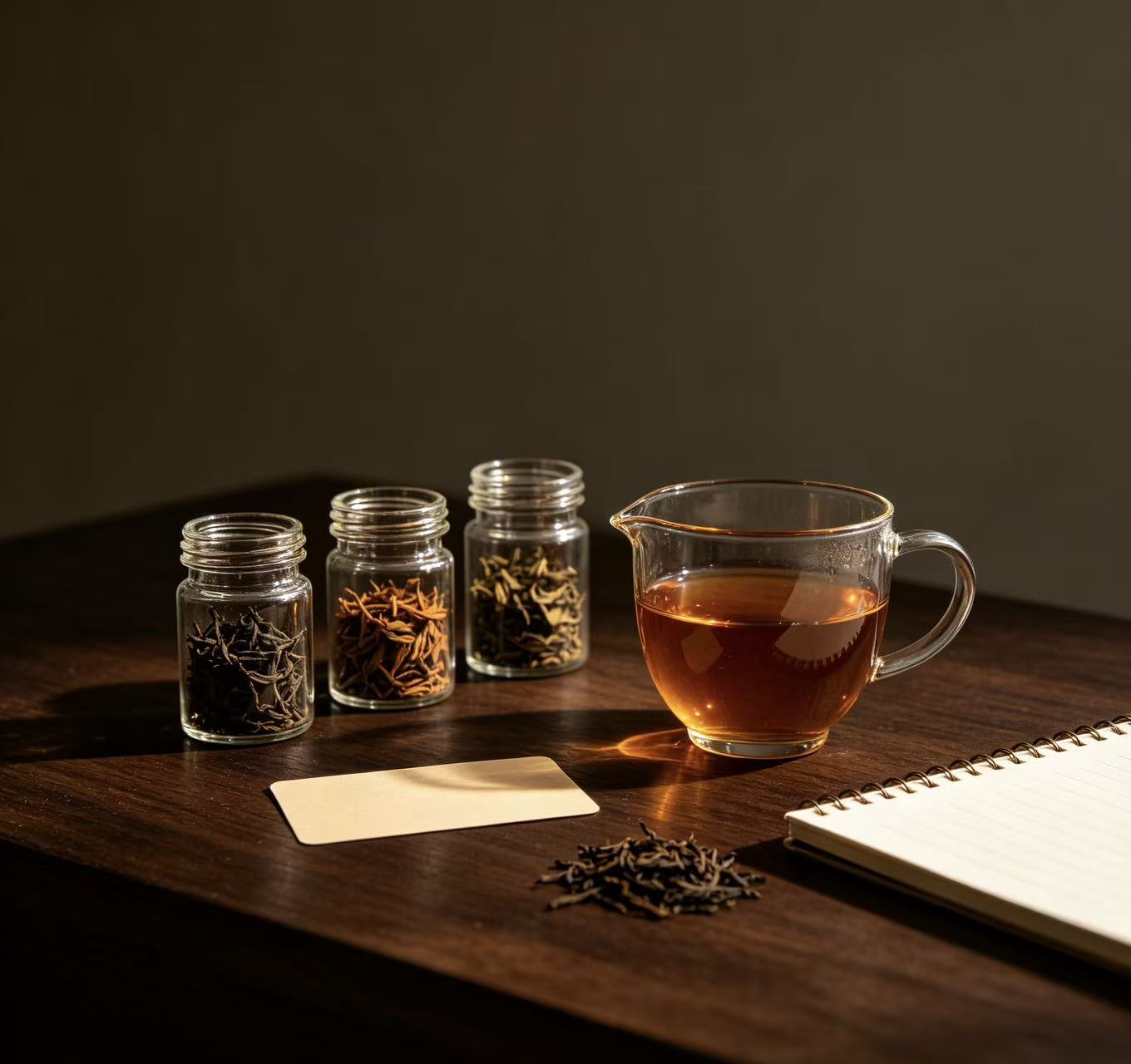
This is the single most useful tip for new tea drinkers. Almost every reputable tea seller offers sample sizes of 10–20 grams.
Samples let you try a tea before you buy a full bag. You can test how it brews, see if you like the taste, and check how it feels to drink — all for a small amount of money. They also let you try several different teas in one order without spending a lot or ending up with bags you’ll never finish.
As a general rule, if a seller doesn’t offer samples, it’s fine to buy the smallest available size first. Never buy a large bag of a tea you’ve never tried.

Don’t Chase “Premium” Names as a Beginner
Words like ancient tree, famous mountain, hand-picked, imperial grade and rare vintage sound impressive, but they are easy to print on a label. For a beginner, they are almost never worth the extra cost.
You can’t taste terroir or age if you don’t yet know what basic good tea tastes like. You’re better off buying a solid mid-range everyday tea from a trustworthy seller than spending extra on premium names you can’t evaluate.
Once you’ve been drinking for a few months and know your preferences, you can start exploring higher grades and more specific origins. Until then, mid-range quality offers the best value by far.
Avoid Extremely Cheap Tea
Quality loose leaf tea costs money to grow, harvest and process. If a “premium whole-leaf tea” is priced far below everything else on the market, it is almost always low-grade material.
Very cheap tea is usually made from broken leaf fannings, old stock, or stems and crumbs left over from higher-grade production. It brews bitter, flat and harsh, and it will give you a bad first impression of loose leaf tea.
You don’t have to buy the most expensive option, but aim for the middle of the price range for whatever type you’re buying. That’s where most of the best value is.
Choose Forgiving Teas When You’re New
Some teas are much easier to brew well than others. When you’re still practicing your brewing technique, pick teas that are forgiving and won’t turn bitter if your timing or temperature is a little off.
Good beginner-friendly choices:
- Black tea: very forgiving, handles hot water and longer steeps well
- Ripe pu-erh: smooth, hard to over-brew, very consistent
- Medium-roasted oolong: balanced, less delicate than light oolong
- White peony white tea: gentle, sweet, hard to mess up
Save very delicate green teas, high-grade silver needle and heavily roasted yancha for later, once you have more control over your brewing.

Pay Attention to Freshness
Tea doesn’t last forever. Most teas taste best within one to two years of harvest, and lighter teas like green tea lose flavor much faster.
When buying, look for a clear harvest date or production date. If there’s no date listed, ask. Avoid tea that has been sitting on the shelf for years, unless it is specifically an aged tea like pu-erh or aged white tea.
Once you bring tea home, store it properly in an airtight container away from light, heat and strong smells. Freshness makes a bigger difference in taste than most beginners realize.
FAQs About Buying Tea for Beginners
What’s the best tea to buy first?
For most beginners, a good-quality Chinese black tea or a light-to-medium oolong is a great starting point. Both are flavorful, forgiving to brew, and easy to enjoy without any special equipment.
Is it better to buy tea online or in person?
Both work. In person you can smell the tea before you buy; online you usually have more selection and better prices. Either way, start with small sizes until you trust the seller.
How much tea should I buy at one time?
For one person drinking daily, 50–100 grams is a good amount. That will last about one to two months, so the tea stays fresh. Buy smaller amounts of teas you drink less often.
How do I know if a seller is reliable?
Look for clear product information, sample options, honest grade descriptions, and realistic pricing. Avoid sellers who rely only on hype, rare claims and extremely low prices.
Buying good tea doesn’t have to be complicated or expensive. Start simple, buy small, focus on mid-range quality, and pick teas that match what you already like to drink. You don’t need to learn every origin and grade all at once. Take it one tea at a time, and over time you’ll build a collection you actually enjoy drinking.For more beginner guides to buying, brewing and enjoying Chinese tea, browse our full tea story archive. To try sample-sized portions of fresh, well-made loose leaf teas, shop our curated collection of beginner-friendly selections.