Meta Description: Got a bitter, weak, or astringent cup of loose leaf tea? Learn how to fix a bad brew on the spot, adjust your next infusion, and make better tea every time with simple beginner-friendly steps.
If you’re new to loose leaf tea, learning how to fix a bad cup of loose leaf tea is one of the most useful skills you can build. Most of your early brews will likely turn out a little off: one cup comes out harshly bitter, the next tastes like thin warm water, and even following recipes to the letter rarely gives you the result you expect. Many beginners assume they lack natural skill, or that they need expensive thermometers and teaware to brew well. The truth is, you don’t have to throw out a bad cup and start over. Most issues can be softened in seconds, and you can correct the next infusion with one small adjustment. In this guide, we’ll help you pinpoint the exact problem, share targeted fixes for every common issue, and give you a universal rule you can use for any tea type.
First, Pinpoint the Exact Problem With Your Brew
Before you make any changes, take 10 seconds to identify what’s actually wrong with your cup. Most “bad tea” falls into four distinct categories, each with a different root cause and targeted fix.
- Bitterness: A sharp, harsh sensation at the back of the tongue that lingers after swallowing, often described as medicine-like or overpowering.
- Weakness: A thin, watery, bland profile with little depth or weight, feeling like lightly colored hot water rather than brewed tea.
- Astringency: A dry, rough, sandpaper-like texture on the sides of the tongue and inner cheeks, often confused with bitterness but entirely separate.
- Flat aroma: A tea that tastes acceptable on the tongue but has no noticeable fragrance, missing the floral, roasted, or fruity notes you expected.

Quick Fixes for a Bad Cup of Loose Leaf Tea
Each problem has a simple on-the-spot solution and a small adjustment for your next infusion. You don’t need any special tools to make these changes.
If Your Tea Is Too Bitter
Right away, add a small splash of cool water to your cup to dilute the brew. This softens the harsh bitter edge without watering down all of the tea’s underlying flavor. A tiny pinch of sugar can also round out sharp bitterness, as long as you use just enough to balance it, not enough to make the tea taste sweet.
For your next infusion, lower your water temperature by 5–10°C, or cut your steep time roughly in half. Bitterness almost always stems from too much heat or over-extraction, so even a few seconds less steeping will make a noticeable difference.
If Your Tea Tastes Weak and Watery
Right away, let the leaves steep for another 30 seconds to pull out more flavor. If it’s still too light after that, drop 1–2 extra tea leaves into the pot and give it another minute to infuse.
For your next infusion, add 1–2 more grams of tea leaves, or increase your steep time by 50%. Weak tea is almost always caused by too few leaves or too short an extraction, and you can also raise the water temperature slightly to help the leaves release flavor faster.

If Your Tea Feels Dry and Astringent
Right away, add a splash of warm water to dilute the brew. Astringency doesn’t soften as easily as bitterness, but dilution will take the rough edge off enough to make the cup enjoyable.
For your next infusion, shorten your steep time and make sure you pour out every last drop between infusions. Leftover water sitting in the gaiwan or teapot will keep extracting the leaves between pours, and that extra extraction is one of the most common causes of excess astringency. For green and white teas, try lowering the water temperature slightly as well.
If Your Tea Has No Noticeable Aroma
Right away, pour the tea back and forth between two cups a few times to aerate it. This releases trapped aromatic compounds and makes the fragrance far more noticeable as you drink.
For your next infusion, raise your water temperature slightly, and take a quick smell of the gaiwan lid or cup rim right after pouring. Flat aroma usually means the water isn’t hot enough to unlock fragrance compounds, or the leaves haven’t fully opened yet. For tightly rolled oolongs, give the leaves a few extra seconds to unfurl before pouring.
The Universal Adjustment Rule for Any Tea Type
You don’t need to memorize dozens of temperature and time charts for every tea type. Once you understand the basics, you can use one simple universal rule to troubleshoot any brew:
- If your tea is too strong, bitter, or astringent: use less heat, less steeping time, or fewer leaves.
- If your tea is too weak, flat, or bland: use more heat, more steeping time, or more leaves.
Every adjustment you ever make is just moving one of these three levers up or down. Start with a baseline recipe, taste the first cup, and only change one variable at a time for the next infusion. Changing everything at once will make it impossible to tell what actually improved the brew, and you’ll never build a consistent feel for your preferences.

One Small Habit for More Consistent Brews
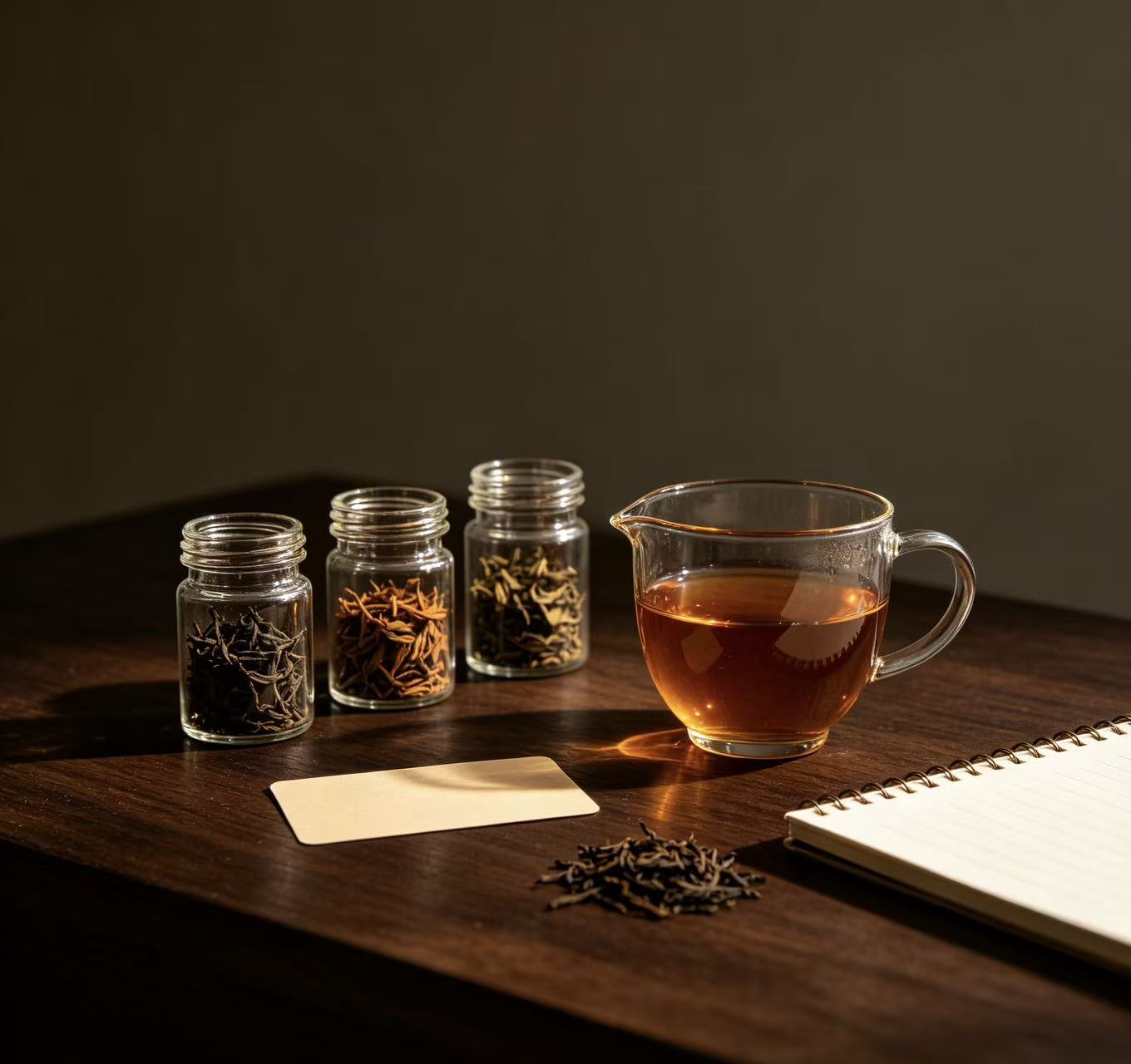
The fastest way to brew great tea consistently is to jot down one small note after each cup. You don’t need a detailed tasting journal — just a quick line on your phone, like “black tea, 95°C, 3 mins, slightly bitter — try 2.5 mins next time.”
Over three or four cups, you’ll learn exactly what you prefer for each tea you own. No generic online recipe will ever match your personal taste, and your own short notes will be far more useful than any general brewing guide.
Quick Answers to Common Tea Brewing Adjustment Questions
Can I fully save an over-steeped cup of tea?
You can soften the bitterness and astringency with a splash of cool water, but you can’t fully reverse over-extraction. The best approach is to adjust your steep time for the next cup, rather than trying to rescue a badly over-steeped brew.
Do I need a thermometer to adjust my brew properly?
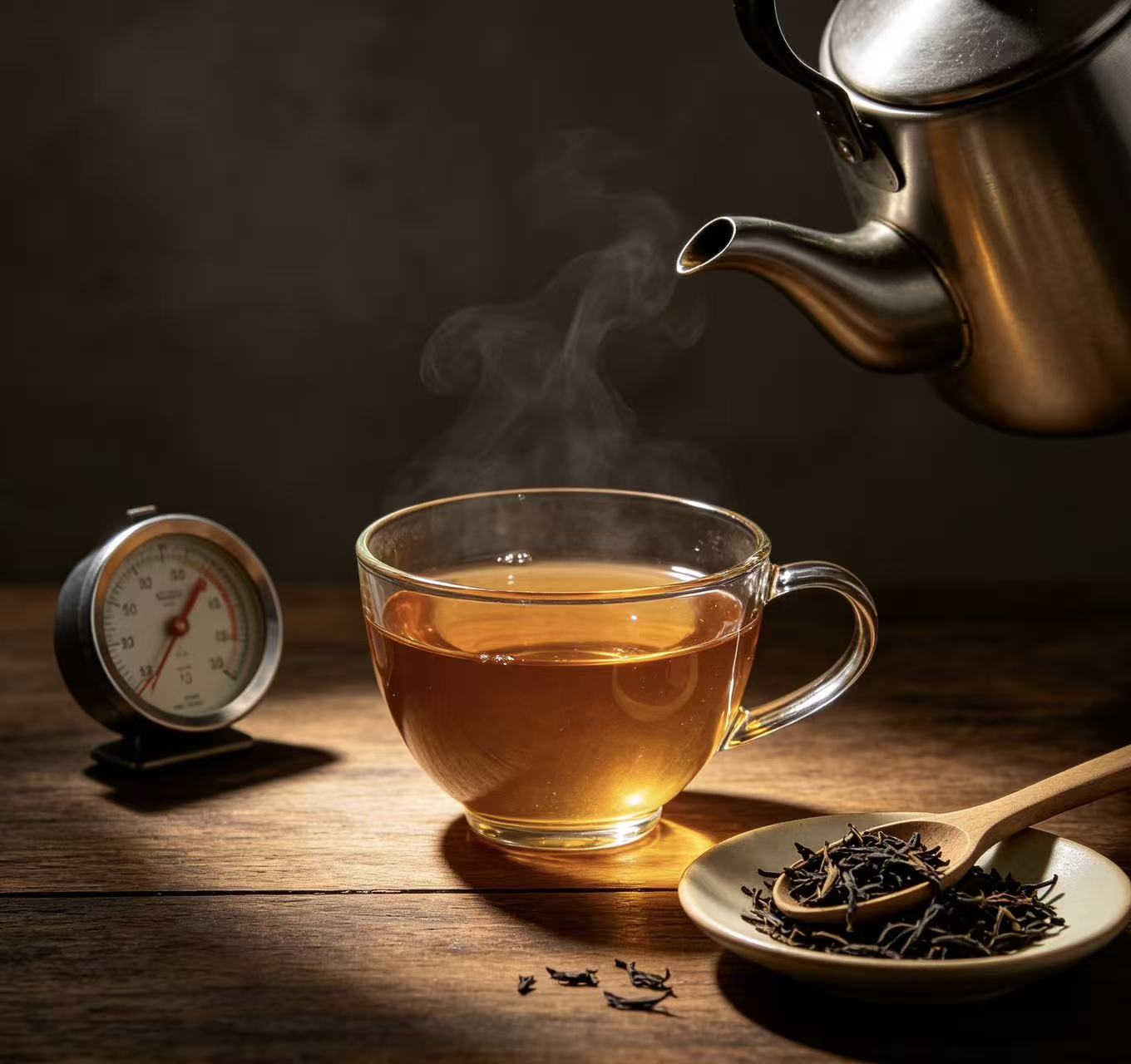
No, you don’t. You can learn to estimate temperature by eye and by how the tea tastes, and adjust from there. A thermometer is a helpful learning tool, but it’s not required to make good, targeted adjustments.
How many changes should I make between infusions?
Only change one variable at a time. If you change both temperature and steep time at once, you’ll never know which one made the difference. One small tweak per infusion is the fastest way to learn and get consistent, repeatable results.
Knowing how to fix a bad cup of loose leaf tea turns frustrating brews into small, easy corrections, and it’s the fastest way to grow more confident as a new tea drinker. You don’t need perfect timing, fancy tools, or years of experience — you just need to name the problem, make one small tweak, and adjust as you go. Over time, fixing off-flavors will feel like second nature, and you’ll be able to make almost any tea taste great.For more beginner-friendly advice, explore our full tea story guides collection, or shop our curated selection of forgiving easy-to-brew loose leaf teas for everyday drinking.