If you think all oolong tea is either light and floral like Tie Guan Yin or bold and rocky like Da Hong Pao, Dong Ding oolong tea will introduce you to an entirely different side of the category. Many oolong drinkers stick to familiar mainland Chinese styles, and never experience the smooth, roasted richness of Taiwan’s most iconic high-mountain oolong. Grown on the misty slopes of Dong Ding Mountain in Nantou, Taiwan, this classic semi-oxidized tea is celebrated for its tightly rolled hemisphere shape, warm caramel and roasted nut aroma, and thick, lingering sweet finish. It strikes a perfect balance between freshness and depth, with none of the harshness or overly light character that turns many drinkers away from other oolong styles. This guide breaks down its origin, unique flavor profile, exact brewing parameters, and how to spot authentic Taiwan-grown Dong Ding amid common imitations.
What Is Dong Ding Oolong Tea?
Dong Ding oolong is a premium semi-fermented tea originating from the Dong Ding tea region in Lugu Township, Nantou County, central Taiwan. It is made from the Qing Xin Gan Zai tea cultivar, picked and processed into tightly rolled, pea-sized hemispheres through a traditional rolling and roasting process. Traditional Dong Ding undergoes moderate oxidation (around 30%) and medium roasting, which gives it its signature warm, rounded flavor and smooth mouthfeel. It is widely considered the founding tea of Taiwan’s high-mountain oolong tradition, with a production history dating back over 150 years.

What Makes It Stand Out From Other Oolong Teas
Three key differences set it apart from the oolong styles already in your collection:
- Unique roasted profile: Unlike the fresh floral notes of Tie Guan Yin or the mineral rockiness of Da Hong Pao, Dong Ding delivers warm caramel, roasted chestnut, and ripe stone fruit notes from traditional wood roasting.
- Distinct hemisphere shape: Tightly rolled into small, uniform pea-sized balls, it unfurls slowly during brewing, releasing flavor gradually across many infusions.
- Smooth, balanced body: It has a thicker, creamier mouthfeel than most lightly roasted oolongs, with low astringency and a long, sweet aftertaste that lingers in the throat.
Flavor Profile of Authentic Dong Ding Oolong
Dry leaves are deep forest green with subtle amber edges, releasing a warm, toasty aroma of roasted nuts and dried fruit when warmed. When brewed, the liquor is a clear, honey-gold color with a thick, oily texture. The first sip opens with sweet caramel and roasted chestnut, followed by soft ripe peach notes and a gentle floral undertone. High-grade traditional Dong Ding has a noticeable “gui yun” — a sweet, returning aftertaste that builds after swallowing, often described as honey-sweet or stone-fruit bright. Lighter roasted versions show more fresh orchid and green fruit notes, while darker roasts lean deeper into caramel and toasted grain character.

How to Brew Dong Ding Oolong Tea for Best Flavor
Dong Ding’s tightly rolled leaves respond best to hot water and short, repeated infusions to unlock its layered flavor.
Gongfu Style Brewing (Recommended)
The traditional way to experience its full aroma and infusion longevity.
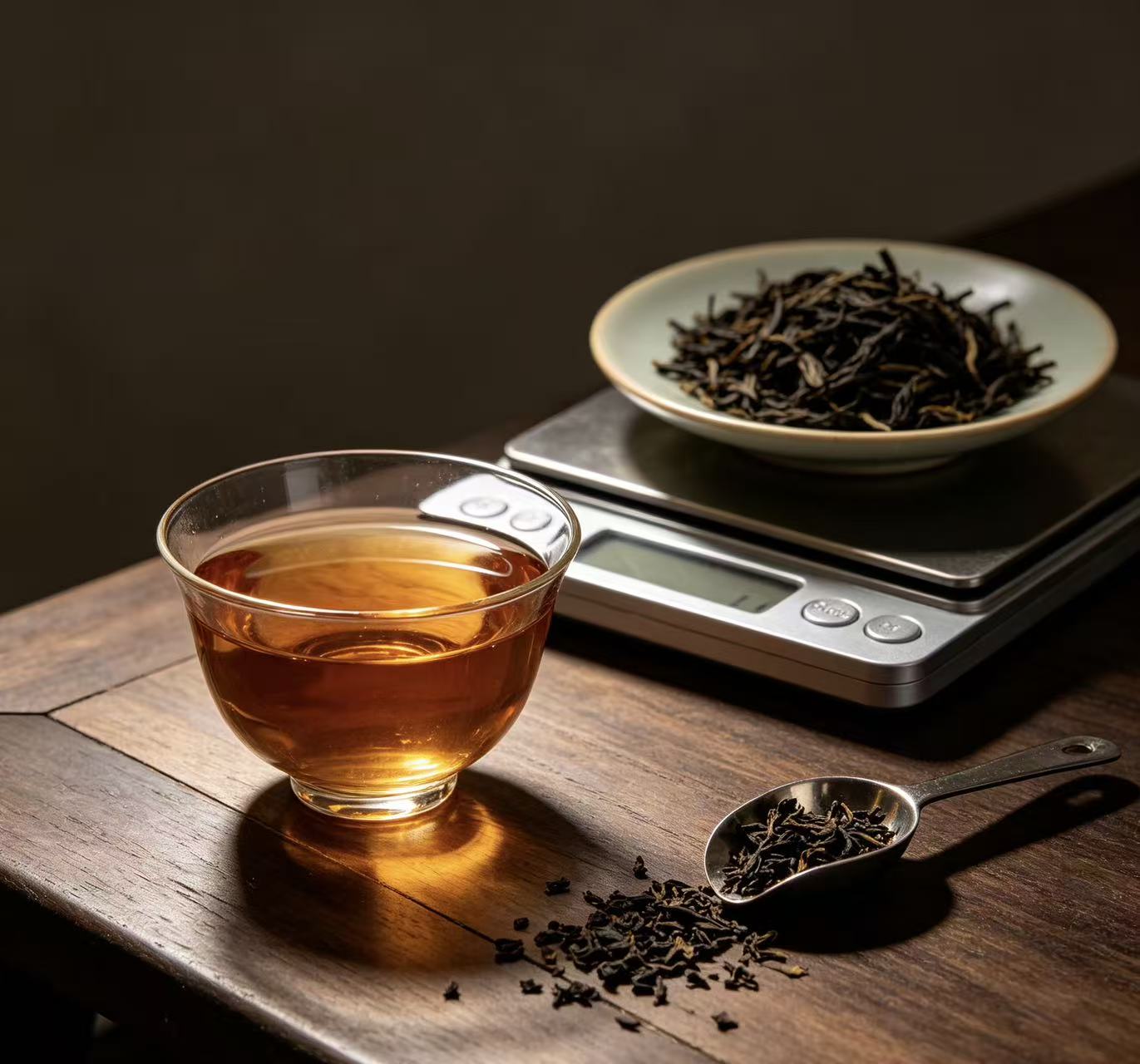
- Leaf amount: 5g per 100ml water
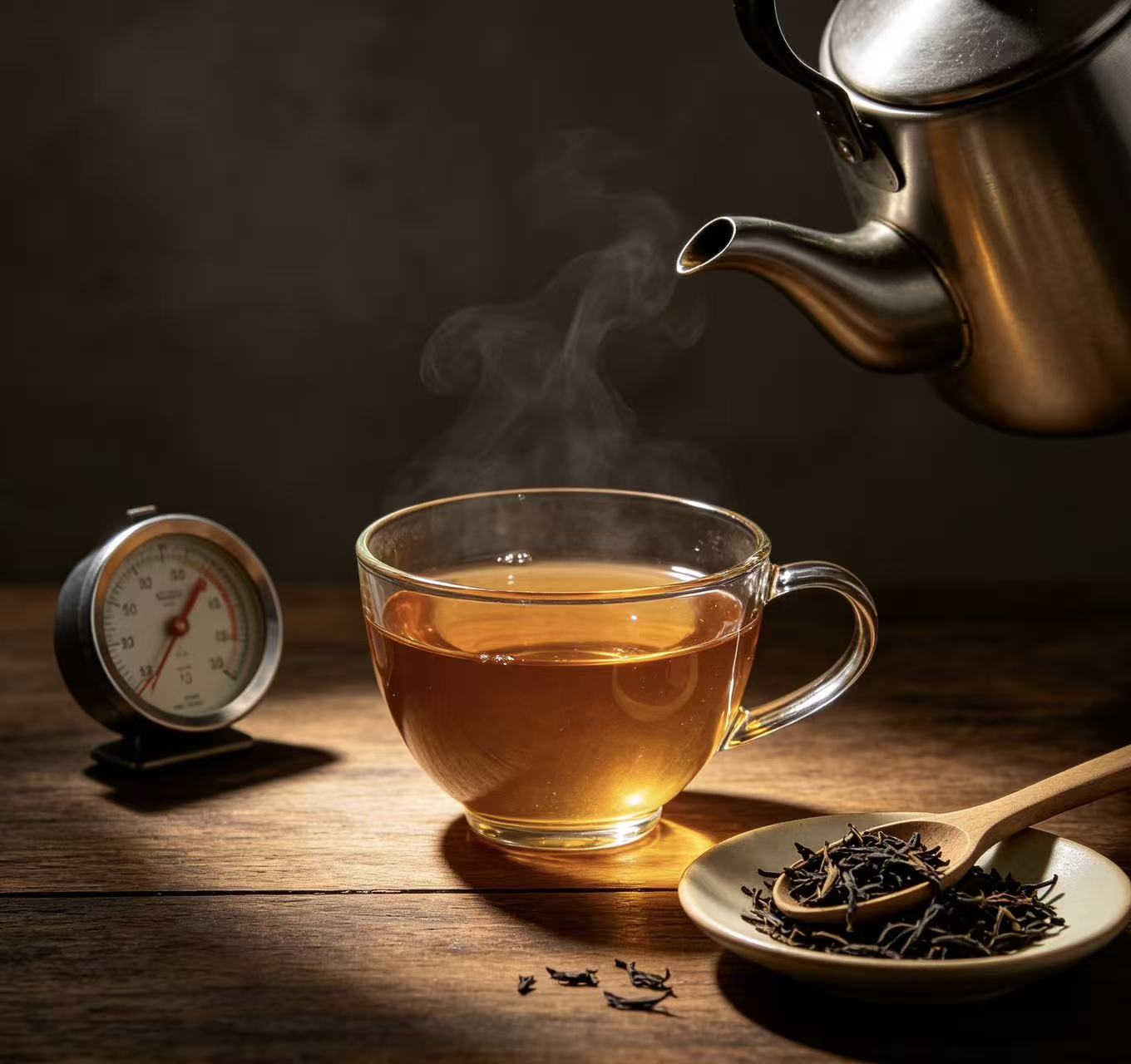
- Water temperature: 95–100°C (203–212°F)
- First steep: 20 seconds, add 5–10 seconds for each subsequent infusion
- Yields 6–8 good infusions
- Tip: Rinse leaves briefly with hot water before the first steep to help them unfurl evenly.

Everyday Mug Brewing
A simpler method for daily drinking.
- Leaf amount: 3g per 250ml water
- Water temperature: 95°C (203°F)
- Steep time: 3–4 minutes
- Tip: Use an infuser to remove leaves promptly to avoid over-extraction.
Cold Brewing
For a smooth, naturally sweet summer drink.
- Leaf amount: 4g per 500ml cold water
- Steep time: 4–6 hours in the refrigerator
- Result: Clean, nutty, and completely free of astringency
Common Mistakes to Avoid
Even premium Dong Ding can taste flat or bitter when brewed wrong. Watch out for these four errors:
- Brewing too cool: Water below 90°C will not properly unfurl the tightly rolled leaves, resulting in weak, flat tea with no depth.
- Using too few leaves: Its dense, rolled shape means you need more leaf by volume than loose-leaf teas. Under-leafing produces watery, flavorless tea.
- Steeping too long on first infusion: The first steep extracts quickly. Over-steeping brings out unnecessary bitterness and masks the delicate roasted sweetness.
- Buying mainland imitations: Many cheap “Dong Ding” teas are made from mainland Chinese leaves with artificial roasting flavor. Authentic Taiwan Dong Ding has uniform, tightly rolled balls and clean, natural toasty aroma.
Frequently Asked Questions
How is Dong Ding different from Tie Guan Yin?
Both are rolled oolongs, but Tie Guan Yin is lightly oxidized and focused on floral orchid notes. Dong Ding is more oxidized, medium roasted, and dominated by warm nutty and caramel notes. It also has a thicker, creamier mouthfeel.
How many infusions does Dong Ding have?
High-grade traditional Dong Ding will deliver 6–8 good infusions, thanks to its tightly rolled structure. Lower grade or lightly rolled versions may only last 3–4 steeps.
Does Dong Ding oolong have caffeine?
Yes, it contains moderate caffeine levels, slightly less than black tea but more than green tea. It is a good choice for steady afternoon energy without the jitters of strong black tea.
Final Thoughts
Dong Ding oolong occupies a unique middle ground in the world of oolong tea, balancing the freshness of lightly oxidized styles with the depth and warmth of roasted teas. Its approachable, nutty-sweet flavor makes it an excellent next step for drinkers who want to move beyond basic green oolongs and explore the richness of traditional Taiwanese tea. Brewed hot and with short repeated infusions, it delivers layers of warm flavor that unfold with every steep.
To explore more iconic oolong styles from across China and Taiwan, browse our full collection of oolong tea selections.