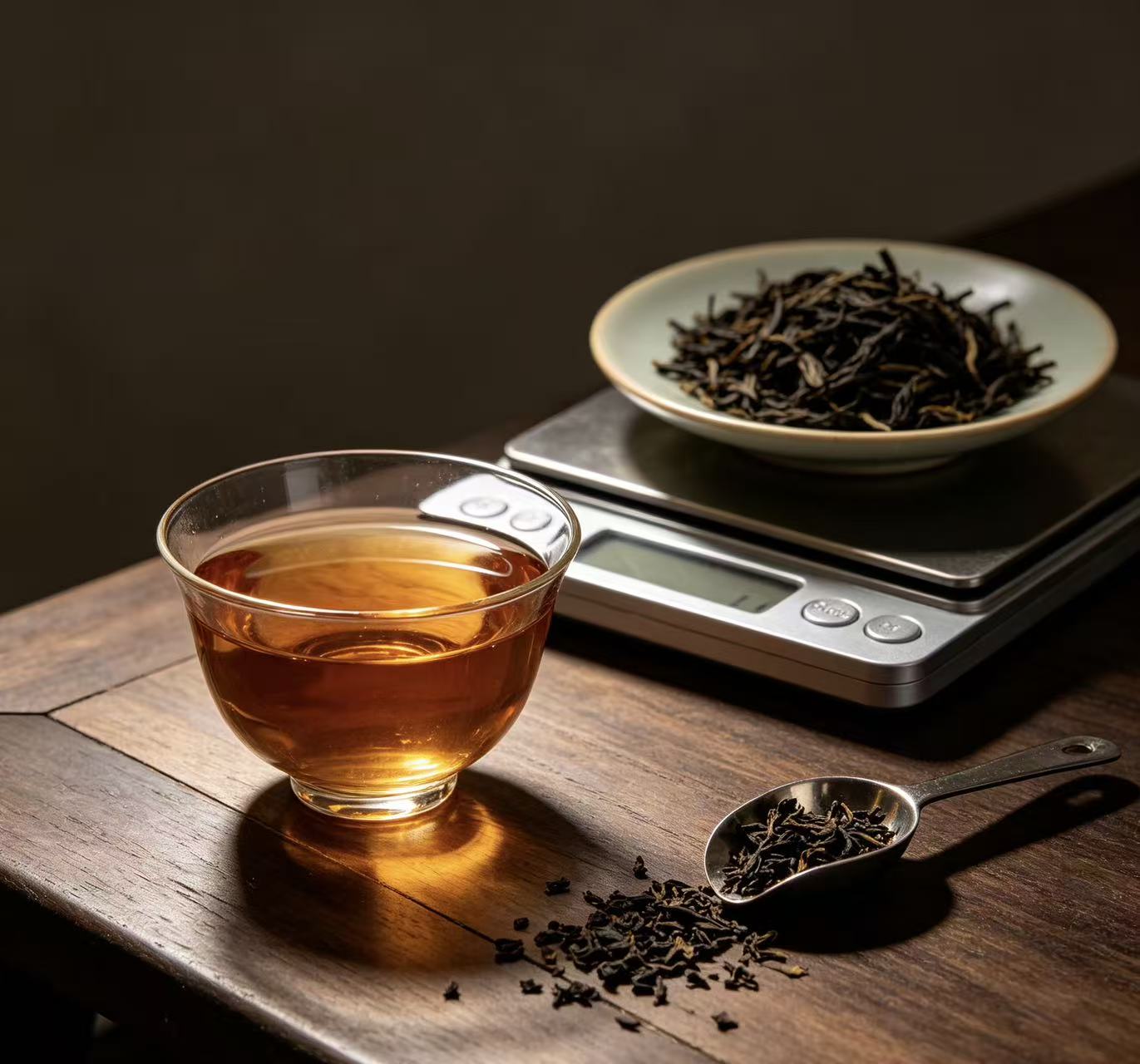
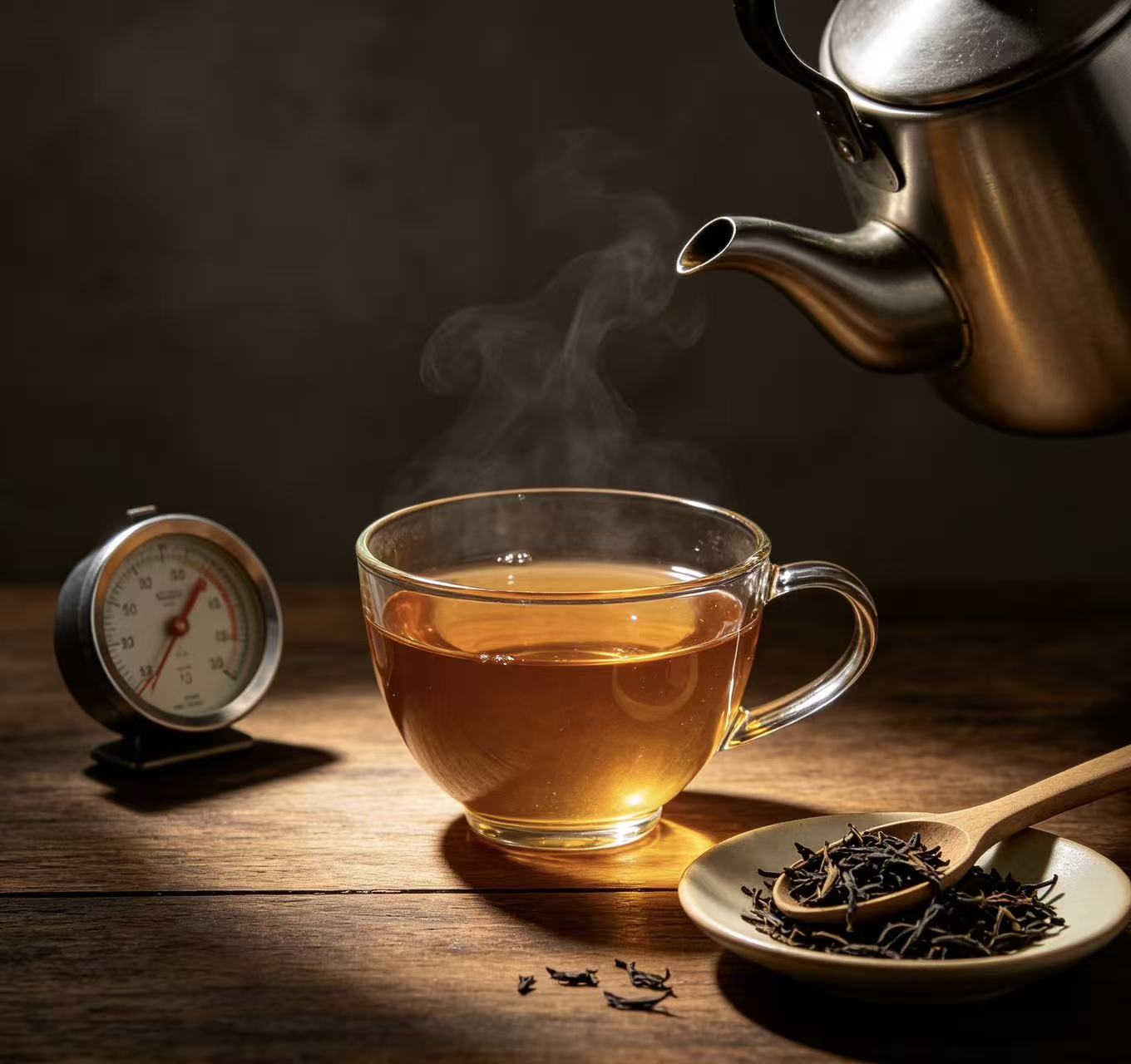
If you think all premium Chinese green teas taste only of fresh grass and chestnut, Huangshan Maofeng will surprise you. Many new green tea drinkers stick to better-known picks like Longjing and Biluochun, and never discover the soft, floral side of high-mountain Chinese green tea. As one of China’s ten most famous teas, this iconic green tea from the misty Huangshan Mountains of Anhui is celebrated for its delicate orchid aroma, sweet lingering finish, and signature sparrow-tongue leaf shape. Grown in cloud-shrouded high elevations, it delivers a cleaner, smoother sweetness than lowland greens, with none of the harsh bitterness many people associate with green tea. This guide breaks down its unique terroir, exact brewing parameters, how to spot authentic grades, and common mistakes that dilute its signature fragrance.
What Is Huangshan Maofeng Tea?
Huangshan Maofeng is a premium baked green tea produced exclusively in the Huangshan mountain region of southern Anhui Province. It belongs to China’s top ten famous teas and has a production history stretching back over 400 years. It is made from tender early-spring buds and one young leaf, picked just before the leaves fully unfurl. Unlike pan-fired greens like Longjing, it is finished with gentle baking drying, which gives it a softer, rounder aroma and a lighter, cleaner mouthfeel. The highest grade, known as “Special Grade Mingqian”, is harvested in the 10 days before Qingming Festival, when leaves are smallest and most concentrated in flavor.

What Makes It Stand Out Among Chinese Green Teas
Three key differences set it apart from other famous Chinese green teas:
- Leaf shape: Tender leaves are rolled into slender, sparrow-tongue shapes with fine silver fuzz, and finished with a characteristic golden “fish leaf” at the base of each bud.
- Aroma profile: It carries a distinct fresh orchid fragrance layered with subtle chestnut notes, a direct result of high-mountain mist and slow baking processing.
- Mouthfeel: The taste is smooth, sweet, and clean from first sip to last, with a long, refreshing sweet aftertaste and almost no astringency.
Flavor Profile of Authentic Huangshan Maofeng
Dry leaves are pale yellow-green with silver tips, releasing a soft, floral, fresh aroma when warmed. When brewed, the liquor is a clear, pale apricot green with no cloudiness. The first sip opens with bright spring vegetable sweetness, followed by a gentle orchid fragrance that builds in the throat. High-grade Mingqian Maofeng has a noticeable honey-like sweetness and a clean, cooling finish. It holds its flavor well across 3–4 infusions when brewed properly, without turning bitter even with slightly longer steeps.
How to Brew Huangshan Maofeng for Best Flavor
Because of its tender buds and fine leaves, Huangshan Maofeng performs best with slightly cooler water and a gentler brewing method than heartier green teas.
Glass Cup Brewing (Top-Drop Method)
The classic way to enjoy its floating leaf shape and delicate aroma. This method prevents scorching tender buds.
- Leaf amount: 3g per 200ml water
- Water temperature: 75–80°C (167–176°F)
- Method: Fill glass ⅔ full with water first, then add tea leaves. Wait 1 minute, then top up with remaining water.
- Steep time: 1.5 minutes for first infusion, add 30 seconds for each refill
- Best for: casual daily drinking and visual appreciation

Gaiwan Brewing
For unlocking layered aroma and testing the tea’s infusion longevity.
- Leaf amount: 4g per 100ml water
- Water temperature: 80–85°C (176–185°F)
- First steep: 20 seconds, add 5–10 seconds for each subsequent infusion
- Best for: tasting the full nuance of high-grade Mingqian Maofeng

Common Mistakes That Ruin Huangshan Maofeng
Even premium leaves can taste flat or bitter when brewed wrong. Watch out for these four errors:
- Using boiling water: Temperatures above 85°C scorch the delicate buds, destroy the floral aroma, and bring out harsh bitterness.
- Using the bottom-drop method: Dropping leaves first then pouring hot water on top cooks the buds immediately. Always use the top-drop method for glass brewing.
- Steeping too long: Extended contact draws out excess tannins. Short, repeated infusions preserve the orchid sweetness far better.
- Buying lowland imitations: Authentic Maofeng must come from high-elevation Huangshan villages. Lowland copies lack the signature floral aroma and have a harsh, grassy taste.
Frequently Asked Questions
How is Huangshan Maofeng different from Longjing?
Longjing is pan-fried, flat-leafed, and dominated by chestnut and bean notes. Huangshan Maofeng is baked, needle-shaped, and has a prominent orchid floral sweetness. It is also smoother and less astringent than most Longjing.
How many infusions does Huangshan Maofeng have?
High-grade Mingqian Maofeng will deliver 3–4 good infusions. Lower grades and later spring picks usually only last 2–3 steeps before fading.
How should I store Huangshan Maofeng?
Like all green teas, it oxidizes quickly when exposed to heat, light, and air. Seal tightly in an airtight tin and store in a cool, dark place. It is best consumed within 6–12 months of harvest.
Final Thoughts
Huangshan Maofeng offers one of the most elegant, accessible expressions of Chinese high-mountain green tea, balancing bright spring freshness with soft floral sweetness that even casual drinkers can enjoy. Its gentle, non-astringent character makes it an excellent next step for anyone who has tried classic Jiangnan greens and wants to explore a different side of Chinese tea. Brewed cool and with care, it delivers layers of orchid aroma and sweet finish that live up to its centuries-old reputation.
To discover more iconic Chinese green teas and compare regional styles, browse our full green tea collection.