Of all traditional Chinese teas, none honors simplicity quite like white tea — and no white tea reaches the quiet luxury of Silver Needle. Grown in the misty coastal hills of Fuding and Zhenghe in Fujian province, this premium tea is made from nothing but plump, unopened leaf buds, withered and dried entirely under natural sunlight. No rolling, no frying, no roasting — just pure, unadulterated tea flavor.
Yet for all its simplicity, Silver Needle is surprisingly easy to brew wrong. Water that’s too hot, a steep that drags on too long, and you’ll end up with flat, bitter water instead of its signature honeyed sweetness. Whether you’re new to white tea or upgrading from basic bags, this guide breaks down what makes Silver Needle unique, how to brew it to its full potential, how to spot real high-quality buds, and the common mistakes to skip.
What Makes Silver Needle the King of White Teas?
Silver Needle — also known as Bai Hao Yin Zhen — is the highest grade of Chinese white tea, with a production history stretching back over 200 years. It was once reserved as a tribute tea for Chinese emperors, and remains the benchmark for premium white tea today.
What sets it apart most is its minimal processing. Unlike green tea (pan-fired to stop oxidation) or black tea (fully oxidized and rolled), Silver Needle follows just two core steps: natural withering under sunlight, and gentle low-temperature drying. This leaves the tea’s natural compounds and delicate flavors almost completely intact. It is lightly oxidized, at roughly 5–10%, making it one of the least processed teas in the world.
The Delicate Flavor Profile You Can Expect
Good Silver Needle does not hit you with bold flavor — it unfolds gently, with a clean, soft sweetness that lingers long after the sip.
Aroma: Fresh hay, wild honey, tender bamboo shoot, and faint floral undertones, with a clean, sun-dried freshness
Taste: Smooth, round, and naturally sweet, with almost no bitterness or astringency when brewed correctly. The signature “sweet return” (gan) builds on the tongue with each sip.
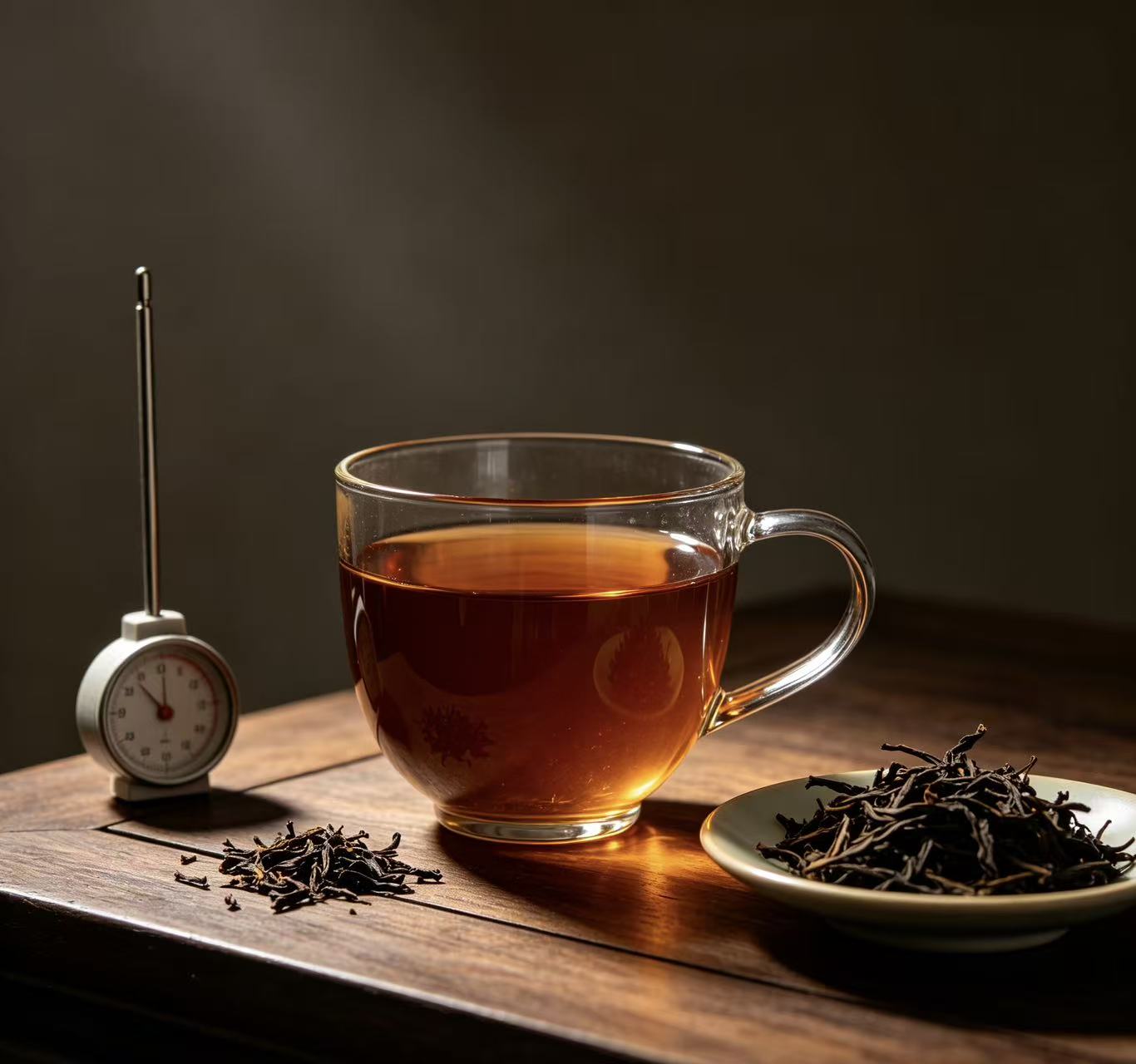
Liquor: Pale, sparkling apricot-yellow, clear and bright
One of its greatest pleasures is how it evolves across infusions: the first steep is light and honeyed, the second brings deeper floral notes, and later steeps reveal subtle stone fruit and hay-like warmth.

How to Brew Silver Needle Perfectly (Step-by-Step)
Silver Needle’s delicate buds reward gentle handling. Follow this method for a balanced, sweet cup every time.
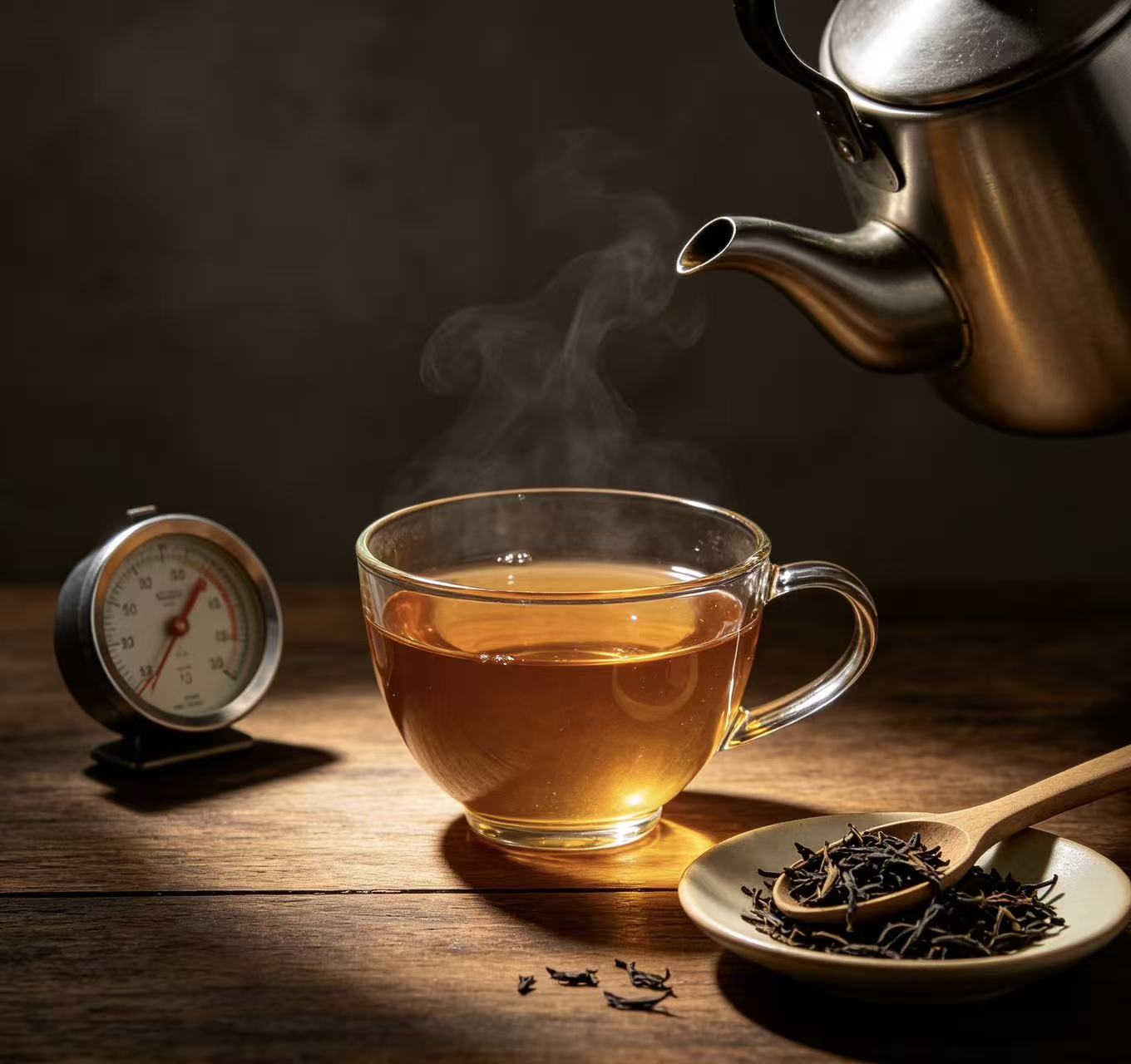
1.Heat water to 175–185°F (80–85°C): Boiling water will scorch the tender buds and bring out unwanted bitterness.
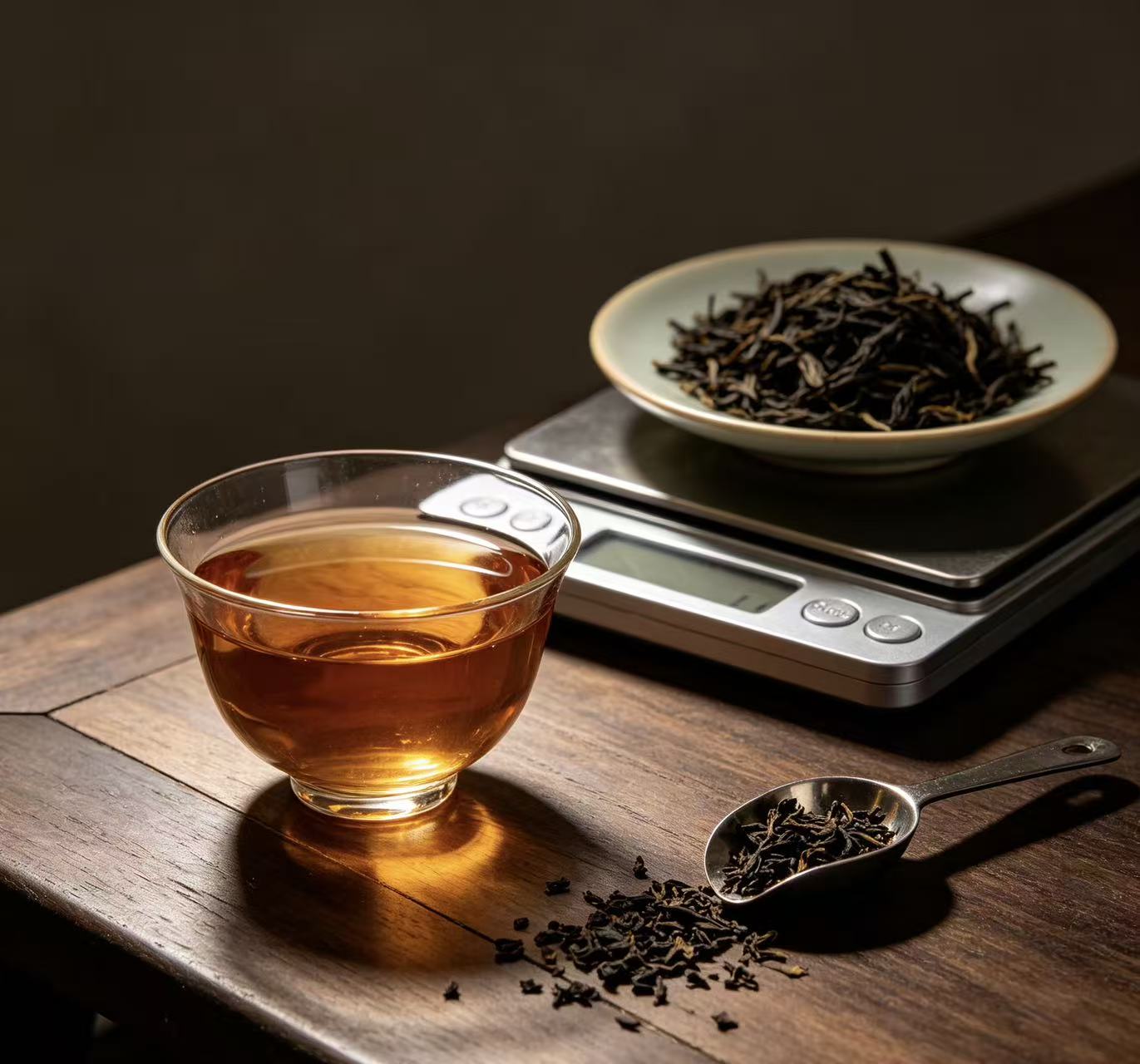
2.Measure the buds: Use 2 generous teaspoons (about 3 grams) of loose Silver Needle per 8-oz cup.
3.Optional quick rinse: Pour a small splash of hot water over the buds, then drain immediately. This wakes up the leaves and softens the fine hairs.
4.Steep gently: Pour hot water over the buds and let steep for 3–4 minutes.
5.Strain fully and enjoy: Remove all buds once steeped. Drink plain to fully taste its subtle sweetness.
For Gongfu style: Use 5 grams of buds in a 100ml gaiwan. Steep for 20–30 seconds per infusion, and enjoy 6–8 consecutive steeps, adding 5–10 seconds each time.

Mistakes That Ruin Silver Needle’s Natural Sweetness
Silver Needle’s subtlety is its superpower — and its vulnerability. These are the most common errors that turn it bland or bitter:
Boiling water: Water above 190°F (88°C) is the number one cause of harsh, bitter Silver Needle.
Over-steeping: Leaving buds in for more than 5 minutes drowns the honey notes in tannins.
Skimping on leaves: Using too few buds results in thin, watery tea with no depth.
Adding milk, sugar, or lemon: Additives completely overpower Silver Needle’s delicate flavor. It is always enjoyed plain.
How to Pick Good Quality Silver Needle
Not all Silver Needle is created equal. Use these three quick checks to spot high-quality buds:
1.Look: Buds should be plump, evenly sized, and covered in fine, silvery-white hairs. Avoid broken pieces, brown discoloration, or visible leaves.
2.Smell: Dry buds should smell clean, sweet, and faintly like hay and honey. Sour, musty, or grassy smells mean poor quality or bad storage.
3.Taste: A good brew will be naturally sweet with no bitter aftertaste. If the first sip is harsh, the tea is low grade or over-processed.
Wellness Benefits of Silver Needle White Tea
Beyond its refined taste, Silver Needle offers gentle, natural wellness support backed by its rich antioxidant profile.
Potent antioxidants: It contains high levels of polyphenols and flavonoids that help protect cells from oxidative stress.
Gentle on the body: With very low caffeine content and no harsh processing, it’s easy on the stomach and suitable for drinking on an empty stomach.
Cooling & hydrating: In traditional Chinese tea culture, white tea is valued for its cooling, moisturizing properties, especially in spring and summer.
Supports steady energy: Its mild caffeine provides calm, sustained focus without the jitters or crash of coffee.
Note: Silver Needle white tea is a traditional beverage, not a medical treatment. Individual effects may vary.
Silver Needle vs. White Peony: Which White Tea Is Right for You?
Silver Needle and White Peony (Bai Mu Dan) are the two most popular Fujian white teas, but they suit very different preferences.
| Aspect | Silver Needle | White Peony |
| Tea material | 100% pure leaf buds | One bud with 1–2 young leaves |
| Flavor | Light, clean, honey-sweet | Fuller, floral, subtly fruity |
| Body | Very light | Light-medium |
| Price point | Premium | Mid-range |
| Best for | Quiet sipping, purist tea experience | Daily drinking, more approachable flavor |
Go for Silver Needle if you want the purest, most refined white tea experience. Choose White Peony if you prefer more flavor depth at a more accessible price.
Frequently Asked Questions
Q: Is Silver Needle a green tea?
A: No. Silver Needle is a white tea. It is lightly oxidized and naturally withered and dried, which places it in a separate category from green tea.
Q: Can you steep Silver Needle more than once?
A: Yes. High-quality loose Silver Needle can be steeped 6–8 times using gongfu style, with each infusion bringing out slightly different notes.
Q: How long does Silver Needle stay fresh?
A: Stored in an airtight, opaque container away from heat, light, and moisture, it stays fresh for 12–18 months. White tea can also be aged for improved flavor over time.
Closing Paragraph
Silver Needle is tea at its most honest: no heavy processing, no added flavors, just the quiet sweetness of sun-dried buds from the Fujian hills. It doesn’t demand attention — it rewards patience. With the right water temperature and a little care, every cup unfolds into a soft, honeyed experience that feels both luxurious and deeply simple.
To explore more traditional Chinese white teas and gongfu brewing tips, browse our full collection of white tea guides.