Most tea drinkers cycle through green, black, and oolong and never stumble on yellow tea — the quietest, most underrated category of China’s six major tea types. At the very top of that category sits Jun Shan Yin Zhen yellow tea, a silvery bud tea grown exclusively on a tiny misty island in Hunan’s Dongting Lake. It looks almost identical to white tea’s Silver Needle, but its secret traditional yellowing step creates a round, chestnut-sweet smoothness completely unlike anything else.
For years it flew under the radar outside of China, and even today many people mistake it for green or white tea — or brew it boiling hot and end up with bitter, grassy water that misses its entire character. If you love light teas but find green tea too harsh on your stomach, this underrated classic might be your perfect match. In this guide, we’ll break down its island origin, the craft that makes it unique, what it really tastes like sip by sip, and how to avoid the fakes that flood the market.
The Tiny Misty Island That Makes China’s Rarest Yellow Tea
Jun Shan Yin Zhen — literally “Jun Mountain Silver Needle” — can only truly be made on Junshan Island, a small hilly island floating in the middle of Dongting Lake in Hunan province. This is not a marketing detail: the island’s unique microclimate is what makes the tea possible.
Surrounded by water year-round, the island is wrapped in soft morning mist and humid air, with mild temperatures and acidic, nutrient-rich soil. Tea buds grow slowly and steadily here, building up natural sweetness and tenderness without the harshness of faster-grown teas. With over 1,000 years of recorded production, it was once reserved as an imperial tribute tea, and today holds protected geographical indication status. Buds grown anywhere else simply do not have the same soft, rounded sweetness.
The Secret Step That Makes Yellow Tea One of a Kind: Men Huang
What separates yellow tea from every other category is a single slow, careful step called men huang — roughly translated as “yellowing.” It is the reason Jun Shan Yin Zhen does not taste like green tea or white tea, even if it looks similar.
After the fresh buds are briefly heated to lock in freshness, they are wrapped tightly in cloth and left to rest for hours at a controlled warm humidity. Instead of stopping oxidation entirely like green tea, or letting it happen naturally like white tea, yellow tea goes through a slow, gentle partial oxidation from the inside out. This process breaks down harsh, grassy polyphenols, softens tannins, and builds warm, nutty, grainy sweetness. The result is a tea that sits between green and white in oxidation, but feels far rounder and gentler on the palate than either.

What Does Jun Shan Yin Zhen Taste Like? A Sip-by-Sip Breakdown
Good Jun Shan Yin Zhen does not hit you with bold flavor — it unfolds softly, and evolves noticeably from the first steep to the last.
Dry bud aroma: Warm, toasty, and sweet, with clear notes of roasted chestnut and fresh sweet corn
First steep: Light, clean, and silky on the tongue, with soft corn sweetness and zero grassy bite or bitterness
Mid steeps (2–4): The signature chestnut depth emerges, paired with a lingering sweet aftertaste that builds on the back of the throat
Late steeps: It fades gently rather than dropping off, staying sweet and clean through 6–8 infusions
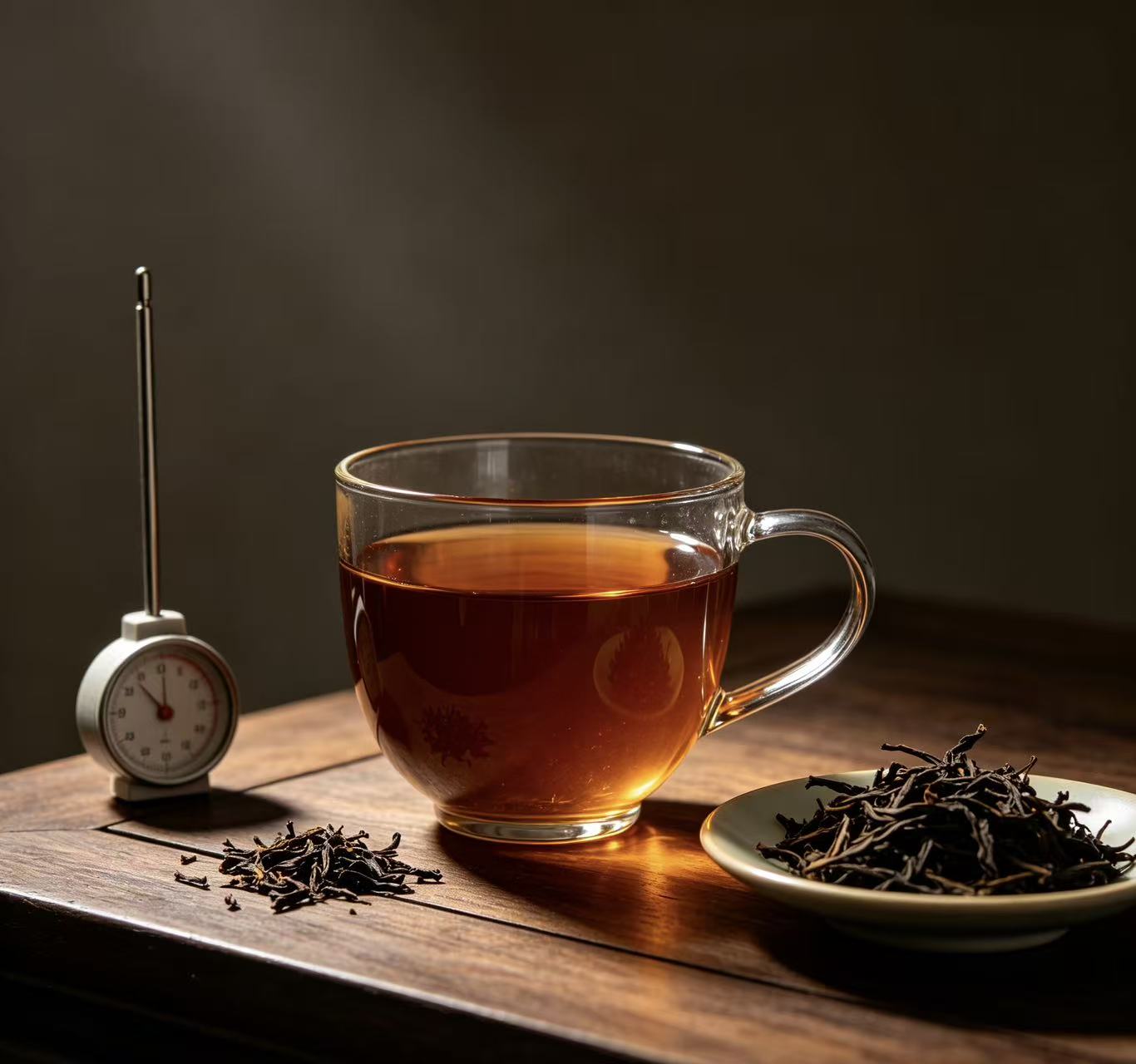
Liquor: Pale, luminous golden-yellow, perfectly clear from first pour to last
If you have only ever had Silver Needle white tea, expect less hay-like freshness and more warm, nutty roundness — like the difference between fresh grass and toasted grain.

Two Ways to Brew Jun Shan Yin Zhen (For Every Skill Level)
There is no single correct way to brew this tea — choose the method that fits your time and how much flavor detail you want.
Everyday Cup (Beginner-Friendly, Zero Fuss)
Best for a quick, reliable daily drink:
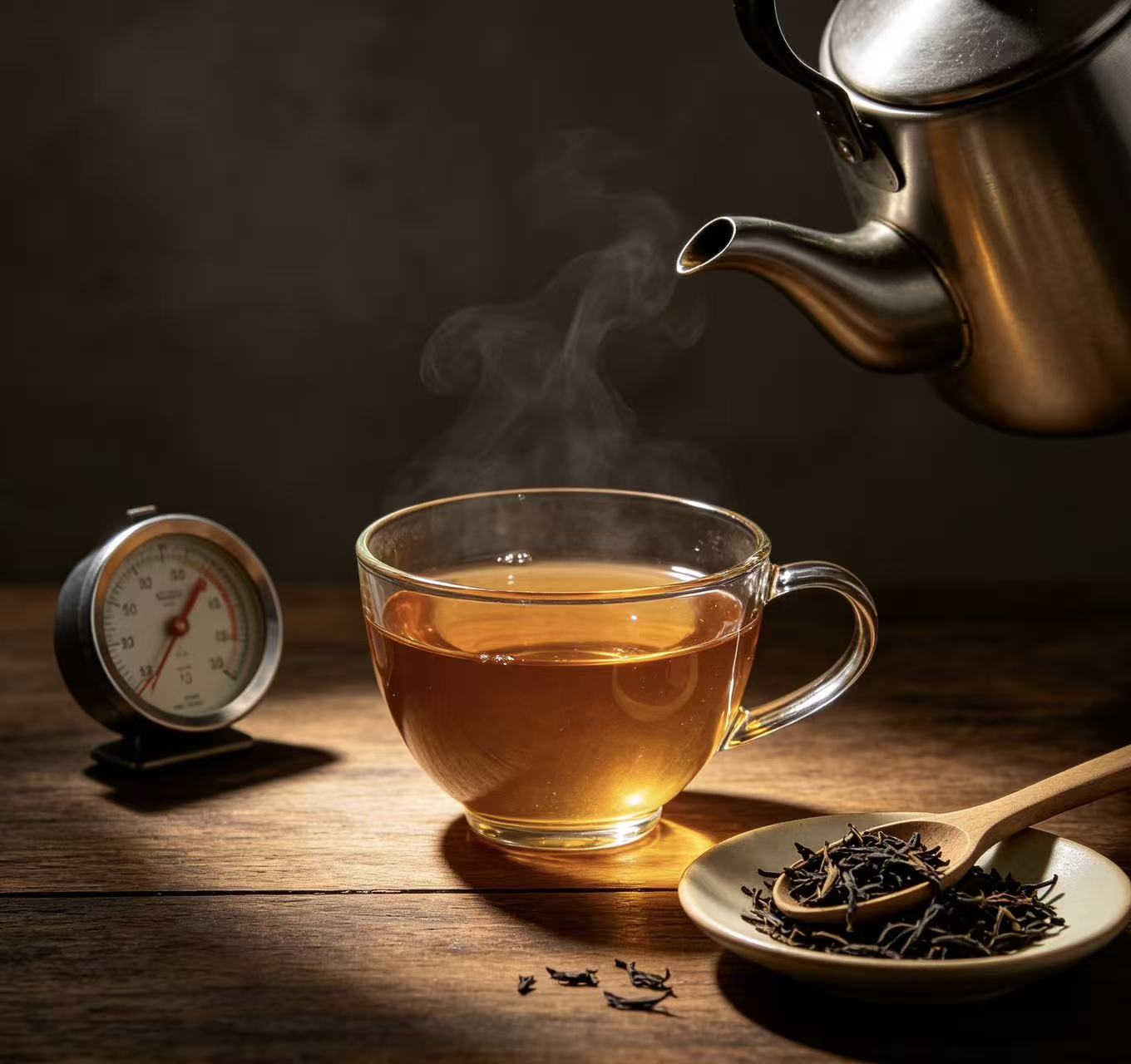
Heat filtered water to 180–190°F (82–88°C) — never boiling
Measure 3 grams (roughly 2 level teaspoons) of buds per 8-oz cup
Pour water and steep for 3–4 minutes
Strain fully and drink plain
Gongfu Style (Full Flavor Experience)
Best for tasting the full sip-by-sip evolution:
Use 5 grams of buds in a 100ml small gaiwan
First infusion: 15 seconds
Add 5 seconds to each subsequent steep
Enjoy 6–8 total infusions
Summer shortcut: Cold brew 4 grams of buds in 12 oz of cold filtered water for 4–6 hours in the fridge. It comes out extra smooth and naturally sweet, with no bitterness at all.
How to Spot Authentic Jun Shan Yin Zhen (And Avoid Fakes)
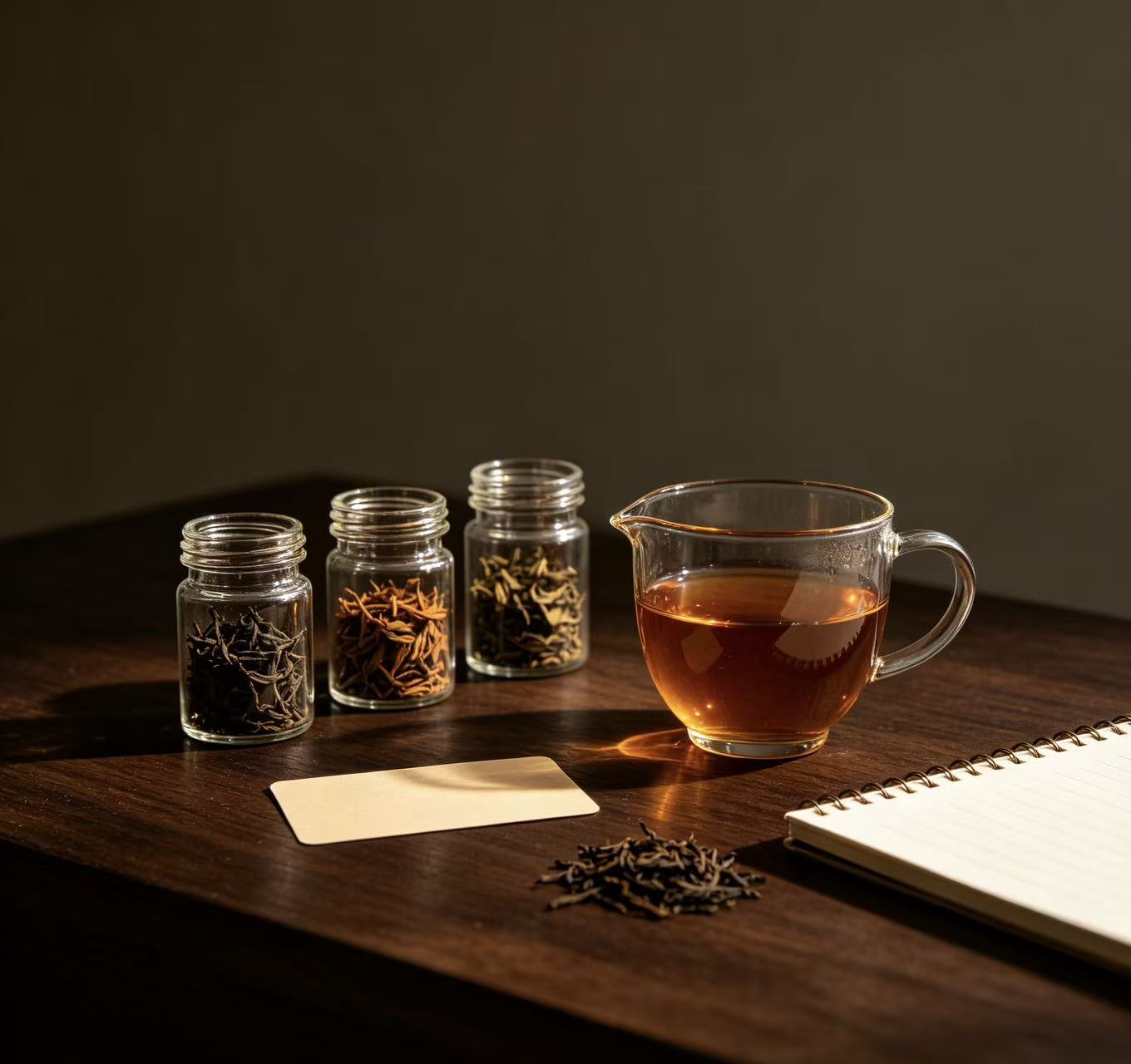
Because it is rare and premium, plenty of sellers pass off Silver Needle white tea or cheap green tea buds as Jun Shan Yin Zhen. Use these three quick checks before you buy:
1.Look closely: Real buds are straight, uniform, and pale yellow-green under their silvery fuzz. Pure white, overly fuzzy buds are almost certainly white tea, not yellow tea.
2.Smell the dry leaves: Authentic buds smell warm, nutty, and faintly toasty. If they smell like fresh hay or grass, they are not real yellow tea.
3.Taste test: A proper brew will have zero sharp grassy bitterness. If the first sip feels harsh or green, it is either low grade or fake.
Who Should (And Shouldn’t) Drink This Yellow Tea
Jun Shan Yin Zhen is not for everyone — but for the right person, it is perfect.
Great for you if:
Green tea irritates your stomach or feels too harsh
You prefer light, naturally sweet teas without sugar
You want calm, steady caffeine without coffee jitters or crashes
You enjoy exploring rare, traditional Chinese teas
Probably not for you if:
You prefer bold, strong, full-bodied teas like black tea or roasted oolong
You only drink tea with milk, sugar, or flavorings
Note: Jun Shan Yin Zhen yellow tea is a traditional beverage, not a medical treatment. Individual effects may vary.
Frequently Asked Questions
Q: Is Jun Shan Yin Zhen just another name for Silver Needle?
A: No. They look similar but are entirely different teas. Jun Shan Yin Zhen is a yellow tea with a yellowing step; Silver Needle is a white tea with no processing beyond withering and drying. Their flavors are very different.
Q: Does yellow tea have less caffeine than green tea?
A: Caffeine levels are roughly similar, but the yellowing process softens harsh polyphenols. This makes it feel much gentler on the body and less likely to cause jitters or stomach upset.
Q: Can you age Jun Shan Yin Zhen like white tea?
A: You can age it properly, and it will grow softer and sweeter over time. But it is most commonly enjoyed fresh, and does not age as dramatically or for as long as high-quality white tea.
Closing Paragraph
Jun Shan Yin Zhen is the kind of tea that rewards curiosity. It does not scream for attention or dazzle with bold flavors — instead it wins you over slowly, with silky smoothness, quiet sweetness, and the quiet craft of a thousand-year-old tradition. For anyone tired of the same three tea categories, it is exactly the underrated gem worth seeking out.
To explore more rare traditional Chinese yellow teas and regional styles, browse our full collection of yellow tea guides.