If you’ve only ever had oolong tea from bubble tea shops and wonder what traditional Chinese oolong really tastes like, Tie Guan Yin oolong tea is the classic place to start. Grown in the misty mountains of Anxi county in Fujian province, this legendary semi-oxidized tea is prized for its signature orchid aroma and smooth, sweet aftertaste — yet many beginners brew it too strong or with boiling water, ending up with bitter, astringent tea instead of its delicate character. Whether you’re new to oolong or want to perfect your gongfu brew, getting the most out of Tie Guan Yin only takes a few simple rules. In this guide, we’ll cover its origin, flavor profile, wellness benefits, step-by-step brewing instructions, and the most common mistakes to skip.
What Is Tie Guan Yin Oolong Tea?
Tie Guan Yin, also spelled Ti Kuan Yin, is a traditional Chinese oolong tea originating from Anxi County in Fujian province. It is a semi-oxidized tea, falling somewhere between green tea (unoxidized) and black tea (fully oxidized), with a typical oxidation level of around 20–30%.
Named after the Buddhist goddess of mercy, Tie Guan Yin has over 300 years of production history and is widely regarded as one of China’s most famous oolong teas. High-quality Tie Guan Yin is known for its lingering floral fragrance and smooth, sweet taste that rewards multiple infusions.
What Does Tie Guan Yin Oolong Tea Taste Like?
Good Tie Guan Yin is defined by its layered aroma and balanced, non-bitter flavor profile.
Aroma: Signature orchid fragrance with notes of honey, fresh flower, and subtle roasted chestnut (for darker roasted styles)
Flavor: Smooth, creamy, and naturally sweet, with a long-lasting floral aftertaste often called “guan yin yun”
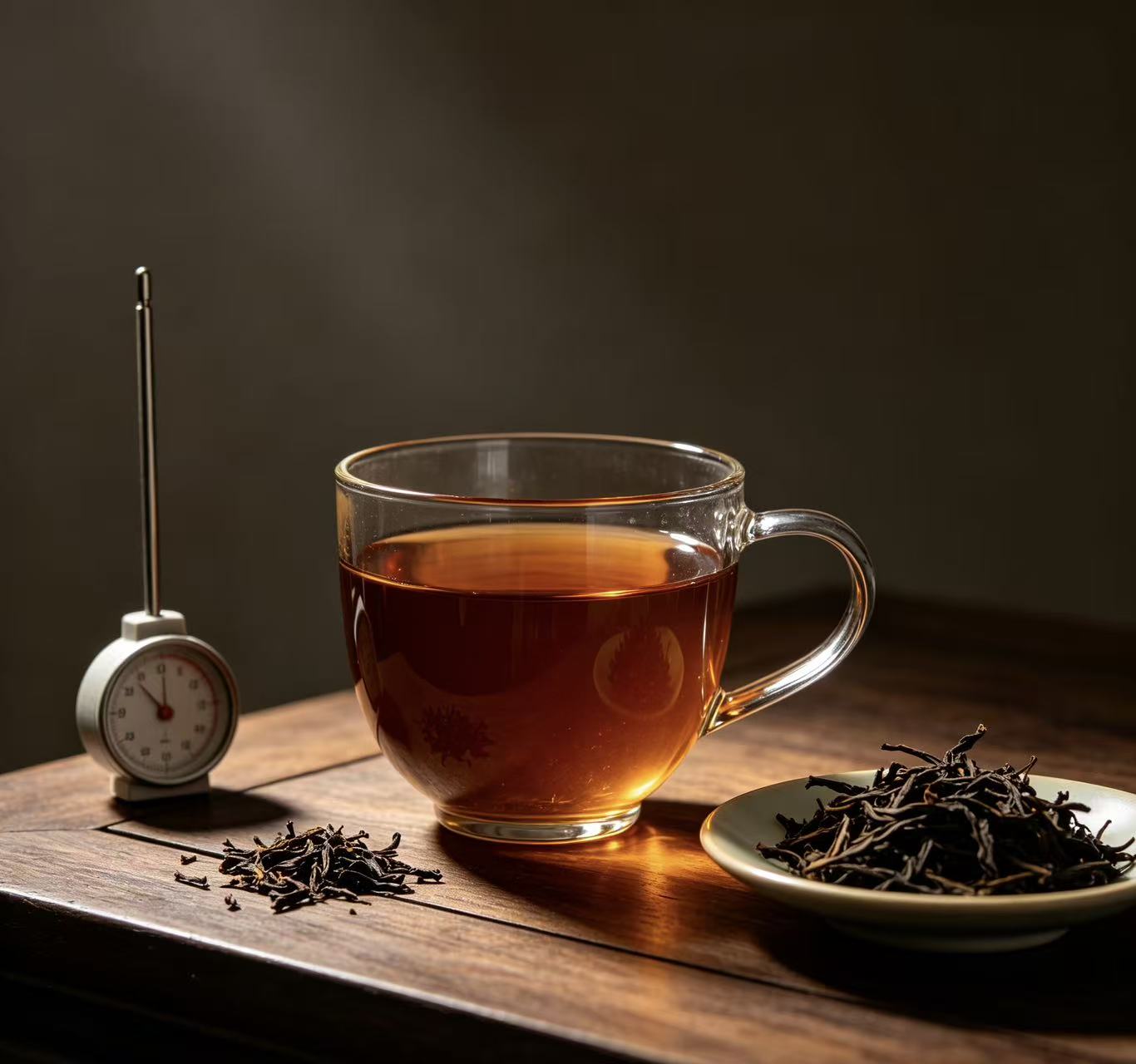
Liquor: Pale golden-yellow color, clear and bright
Light, traditionally processed Tie Guan Yin leans floral and fresh; heavier roasted versions have warmer, nuttier notes.

Key Benefits of Drinking Tie Guan Yin Oolong Tea
Beyond its celebrated taste, Tie Guan Yin oolong tea offers natural wellness benefits from its rich polyphenol and antioxidant content.
High in antioxidants: It contains abundant catechins and polyphenols that support cellular health and fight oxidative stress.
Supports metabolism: Regular moderate consumption is linked to improved metabolic function and healthy weight management in population studies.
Gentle, sustained focus: With moderate caffeine content, it provides calm alertness without the jitters or energy crash from strong coffee.
Supports digestion: Warm Tie Guan Yin tea helps soothe the stomach and aid digestion, especially after heavy or greasy meals.
Note: Tie Guan Yin oolong tea is a traditional beverage, not a medical treatment. Individual effects may vary.
How to Brew Tie Guan Yin Oolong Tea (Step-by-Step)

For a standard 8-oz western-style cup, follow these steps for a balanced, fragrant brew. For traditional gongfu style, see the note below.
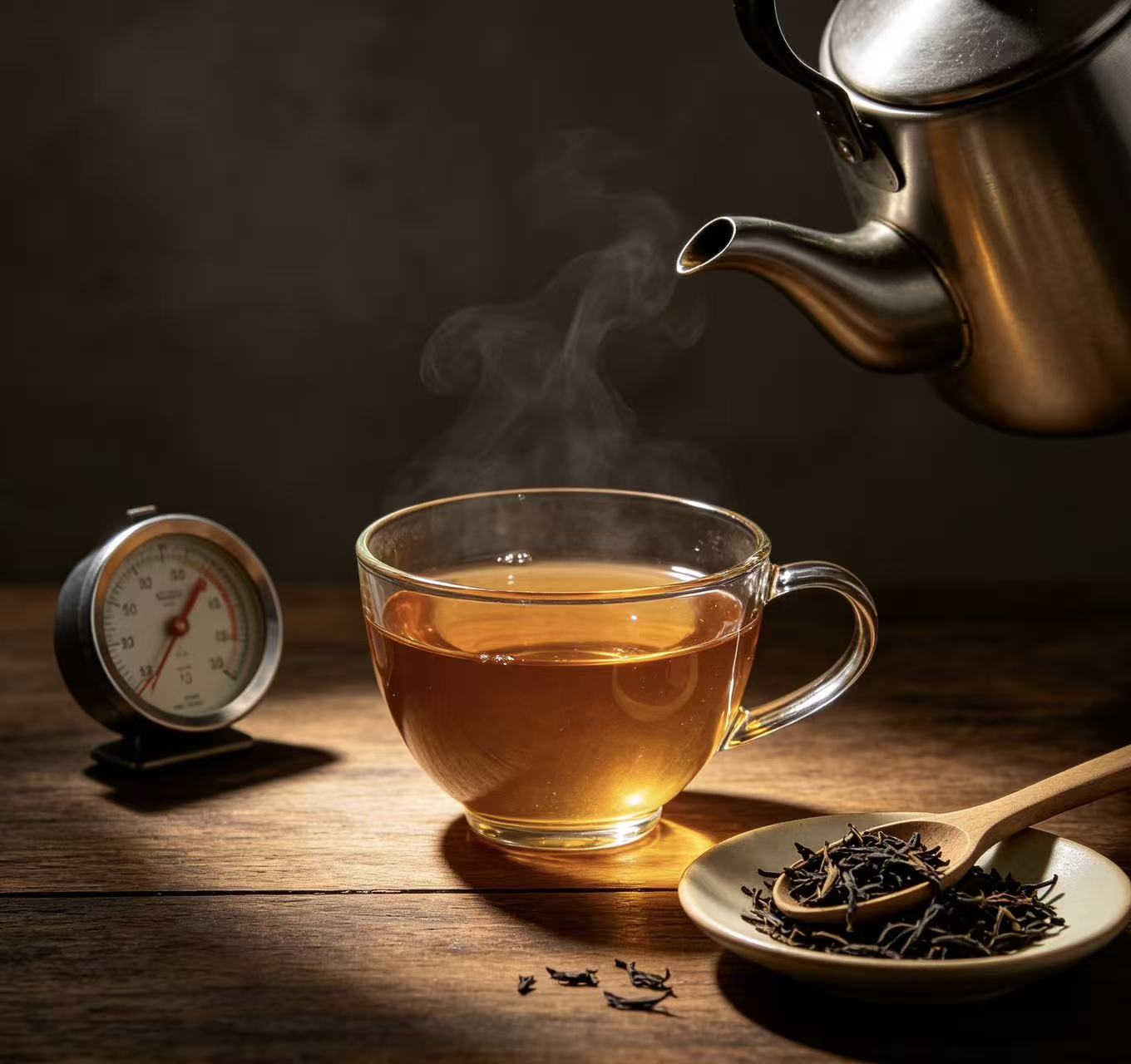
1.Heat water to 185–195°F (85–90°C): Do not use boiling water. High heat will burn the delicate leaves and create bitterness.
2.Measure tea leaves: Use 1 level teaspoon (about 3 grams) of loose leaf Tie Guan Yin per cup.
3.Pour and steep: Pour hot water over the leaves and let steep for 2–3 minutes.
4.Strain and serve: Remove the leaves completely. Enjoy plain to fully appreciate its floral aroma.
For gongfu style brewing: Use 7–8 grams of leaves in a 100ml gaiwan, steep for 5–10 seconds per infusion, and enjoy 7–10 consecutive steepings.
Common Mistakes That Ruin Tie Guan Yin Tea
Tie Guan Yin’s delicate floral character is easy to ruin with small errors. Avoid these common beginner mistakes:
Using boiling water: Water over 200°F (93°C) is the #1 cause of bitter, astringent Tie Guan Yin.
Steeping too long: Leaving leaves in for over 4 minutes overwhelms the floral notes with harsh tannins.
Using too many leaves: Overloading your cup results in strong, bitter tea that masks the natural sweetness.
Adding milk or sugar: Dairy and sweeteners mask Tie Guan Yin’s signature orchid aroma. It is traditionally enjoyed plain.
Tie Guan Yin vs. Da Hong Pao Oolong: What’s the Difference?
Both are famous Fujian oolong teas, but they come from different regions and have very different flavor profiles.
| Aspect | Tie Guan Yin (Anxi) | Da Hong Pao (Wuyi) |
| Oxidation | Light (20–30%) | Heavy (60–70%) |
| Flavor | Floral, creamy, sweet | Roasted, earthy, mineral |
| Body | Light-medium | Full, rich |
| Best for | Plain sipping, afternoon tea | Bold drinking, with meals |
Choose Tie Guan Yin if you prefer floral, fragrant oolong with natural sweetness. Choose Da Hong Pao if you want a bold, roasted, full-bodied oolong.
Frequently Asked Questions
Q: Is Tie Guan Yin green tea or oolong tea?
A: Tie Guan Yin is an oolong tea. It is semi-oxidized, which places it between green tea and black tea.
Q: How many times can you steep Tie Guan Yin?
A: High-quality loose leaf Tie Guan Yin can be steeped 7–10 times using gongfu style, with each infusion revealing slightly different flavor notes.
Q: How should I store Tie Guan Yin oolong tea?
A: Store in an airtight, opaque container away from heat, light, and strong odors. Properly stored, it stays fresh for 6–12 months.
Closing Paragraph
Tie Guan Yin is more than just a popular oolong — it’s a showcase of Chinese tea craft, with a signature floral sweetness that rewards careful brewing. By using the right water temperature and steeping time, you can unlock its famous orchid aroma and smooth aftertaste in every cup.
To explore more traditional Chinese oolong teas and expert brewing techniques, head over to our complete oolong tea guides for deeper dives into classic varieties.