Introduction
Many new tea lovers pick teaware only by its look, ignoring how vessels change a tea’s flavour. You may already know teaware‑material facts and common gaiwan mistakes, yet one practical question remains: how to match your tools to each type of Chinese tea. A good match brings out hidden aroma layers, while unsuitable teaware may create unwanted bitterness. This guide shares simple pairing rules for major tea categories.
Why Matching Teaware To Tea Matters
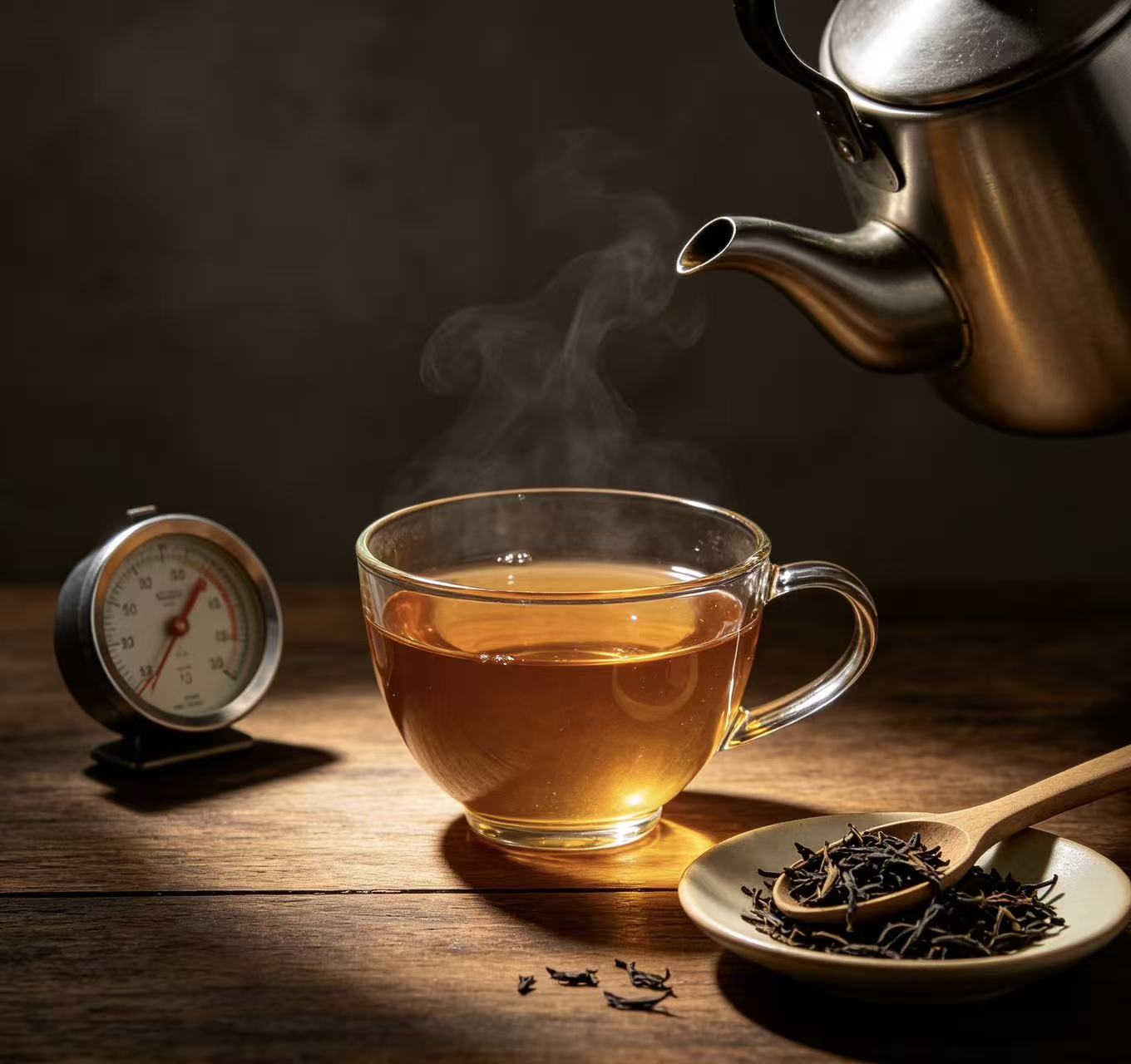
Every material interacts with tea liquor differently. Porcelain keeps the original taste neutral; unglazed clay softens harsh flavours by absorbing subtle compounds; glass shows the beauty of unfurling leaves yet retains heat poorly. Wall thickness and opening size also affect brewing temperature.
You do not need expensive collector‑grade pieces. Even affordable teaware performs far better with correct pairing. Many beginners use one gaiwan for all teas, which makes it hard to enjoy the true flavour of delicate white tea or full‑bodied dark tea.
Pairing Guide For Main Chinese Tea Categories
Green Tea
Delicate green teas such as Longjing cannot stand sustained high heat. Thin‑wall glass or light white porcelain is ideal. Avoid thick‑walled clay pots, which trap heat too long and bring bitter, over‑cooked notes.
White Tea
Young white teas like Silver Needle work best in wide‑mouthed thin porcelain gaiwans for fast heat escape. For aged white tea with deeper honey‑herbal notes, moderately thick Zisha clay pots will round its mellow flavour.
Yellow Tea
Yellow tea sits between green tea freshness and soft lightly‑fermented character. Medium‑thin plain porcelain gaiwans are the balanced choice. Thick‑walled vessels will cover its gentle chestnut‑honey aroma. Glass works well for casual drinking.
Oolong Tea
Light‑fragrance oolong matches small narrow‑mouth Zisha pots or porcelain gaiwans to lock floral aroma during short gongfu infusions. Heavy‑roasted oolong pairs with porous clay, which smooths slight roast harshness and highlights mineral‑nutty notes.
Black Tea
Chinese black tea such as Keemun uses medium‑sized porcelain or clay vessels. White porcelain preserves bright floral‑honey notes for light black tea, while clay softens astringency for full‑bodied roasted black tea.
Dark Tea (Pu‑er)
Young raw pu‑er uses medium‑wall porcelain to control heat and avoid excess bitterness. Aged raw pu‑er and ripe pu‑er perform better in larger porous Zisha pots, unlocking deep earthy sweetness with steady heat.

Common Beginner Pairing Mistakes To Avoid
Do not use one unglazed clay pot for every tea type. Porcelain can serve all teas after proper cleaning, but Zisha absorbs residual flavour. Mixing heavily‑roasted pu‑er and light white tea in the same pot will ruin delicate tastes permanently.
Oversized vessels are another mistake. For gongfu brewing, 100‑150 ml pieces give you precise control over each infusion.
Budget‑Friendly Starter Set Recommendation
You do not need a huge collection at the start. This basic set covers almost all Chinese teas:
One 120‑150 ml plain white porcelain gaiwan (universal for green, yellow, fresh white, light oolong)
One small medium‑porosity Zisha pot for roasted oolong, black tea and aged dark tea
Simple glass cups for casual single‑cup brewing
You can add specialised teaware slowly as you gain more tasting experience.

Final Thought
Tea‑and‑teaware pairing is flexible rather than rigid. These rules give you a reliable starting point. Once you learn how each vessel changes flavour, you can adjust choices according to your own taste. Matching teaware with tea turns simple drinking into a full sensory experience.