Introduction
Most new international tea drinkers first encounter ripe pu‑er, the smooth, earthy fermented dark tea widely sold on global markets. Yet raw pu‑er, or sheng pu‑er, is the original traditional form of Yunnan pu‑er tea, rooted in centuries of local tea‑trading culture across southwest China. Unlike ripe pu‑er which uses artificial pile‑fermentation to speed up maturity, raw pu‑er changes slowly over years of natural storage. Its flavour journey from bright, sharp youth to soft, layered maturity makes it one of the most fascinating teas for long‑term collection and tasting. If you want to understand the full world of pu‑er beyond ripe versions, raw pu‑er is essential to explore.
Origin & Traditional Craft
Raw pu‑er mainly comes from mountain regions of Yunnan province, including Xishuangbanna, Pu’er city and Lincang. Many high‑quality batches are made from large‑leaf ancient tea trees growing at high elevations, where heavy mountain mist, warm climate and mineral‑rich soil build thick, complex leaf material.
Its core production workflow is simpler than ripe pu‑er. Fresh tea leaves are withered, pan‑fried to stop enzyme activity, sun‑dried into raw maocha, then steamed and compressed into cakes, bricks or tuo‑cha shapes. No artificial wet‑pile fermentation takes place at this stage. Once pressed, the tea continues slow natural microbial transformation inside clean storage space. The speed of ageing depends heavily on humidity, temperature and air flow in its storage environment.

Visual Characteristics
Young raw pu‑er dry leaves show deep green and olive tones. After many years of proper ageing, leaves gradually shift to dark brown with faint reddish edges.
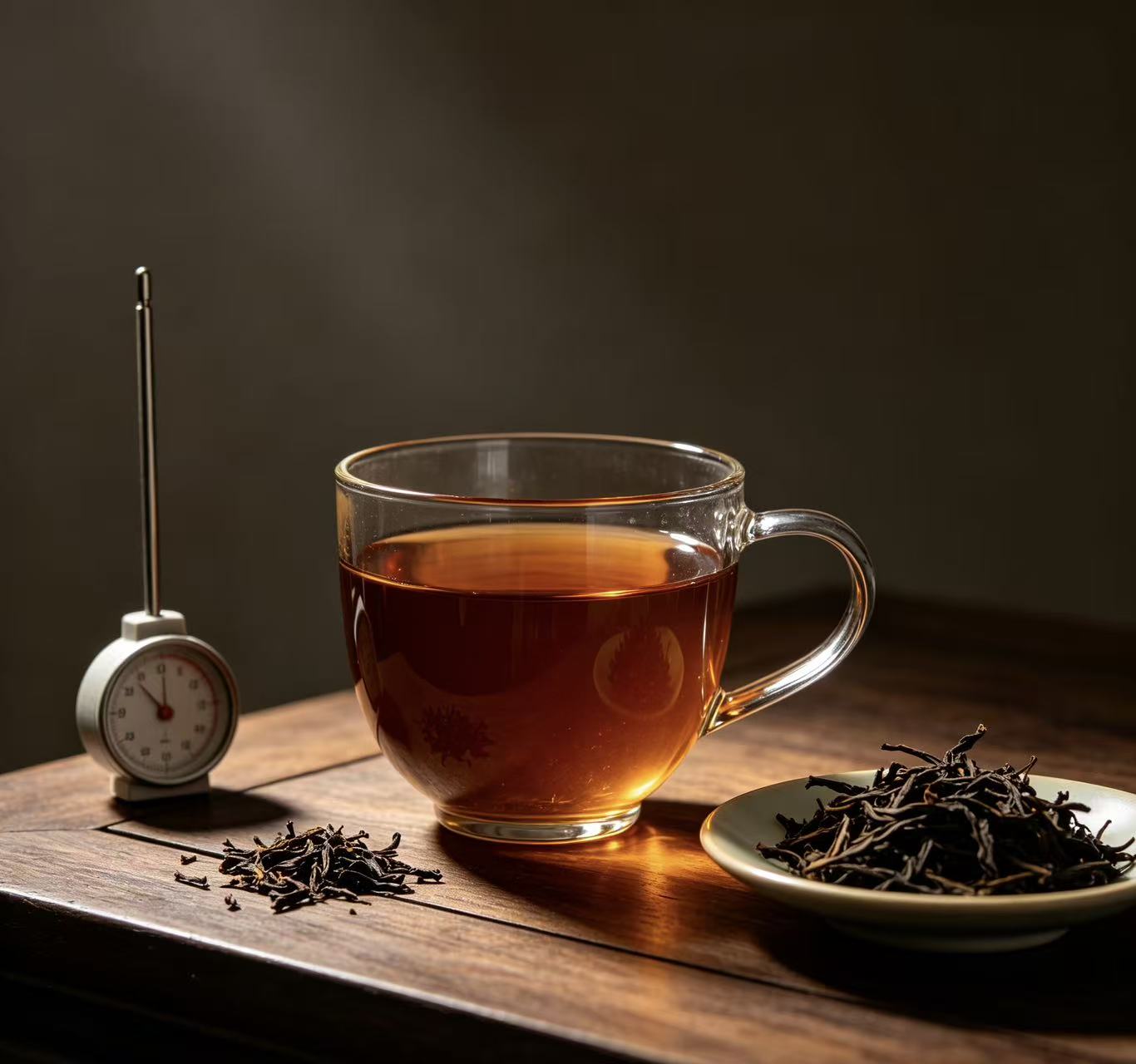
When brewed, young raw pu‑er gives bright golden‑yellow or amber liquor, clear and luminous. Well‑aged raw pu‑er produces deep reddish‑amber liquid. Wet leaves stay thick and flexible in good‑quality batches, a clear sign of well‑preserved tea material.
Aroma & Flavor Experience
Young raw pu‑er (1‑5 years old) carries strong floral, honey and fresh forest notes. Its taste is bright, often with gentle bitterness and noticeable astringency that fades quickly into a powerful returning sweetness known as hui gan. Many first‑time drinkers are surprised by its sharp, energetic character, nothing like the mellow earthiness of ripe pu‑er.
Mid‑aged raw pu‑er (8‑15 years) softens greatly. Rough bitterness disappears, replaced by layered notes of dried fruit, wood and subtle mineral depth. The mouthfeel becomes round and silky. Very old raw pu‑er develops warm, gentle medicinal and earthy sweetness, with almost no harsh edges left.
Compared directly with ripe pu‑er: ripe pu‑er delivers instant smooth, earthy, cocoa‑like sweetness right after production, while raw pu‑er rewards patience — its best flavours unfold slowly over time.

Brewing Guidance
Raw pu‑er tolerates high‑temperature water, but young batches easily turn bitter if over‑steeped. Two practical brewing styles work well for daily use.
Gongfu Gaiwan Brewing (150 ml porcelain gaiwan)
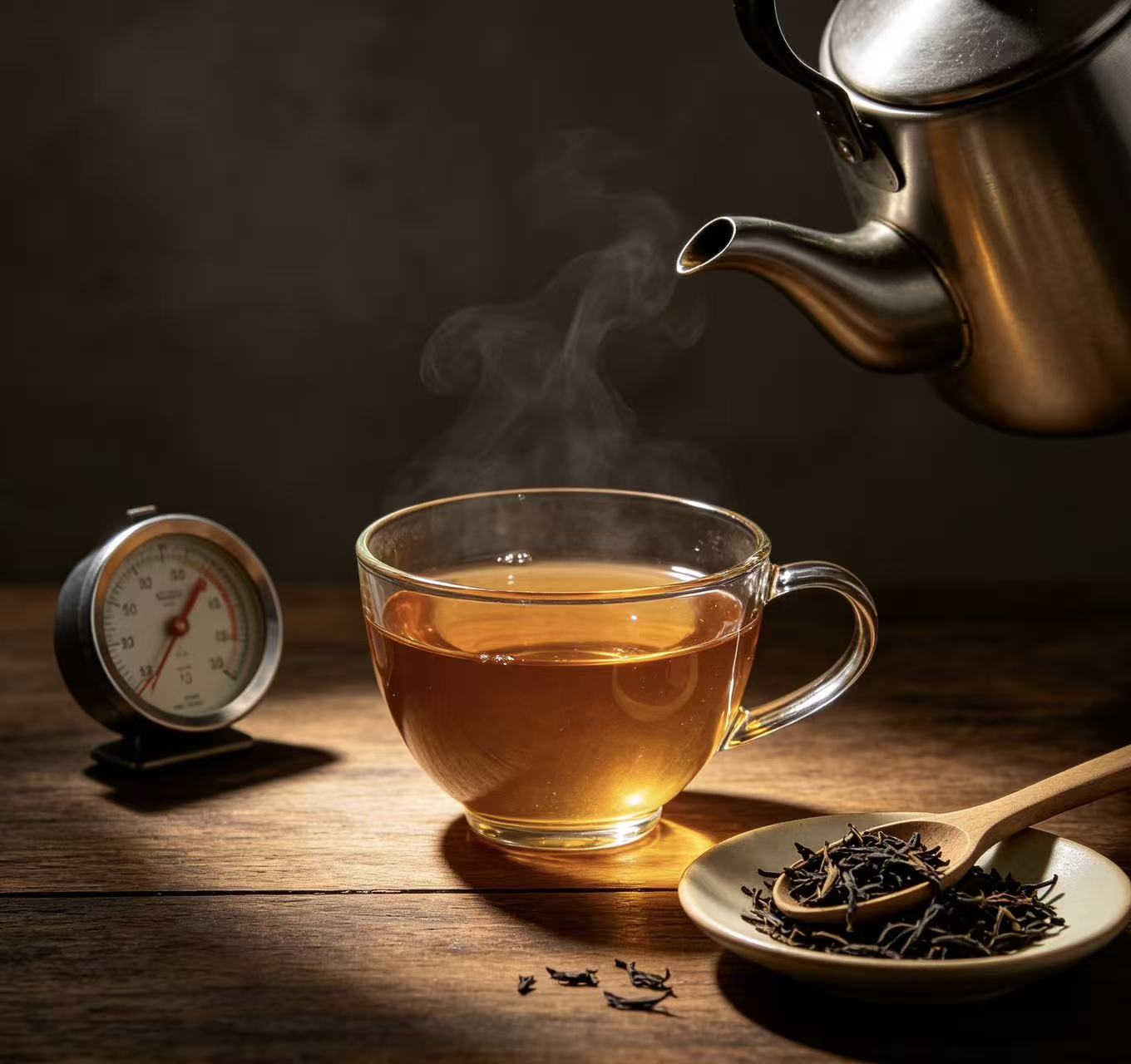
Water temperature: 90‑98°C
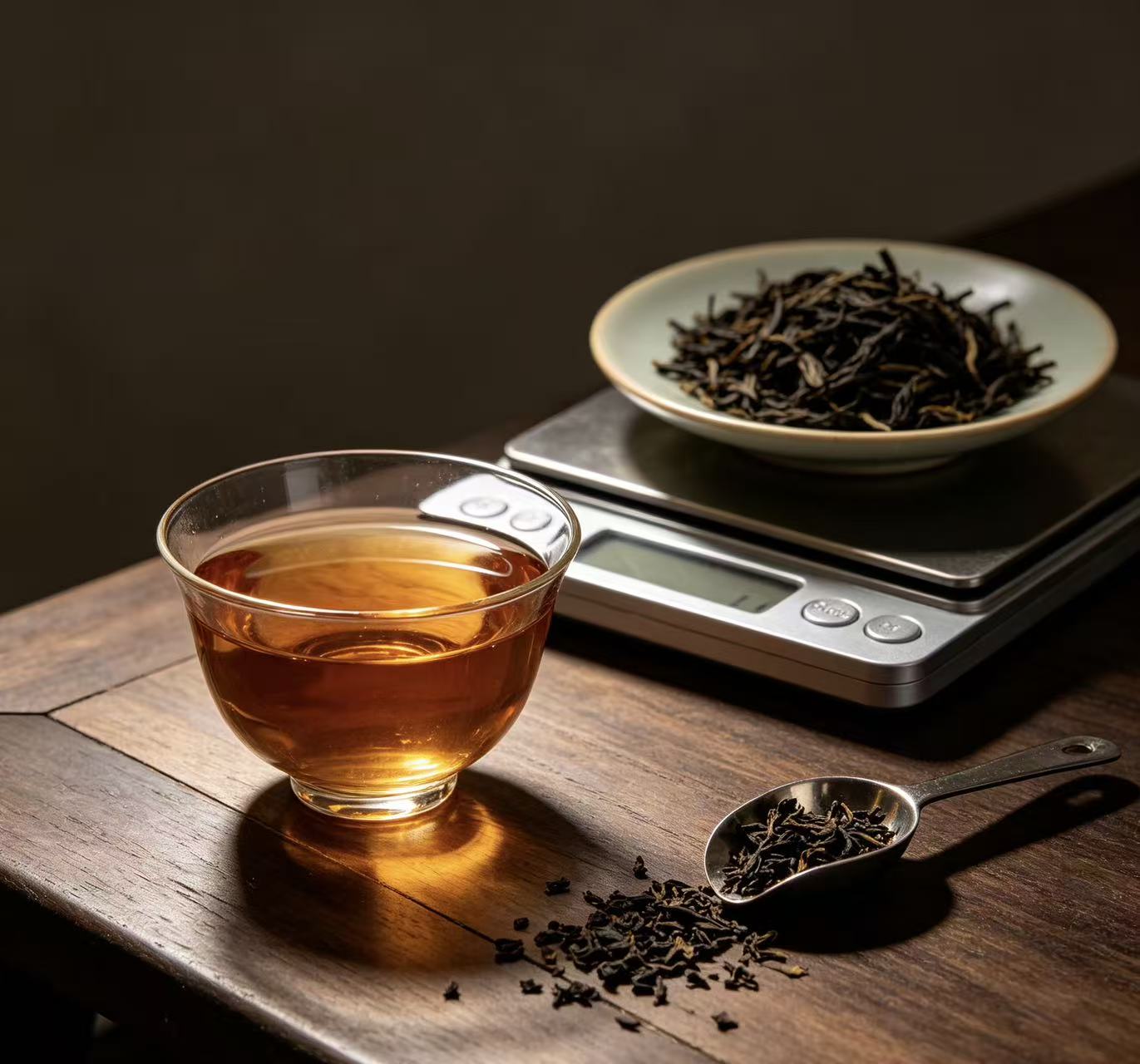
Tea amount: 5 g
For young raw pu‑er: first infusion 25‑30 seconds, add 10‑15 seconds for each next steep
For aged raw pu‑er: first infusion 35‑40 seconds, extend time gradually
Tip: give one quick hot‑water rinse before formal brewing to wake compressed leaves. Top‑grade raw pu‑er can yield 8‑12 satisfying infusions.
Casual Everyday Cup Brewing
2‑3 g tea for 250 ml water
Water temperature: 88‑95°C
Steep for 3‑5 minutes
Porcelain cups work best. Avoid long steeps for young raw pu‑er to prevent unwanted harsh bitterness.

Storage, Buying & Common Misconceptions
Many beginners assume all pu‑er automatically gets better with time. Raw pu‑er only improves when stored in clean, well‑ventilated space with stable moderate humidity. Poor storage brings mouldy, sour or damp flavours that permanently ruin the tea.
When shopping:
Young raw pu‑er should smell clean, floral and grassy, without sour or musty odour. Aged raw pu‑er carries dry wood, dried‑fruit and subtle herbal fragrance. Avoid cheap batches with heavy chemical smells or dull, broken leaves.
For home storage:
Keep raw pu‑er in breathable paper or natural fibre packaging, inside a cool, dry room. Keep it far from strong odours like spices, perfume and smoke. Do not seal it completely inside air‑tight plastic containers for long‑term ageing.
Closing thought
Raw pu‑er is more than just a drink — it is a tea that evolves alongside its keeper. Every year of storage brings subtle new layers to its flavour. For anyone ready to move past basic ripe pu‑er and dive deeper into Yunnan dark‑tea culture, tasting well‑kept raw pu‑er is a memorable experience.