Introduction
Most tea beginners spend hours picking high‑quality leaves and perfecting brew time, yet overlook one simple factor: the water you use. Even premium‑grade Chinese tea will taste flat, bitter or metallic if paired with unsuitable tap water. Water carries minerals, chemicals and impurities that directly interact with tea compounds. This guide avoids rigid step‑by‑step instructions, and focuses on real‑world observations, easy‑to‑follow rules and practical home solutions to improve every cup you make.
What In Water Affects Tea Flavour
Total dissolved solids, known as TDS, are the main driver of flavour change. Hard water full of calcium and magnesium will bind to tea tannins, amplifying astringency and covering delicate floral or honey notes. Water with extremely low mineral content can make tea feel thin and empty, lacking body.
Chlorine from city tap water brings sharp chemical off‑notes that ruin soft yellow‑tea sweetness or fresh green‑tea aroma. Other contaminants like heavy metals or excess alkali will create muddy, dull liquor. It is not about chasing perfectly pure water; balance matters most.

Which Water Types Work Best For Tea
Spring water from low‑mineral mountain sources is traditional favourite for gongfu tasting, with gentle mineral content that lifts tea’s natural layers. Good spring water is clean, free of odour, and carries subtle soft minerals.
High‑quality filtered water is the most practical daily option at home. Activated‑carbon filters remove chlorine and bad odour without stripping all helpful minerals.
Distilled or reverse‑osmosis water works only if you add tiny mineral drops. Used alone, it usually produces flat, lifeless tea.
Ordinary unfiltered tap water is generally not recommended. If you have no other choice, leave tap water open for 30‑60 minutes to let chlorine escape before brewing.
Tea‑Style Matching For Water Hardness
You do not need identical water for every tea category. Adjust your expectations based on what you are steeping.
Delicate teas such as Longjing, Silver Needle and Mengding Yellow Bud perform best with soft, low‑TDS water. Too many minerals will bury their subtle sweetness.
Medium‑fermented oolong and Chinese black tea tolerate slightly harder water well. Moderate mineral content can enhance nutty, fruity depth.
Aged white tea, ripe pu‑er and heavily roasted oolong are the most forgiving. They can handle water with higher mineral levels, though very hard water still creates unwanted heavy bitterness.

Simple Home Tests You Can Try
You do not need professional lab equipment. Run a simple side‑by‑side tasting experiment: brew the exact same tea, same temperature and same timing, once with regular tap water and once with filtered spring water. The flavour gap will be obvious for most people.
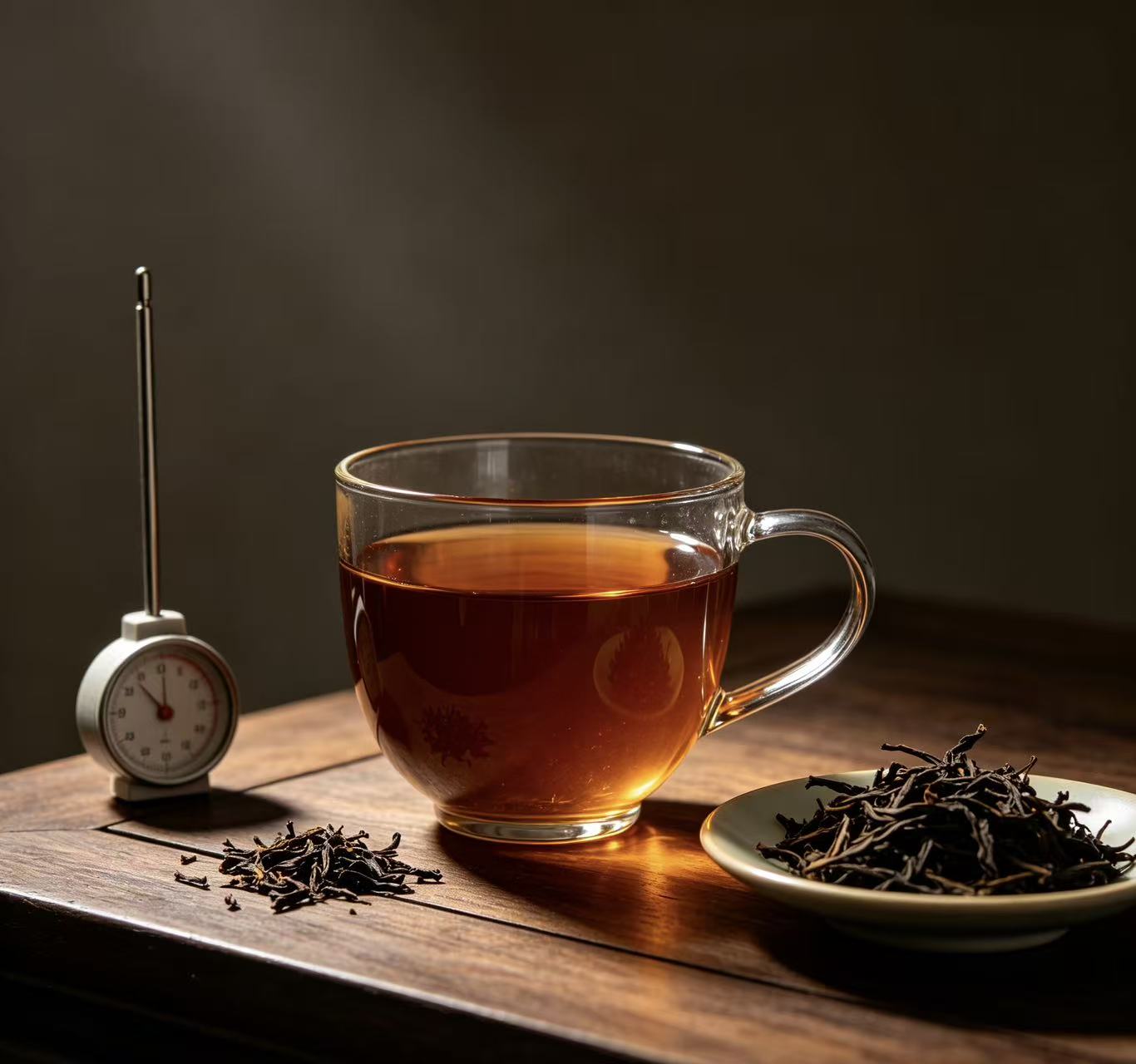
Watch your liquor colour as well. Bad hard water often makes the tea look cloudy, while balanced water produces clear, bright infusion.
Common Misunderstandings
Many people believe “mineral‑rich bottled water is always better for tea”. Some commercial mineral water has far too high TDS, which ruins light spring teas. Always check the mineral label instead of blindly buying expensive brands.
Another myth: boiling water repeatedly improves quality. Re‑boiled water loses dissolved oxygen and tastes stale, so never re‑boil water for your tea.
Quick Practical Daily Tips
Keep a dedicated water kettle, avoid water sitting for days inside the container.
If your local tap water is very hard, use a carbon filter instead of complicated expensive systems for daily drinking.
For formal tasting sessions, prepare low‑mineral spring water specifically for delicate green, white and yellow teas.

Closing thought
Water is the invisible foundation of every good cup of tea. Fine leaves deserve suitable water to fully show their character. Once you start paying attention to your water source, you will notice huge improvements you never experienced before.