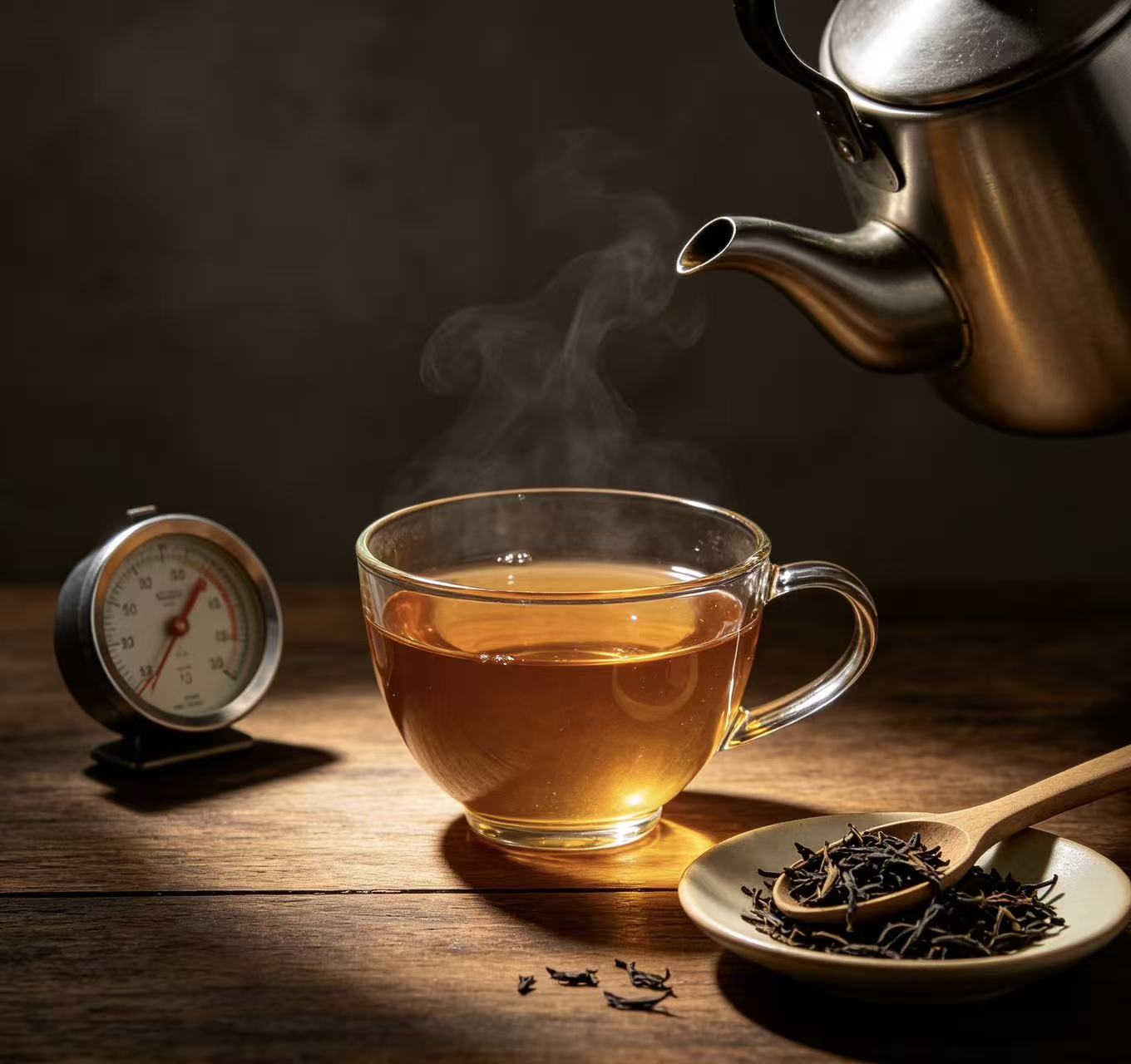
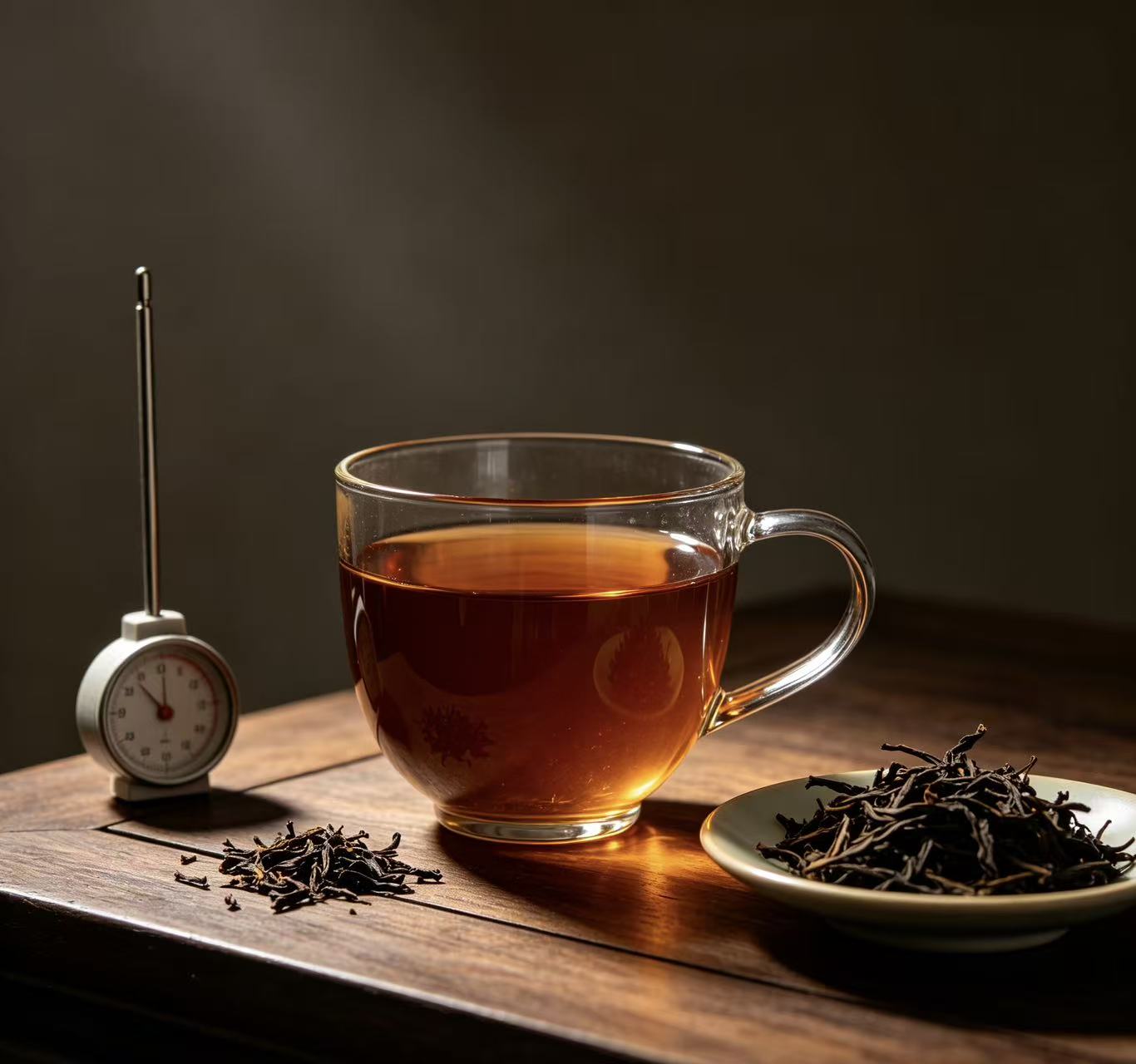
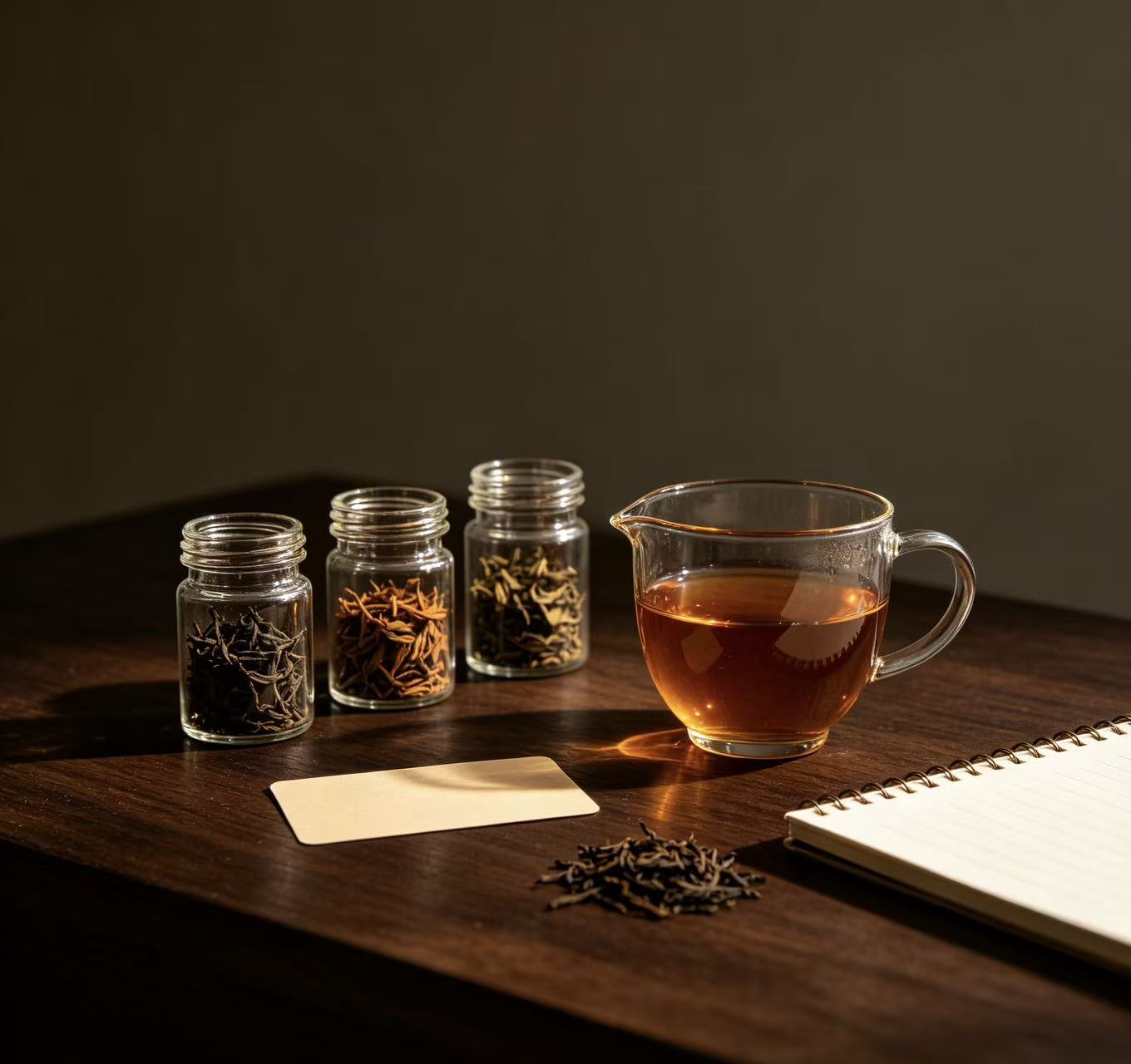
If you’ve ever brewed the exact same tea leaves at home and gotten a flat, off-tasting cup, the problem might not be your brew time or water temperature. Many tea lovers focus only on leaf quality and steeping rules, but overlook how teaware material and water quality interact to shape every sip. The right teaware and water pairing brings out a tea’s natural sweetness, aroma, and complexity, while the wrong combination can make even premium tea taste bitter, dull, or metallic. Learning to match your teaware material to your water type is an easy, underrated way to instantly upgrade every cup you brew. In this guide, we’ll break down ideal pairings for every common teaware material, explain how water minerals interact with different surfaces, and share easy adjustments to fix common issues.
Why Teaware and Water Quality Work Hand in Hand
Water is the base of every cup of tea, making up roughly 98 percent of what you drink. Its mineral content, pH level, and purity directly influence how tea flavors extract and taste. Teaware material controls heat retention, flavor absorption, and texture in the finished cup. It also changes how water interacts with tea leaves during brewing. When paired thoughtfully, the two work together to soften harsh notes, highlight delicate aromas, and create a balanced, smooth mouthfeel. When paired poorly, they can amplify bitterness, add off-flavors, and mute a tea’s best qualities.

Ideal Teaware & Water Pairings by Material
Ceramic & Porcelain Teaware
Ceramic and porcelain have dense, non-porous glazes that do not absorb flavors or minerals.
- Best water match: Soft filtered water, spring water with low mineral content
- Why it works: The smooth, neutral surface lets the water’s natural character and the tea’s flavor shine through without alteration. It preserves clarity and brightness in lighter teas.
- Best for: Green tea, white tea, lightly oxidized oolongs
Unglazed Clay & Yixing Teapots
Unglazed clay has a porous surface that absorbs small amounts of minerals, oils, and flavors over time.
- Best water match: Neutral soft spring water or filtered water with balanced minerals
- Why it works: The pores gently trap excess minerals and harsh compounds, rounding out the brew and creating a thicker, smoother mouthfeel. It builds “seasoning” that enhances richer teas over time.
- Best for: Dark tea, heavily roasted oolongs, black tea
Glass Teaware
Glass is completely non-porous and chemically neutral, adding nothing and taking nothing away from the brew.
- Best water match: Pure filtered water or low-mineral spring water
- Why it works: Glass shows off the true color and clarity of the tea and water combination. It delivers the most accurate, unaltered representation of your water and leaf quality.
- Best for: Green tea, white tea, herbal infusions
Cast Iron Teaware
Cast iron gradually releases small amounts of iron ions into hot water during brewing.
- Best water match: Medium-hard spring water or well-balanced mineral water
- Why it works: The iron reacts with water minerals to soften harsh edges and add a subtle sweet, rounded quality to the tea. It also retains heat exceptionally well for full extraction.
- Best for: Black tea, dark tea, robust oolongs
How to Adjust Your Brew for Different Pairings
Not every pairing is perfect, but you can adjust your technique to compensate for water and teaware combinations.
- Hard water + porous clay teaware: Shorten brew time by 30 to 60 seconds. The clay and minerals together will speed up extraction and can quickly lead to bitterness.
- Soft water + dense ceramic teaware: Add 30 seconds of brew time or use slightly more tea leaves. Soft water extracts more slowly and will benefit from extra contact time.
- High-chlorine tap water: Always use a filter, and avoid unglazed clay. Chlorine will absorb into the pores and permanently ruin the teapot’s flavor.

Common Pairing Mistakes to Avoid
Small oversights can undermine even good tea and good teaware. Watch out for these frequent errors.
- Using the same water for every teaware type: What works for glass may not work for clay. Matching water to material makes a noticeable difference.
- Brewing delicate green tea in cast iron with hard water: This combination amplifies astringency and metallic notes, masking the tea’s fresh, grassy character.
- Ignoring water quality in a seasoned clay pot: Poor water will clog pores and build up off-flavors faster, ruining the pot’s seasoning over time.

Frequently Asked Questions
Does teaware material affect how water tastes?
Yes. Porous materials like clay soften water by trapping minerals, while dense materials like glass and ceramic leave water taste completely unchanged. Cast iron can add a subtle sweet undertone.
What is the best water for ceramic teacups?
Soft filtered water or low-mineral spring water works best. It keeps the glaze clean and delivers the cleanest, most accurate tea flavor.
Is tap water bad for clay teapots?
Untreated tap water is not ideal for unglazed clay teapots. Chlorine, fluoride, and excess minerals will absorb into the pores and negatively affect flavor over time. Filtered water is a much better choice.
Can hard water damage teaware?
Hard water will not damage most teaware immediately, but it can leave mineral stains on glass and ceramic, and clog pores in unglazed clay over long-term use.
Final Thoughts
Water and teaware are far more than just tools for making tea — they are active ingredients that shape the final taste of every cup. Understanding how teaware material and water quality work together lets you get the most out of your leaves and brew consistently better tea. Start with the pairings above, and adjust based on the water you have available and the teas you drink most.
For more guidance on picking the right vessel for your favorite teas, explore our full guide on how to choose the right teaware for different tea types. To learn more about how water changes your brew, read our breakdown of why your water choice changes everything in your cup.