If you’ve spent any time exploring pu-erh tea, you’ve likely heard the name Lao Ban Zhang — often called the “King of Sheng Pu-erh” and one of the most famous and sought-after dark teas in the world. Grown in the remote Bulang Mountains of Menghai, Yunnan, this iconic single-village tea is prized for its bold flavor, explosive returning sweetness, and legendary “cha qi” (tea energy) that sets it apart from ordinary raw pu-erh. While it shares the same basic processing as other sheng pu-erhs, its unique high-elevation terroir and ancient tea trees create a taste profile unlike anything else in the dark tea category. This guide breaks down what makes Lao Ban Zhang special, how its flavor evolves with age, and how to brew it properly to experience its full character.
What Is Lao Ban Zhang Pu-erh?
Lao Ban Zhang is a premium sheng (raw) pu-erh produced exclusively in Lao Ban Zhang village, a small settlement deep in the forests of Xishuangbanna. The region’s old-growth tea trees, many hundreds of years old, grow in nutrient-rich, untamed mountain soil with minimal human intervention.
It is not a separate category of pu-erh — it falls firmly under raw dark tea — but its reputation and price place it in a tier of its own. Most authentic Lao Ban Zhang is sold as pressed 357g tea cakes, made from single-village material with no blending from lower-elevation regions.

Why Lao Ban Zhang Earned the Title “King of Pu-erh”
Four core qualities set it apart from mass-market sheng pu-erh:
- Instantly layered flavor: It delivers a bold, clean initial bitterness that melts almost immediately into thick, lasting honeyed sweetness.
- Explosive hui gan: The returning sweetness builds quickly in the throat and lingers for minutes after each sip, a signature of high-quality ancient tree pu-erh.
- Strong cha qi: Many drinkers report a noticeable warming, energizing feeling from well-made Lao Ban Zhang, unlike milder lowland pu-erhs.
- Exceptional aging potential: Its dense polyphenol structure evolves dramatically over 10–20 years, softening into smooth, mellow depth while retaining its signature sweetness.
Flavor Profile: New vs. Aged Lao Ban Zhang
New Lao Ban Zhang (0–3 years) Bright, intense, and aromatic, with notes of wild honey, orchid, and fresh forest greenery. It carries a pronounced but clean bitterness that transforms quickly into pronounced throat sweetness. The mouthfeel is thick and coating, with a long, fragrant finish.
Aged Lao Ban Zhang (5+ years) As it ages, sharp green notes fade and give way to dried longan, camphor, woody spice, and deep brown sugar sweetness. Bitterness softens almost entirely, leaving a smooth, rounded mouthfeel and an even more lingering sweetness. Well-aged 10+ year Lao Ban Zhang develops a rich, mature complexity considered the peak of sheng pu-erh.

How to Brew Lao Ban Zhang Sheng Pu-erh
Gongfu Brewing (Recommended for full flavor)
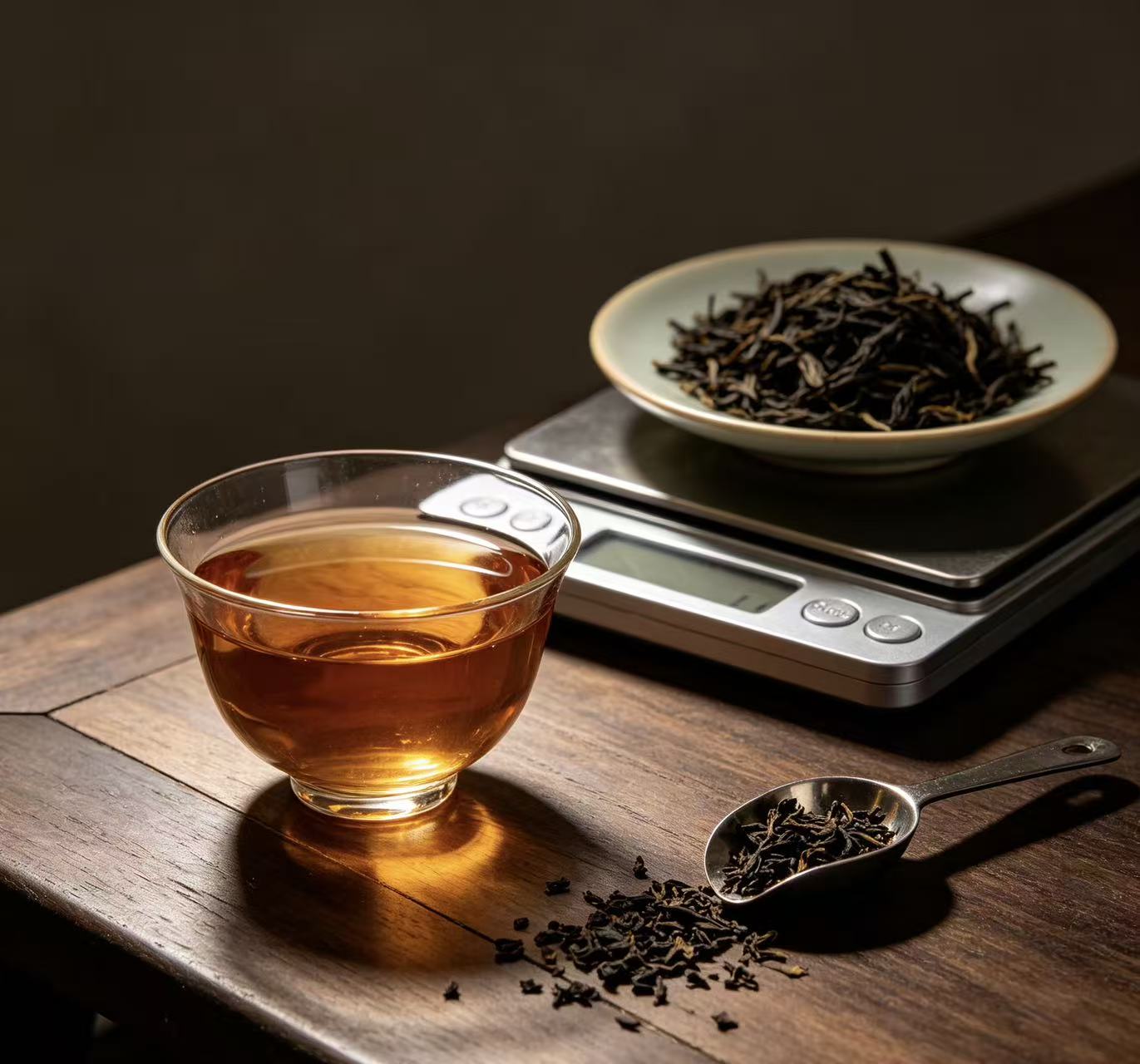
- Leaf amount: 5–6g per 100ml water
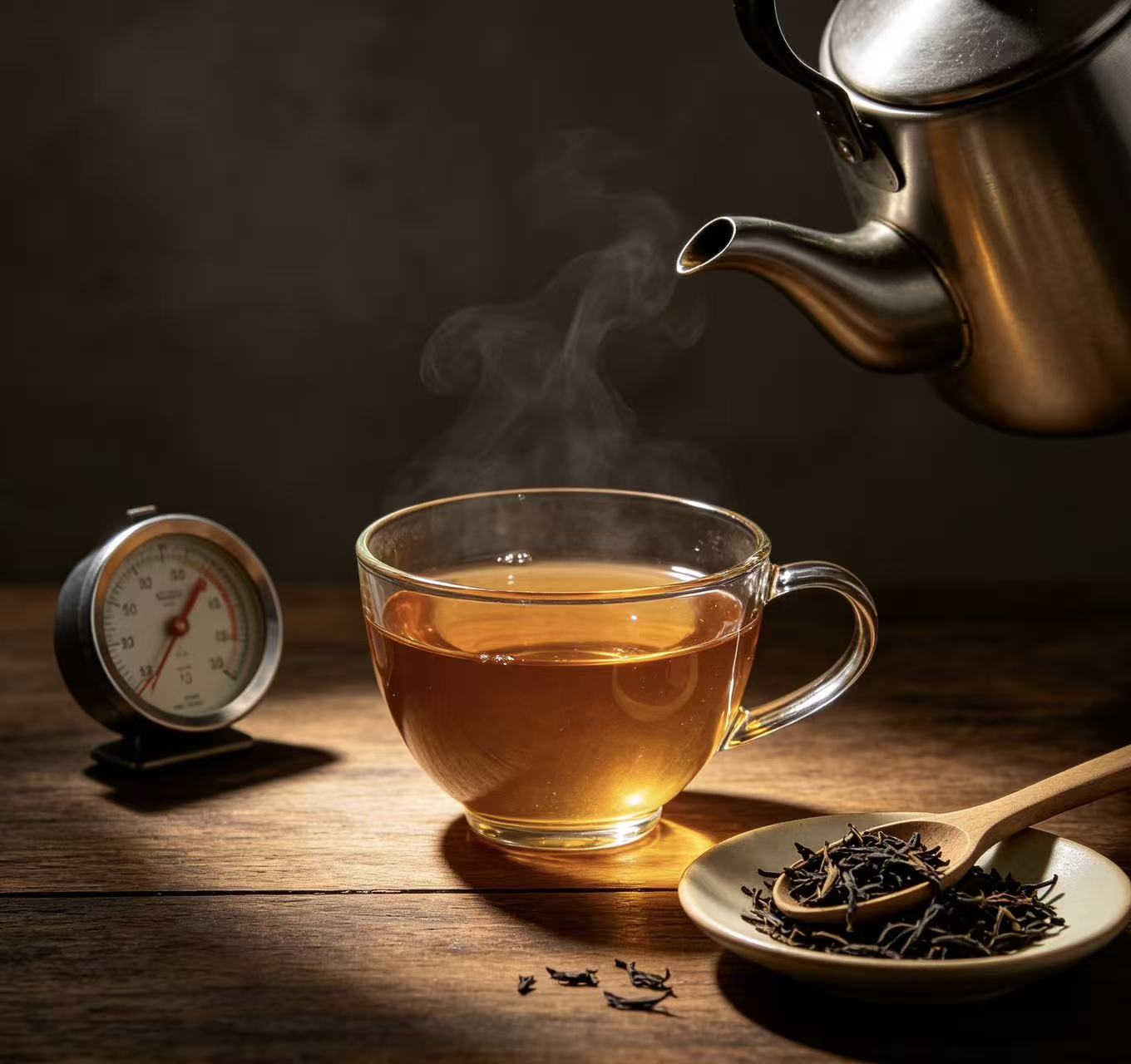
- Water temperature: 95–100°C (203–212°F)
- First steep: 5–8 seconds (rinse, discard)
- Initial infusions: 8–12 seconds, adding 5–10 seconds per subsequent steep
- Total infusions: 12–18+ for high-quality ancient tree material
Western Mug Style
- Leaf amount: 2.5–3g per 240ml (8oz) water
- Water temperature: 95°C (203°F)
- Steep time: 3–4 minutes
- Note: Avoid over-steeping, as excess bitterness will mask its signature returning sweetness.

How to Spot Fake Lao Ban Zhang
Given its high price and reputation, fake Lao Ban Zhang is extremely common. Watch for these red flags:
- Unusually low prices: Authentic single-village Lao Ban Zhang is never cheap. Prices far below market rate almost always mean blended tea from nearby regions.
- “Ripe Lao Ban Zhang”: Traditional Lao Ban Zhang is only produced as sheng pu-erh. Most ripe versions are made from cheaper base material.
- Vague origin labeling: Trusted sellers will specify village, tree age, and production year. Labels reading “Lao Ban Zhang style” are not authentic.
- Harsh, lingering bitterness: Real Lao Ban Zhang bitterness fades quickly into sweetness. Bitter tea that stays bitter is almost certainly fake.
Frequently Asked Questions
Is Lao Ban Zhang sheng or shu pu-erh?
Authentic Lao Ban Zhang is almost exclusively sheng (raw) pu-erh. The village’s terroir is most celebrated for raw tea aging potential, and very little genuine ripe Lao Ban Zhang exists.
Why is Lao Ban Zhang so expensive?
Its high price comes from extremely limited supply, centuries-old tea trees, legendary reputation, and consistent exceptional quality. Global demand far outpaces the small annual production from the village.
How long should you age Lao Ban Zhang?
It can be enjoyed young for bold, bright flavor, or aged 5–15 years for smoother, deeper character. Many collectors age premium cakes for 20+ years.
Final Thoughts
Lao Ban Zhang earned its reputation as the King of Sheng Pu-erh through decades of consistent, unmatched character and a terroir that cannot be replicated. Whether you drink it young for its explosive sweetness or age it for deep, mature complexity, it represents the peak of what raw dark tea can be. For anyone moving beyond entry-level pu-erh and exploring single-region teas, it is an essential — and unforgettable — experience.
If you’re new to dark tea, start with our beginner’s guide to raw pu-erh tea to understand the basics. For more on aging and storage, read our full guide to storing and aging pu-erh properly.