Most people exploring yellow tea first discover Jun Shan Yin Zhen’s striking visual presentation or Mengding Yellow Bud’s deep, mellow richness — and sleep on the tea that served Chinese emperors longer than almost any other: Huoshan Yellow Bud. Grown in the cloud-wreathed Dabie Mountains of Anhui, this iconic single-bud yellow tea is defined by its delicate, low-temperature menhuan yellowing process, a lighter touch than most other yellow teas. The result is a tea that retains the bright freshness of early spring green tea while gaining the smooth, honeyed sweetness that sets yellow tea apart. This guide breaks down its one-of-a-kind craft, nuanced flavor profile, versatile brewing methods, and how to pick genuine high-grade leaves.
What Sets Huoshan Yellow Bud Apart From Other Yellow Teas
All yellow teas go through menhuan — the controlled damp-heat yellowing step that defines the category — but not all yellowing is the same. Mengding Yellow Bud uses a longer, warmer yellowing process that creates deep, earthy sweetness, while Jun Shan Yin Zhen prioritizes bud shape and visual appeal over fermented depth. Huoshan Yellow Bud falls somewhere in between, with a short, mild yellowing at lower temperatures. It softens the astringency and grassy edge of fresh green leaves, but stops short of heavy fermented notes. This lighter craft is why it’s often mistaken for green tea — and why it’s one of the most approachable yellow teas for new drinkers.
Flavor Profile: Bright Chestnut Sweetness In Every Cup
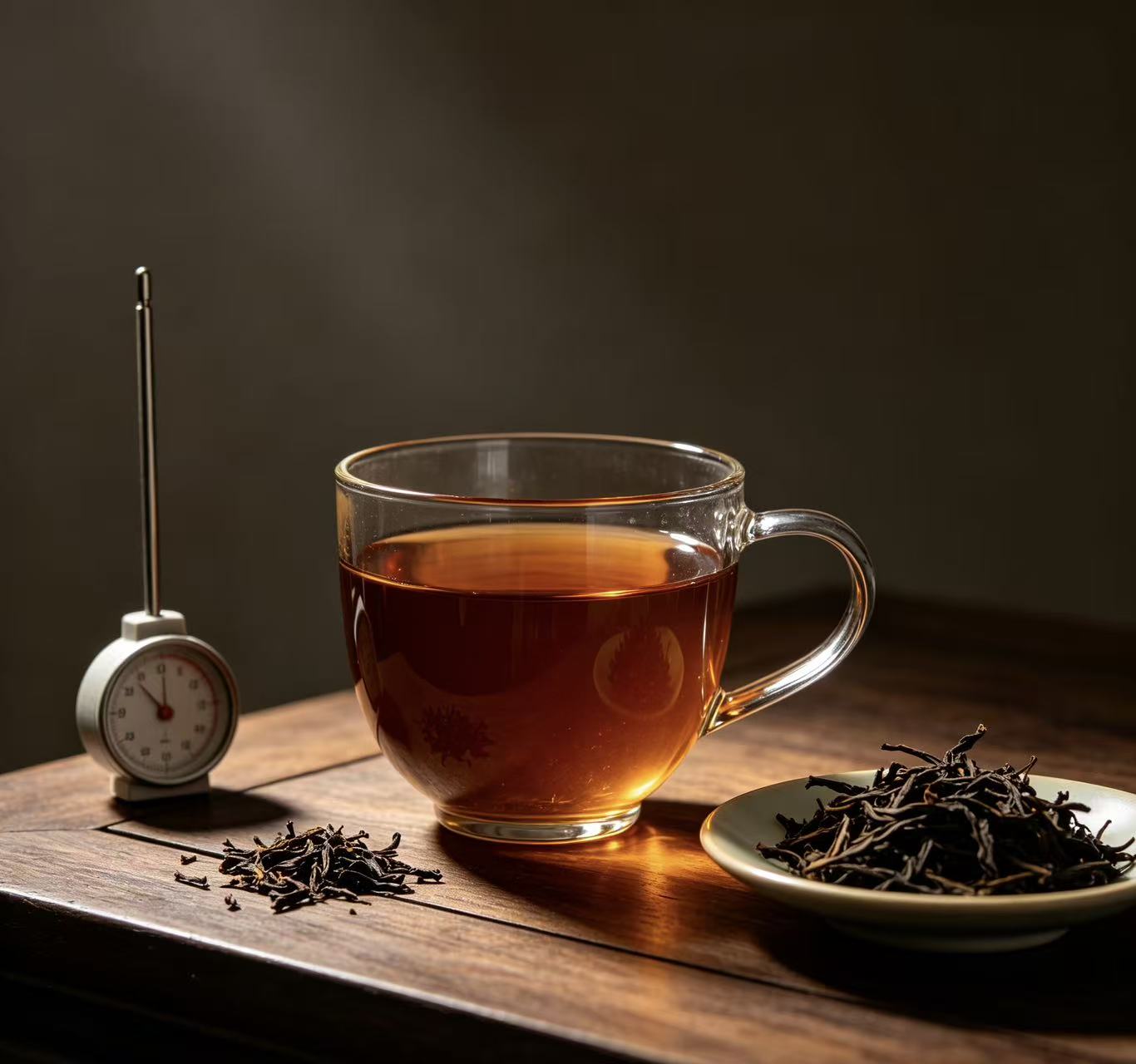
Dry leaves are uniform, straight single buds in a soft yellow-green hue, with a warm, toasty chestnut aroma. When brewed, the liquor is a pale, clear apricot yellow with no cloudiness. The first sip opens with fresh spring vegetable sweetness, followed by a smooth, nutty chestnut finish that lingers in the throat. Unlike heavier yellow teas, there’s no earthy or musty undertone — just clean, rounded sweetness and a light, refreshing mouthfeel. Higher-grade ancient tree leaves carry an added orchid floral note and a longer, more pronounced returning sweetness.

3 Ways to Brew Huoshan Yellow Bud

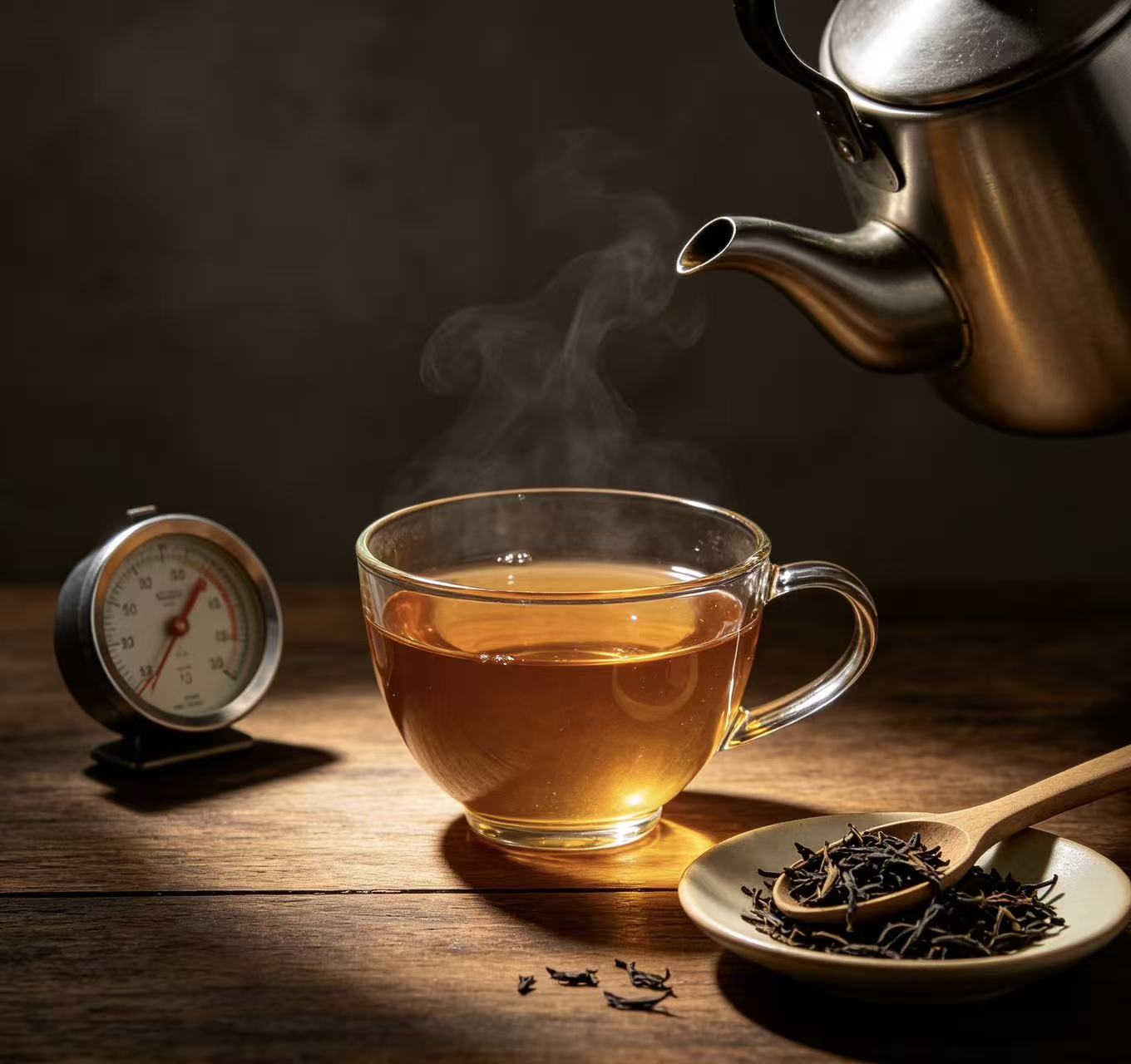
1. Glass Cup Brewing (For Visual Appreciation)
The classic way to enjoy its delicate bud shape and light flavor.
- Leaf amount: 3g per 200ml water
- Water temperature: 75–80°C (167–176°F)
- Steep time: 60 seconds for first infusion, add 20 seconds for refills
- Best for: casual daily drinking and admiring the upright buds
2. Gaiwan Brewing (For Concentrated Flavor)
For unlocking layered aroma and sweetness across multiple steeps.
- Leaf amount: 4g per 100ml water
- Water temperature: 80–85°C (176–185°F)
- First steep: 5-second rinse (discard), then 15–20 seconds per infusion
- Best for: tasting the full nuance of high-grade buds
3. Cold Brew (For Smooth, Sweet Summer Drinking)
A low-bitterness method that brings out its natural honey sweetness.
- Leaf amount: 3g per 250ml cold water
- Steep time: 4–6 hours in the refrigerator
- Best for: iced tea, warm weather, and sensitive stomachs

How to Spot Authentic Huoshan Yellow Bud (And Avoid Fakes)
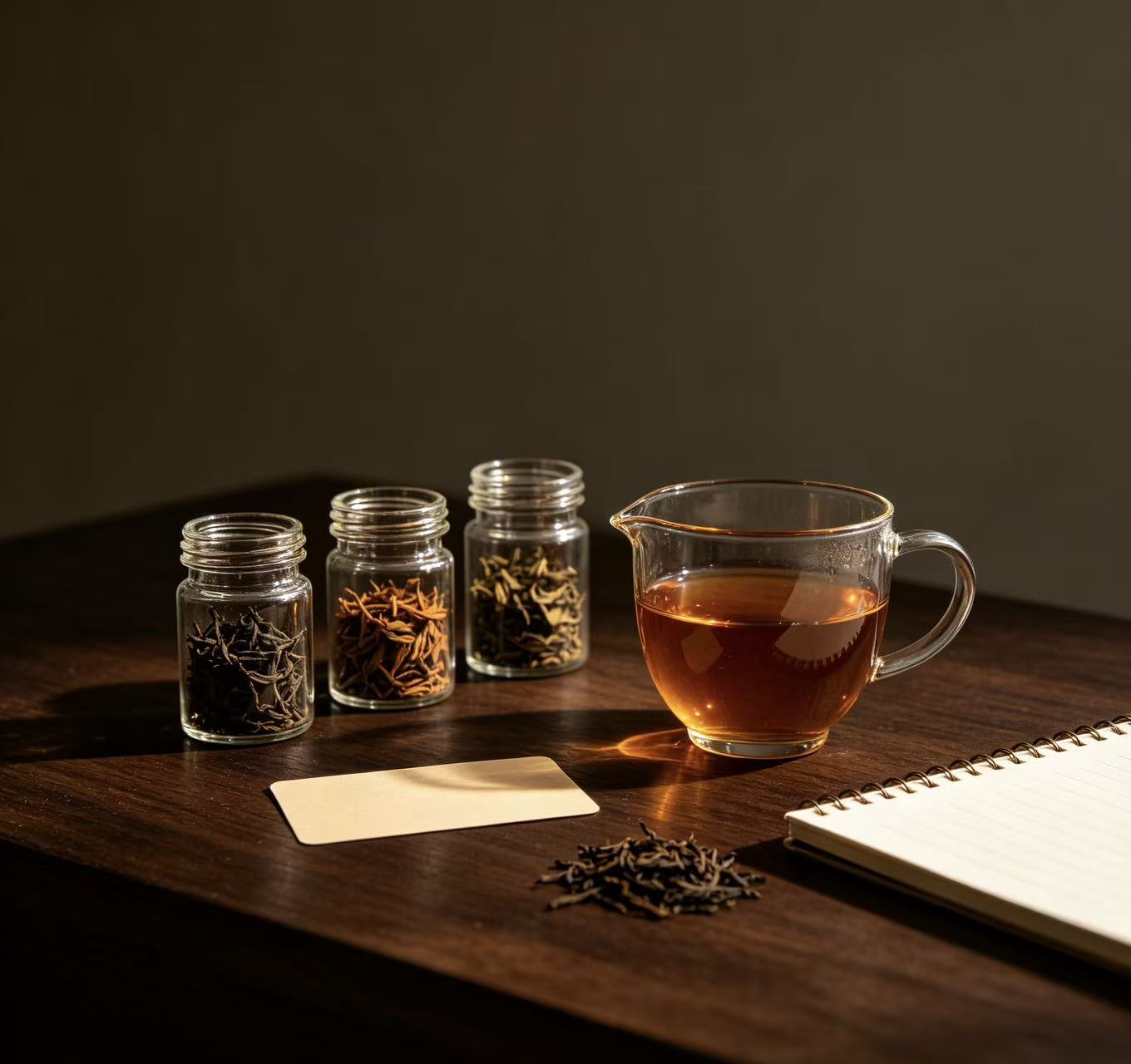
Because of its reputation and limited production, Huoshan Yellow Bud is often imitated. Watch for these four red flags:
- Bright grass-green color: Authentic leaves are yellow-green, not vivid green. Pure green leaves mean the tea skipped the yellowing step and is just green tea.
- Dark brown or burnt color: Overly dark leaves mean the yellowing process was rushed or done at too high a heat, resulting in flat, bitter flavor.
- Grassy or raw green aroma: Real Huoshan Yellow Bud has a distinct cooked chestnut scent. A strong grassy smell means it’s under-processed.
- Extremely low prices: Genuine early-spring single buds from core production areas are limited and never cheap. Budget options are usually summer leaves or tea from neighboring regions.
Frequently Asked Questions
Is Huoshan Yellow Bud technically a green tea?
No. It is a true yellow tea. Its light yellowing process is easy to miss, but it differentiates it from green tea by removing astringency and adding signature mellow sweetness.
Does Huoshan Yellow Tea get better with age?
No. Unlike dark teas like pu-erh, Huoshan Yellow Bud is best enjoyed fresh. It peaks within 12 months and gradually loses its bright sweetness after that.
Is it low in caffeine?
It contains roughly the same caffeine as other bud teas, but its smooth profile and lower astringency make it feel gentler on the stomach than strong green tea.
Final Thoughts
Huoshan Yellow Bud occupies a unique space in the yellow tea category, balancing imperial history, delicate craft, and approachable everyday flavor. Its light yellowing process creates a tea that’s smoother than green tea and brighter than heavier yellow varieties, making it perfect for both new tea drinkers and seasoned collectors. Whether brewed hot in a glass or cold-brewed for summer, it delivers a quiet, refined sweetness that lives up to its thousand-year reputation.
To explore more classic Chinese yellow teas and compare regional styles, browse our full yellow tea collection.