If you drink tea daily, you’ve probably wondered: is tea actually good for you, or is it just a comforting habit? The short answer is yes — for most people, regularly drinking high-quality tea is one of the simplest ways to support long-term health. But not all tea is equal, and how you brew and drink it matters. This guide breaks down the science-backed benefits, key differences between tea types, and important considerations to make tea work for you.
Core Health Benefits of Tea
All true teas (green, oolong, black, white, pu-erh) come from the Camellia sinensis plant. They share powerful plant compounds that drive most of their health effects.
Rich in antioxidants
Tea is loaded with polyphenols — natural antioxidants that fight cell damage from free radicals. The most studied is EGCG in green tea, linked to reduced inflammation and lower risk of chronic disease. Regular tea intake supports overall cellular health and may slow signs of aging.
Supports heart health
Multiple large studies link regular tea drinking to better cardiovascular health. Compounds in tea help relax blood vessels, support healthy blood pressure, and improve cholesterol profiles. Drinking 2–3 cups a day is consistently associated with a lower risk of heart disease and stroke.
Boosts calm, focused energy
Unlike coffee’s sharp energy spike and crash, tea delivers caffeine paired with L-theanine — an amino acid that slows caffeine absorption. This creates 3–6 hours of steady, focused alertness without jitters or anxiety. It’s why tea is a popular choice for work, study, and slow-paced days.
Supports immune function
Polyphenols and natural anti-inflammatory compounds in tea support a healthy immune response. Certain tea compounds have been shown to inhibit the growth of harmful bacteria and viruses, while supporting a healthy gut microbiome — where most of the immune system lives.
Aids healthy metabolism
Tea, especially oolong and green tea, may slightly boost metabolic rate and support healthy fat oxidation. While it’s not a weight loss miracle, regular consumption paired with a balanced diet can support healthy weight management over time.

Benefits by Tea Type
All true tea is healthy, but oxidation level and processing create unique strengths:
| Tea Type | Key Health Strength |
| Green Tea | Highest EGCG; strongest antioxidant and anti-inflammatory effects |
| White Tea | Gentle, low caffeine; supports skin health and gentle immune support |
| Oolong Tea | Balanced; supports metabolism, digestion, and steady energy |
| Black Tea | Highest caffeine; supports heart health and sustained alertness |
| Ripe Pu-erh | Fermented; supports gut health and digestion |
Potential Downsides & Considerations
Tea is very safe for most people, but it’s not risk-free for everyone.
Caffeine sensitivity
While tea has less caffeine than coffee, sensitive people may experience sleep disruption, anxiety, or heart palpitations if they drink too much or too late in the day. Stick to 1–2 cups before midday if you’re sensitive, and choose lighter, lower-caffeine styles like white tea.
Tannins and iron absorption
Tannins in tea can bind to non-heme iron (plant-based iron) and reduce absorption. If you have low iron levels, avoid drinking tea with meals or iron supplements.
Very hot tea risk
Drinking tea at boiling temperatures regularly may irritate the throat and esophagus over time. Let it cool slightly before drinking for long-term comfort and safety.
Pesticide residue
Low-quality tea bags and cheap bulk tea can contain higher levels of pesticide residue. Choose loose-leaf tea from trusted sources for the cleanest, healthiest cup.
How to Drink Tea for Maximum Benefit
To get the most health benefits from your daily cup, stick to a few simple practices. Aim for 2–4 cups per day, the range consistently linked to the strongest positive effects for most people. Drink it plain or with minimal additions — sugar, syrups, and large amounts of milk dilute beneficial compounds and add empty calories, while a small amount of honey or lemon works well for flavor.
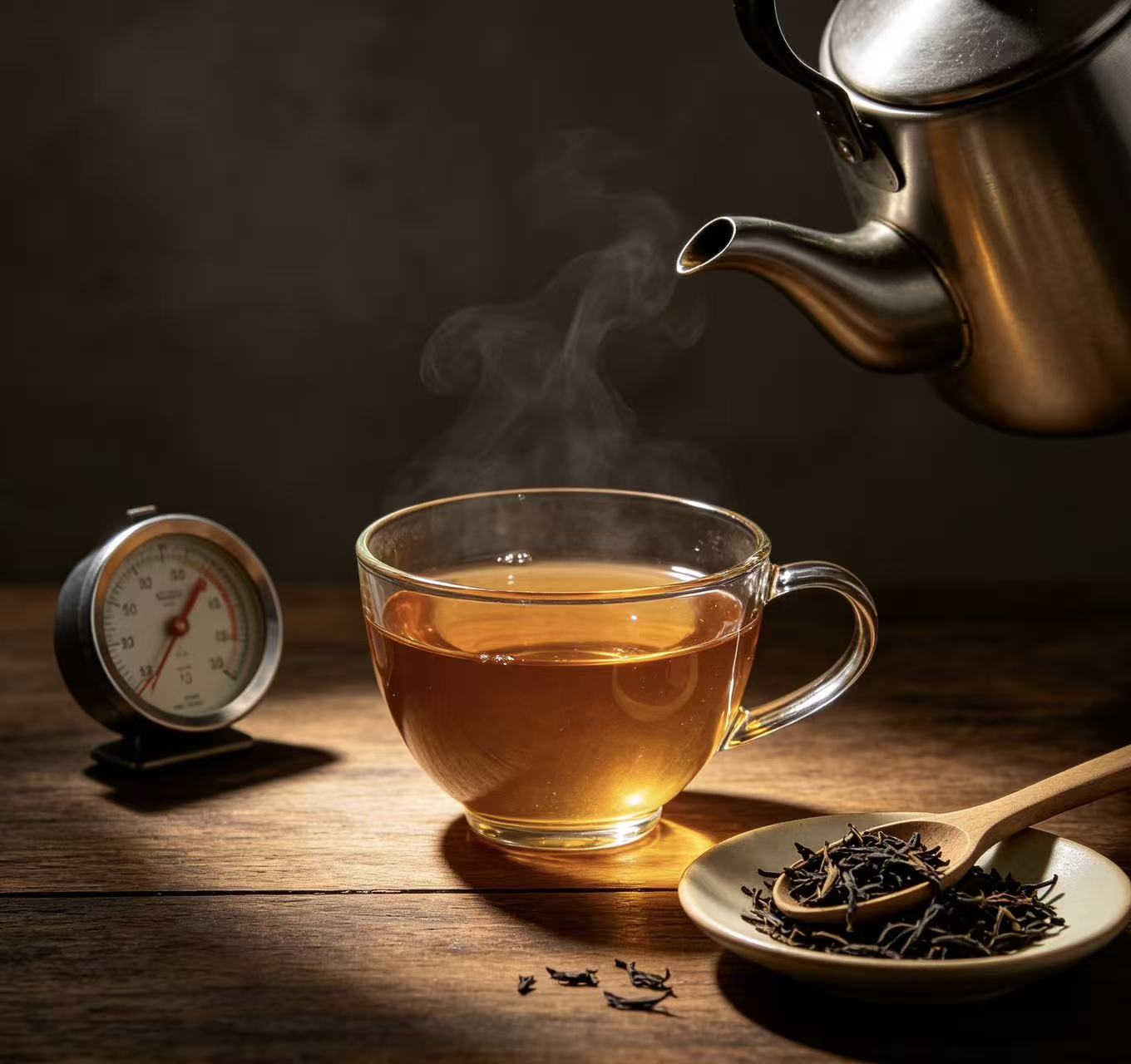
Brew at the right temperature for your tea type. Boiling water burns delicate leaves and destroys fragile antioxidants, so matching water heat to your tea style preserves both flavor and benefits. Stop drinking caffeinated tea by 2–4 PM to avoid disrupting sleep quality, and opt for loose-leaf tea over tea bags whenever possible. Whole leaves retain more active compounds and flavor, and avoid the microplastics present in many commercial tea bags.

Final Thoughts
For most people, tea is an incredibly healthy daily habit — rich in antioxidants, gentle on the body, and supportive of both physical and mental well-being. It’s not a magic cure-all, but when brewed properly and consumed in moderation, it’s one of the simplest and most enjoyable ways to support long-term health.
The best tea for you is the one you enjoy drinking regularly. Start with 1–2 cups a day, experiment with different styles, and notice how your body feels.
For more tea guides and health facts, explore our full Tea Knowledge section.