Green tea is the most delicate of all major tea types — and the easiest to brew wrong. Too-hot water or just 30 extra seconds of steeping can turn bright, sweet leaves harsh, grassy, and bitter. The good news is a great cup only requires a few small, precise adjustments to your brewing routine. This guide breaks down universal principles, tea-specific parameters, and easy fixes so you can brew smooth, vibrant green tea consistently.
What You’ll Need
Great green tea doesn’t require fancy gear — just the right basics:
Loose-leaf green tea: Whole intact leaves deliver far more sweetness, umami, and complexity than broken tea bags.
Filtered or spring water: Water makes up 99% of your cup; chlorinated tap water will dull the tea’s natural aroma.
A glass, gaiwan, or small teapot: Glass is ideal for beginners — it lets you watch leaves unfurl and monitor brew color.
A temperature-controlled kettle: Highly recommended for consistent, repeatable results.
A tea scale or dedicated measuring spoon
Step-by-Step Brewing Guide
Follow these universal steps for almost any green tea:
Preheat your vessel
Rinse your cup or teapot with warm water to bring it up to temperature. This stops the brewing water from cooling too quickly on contact.
Measure your tea leaves
Use 2–3 grams of loose tea per 200ml (6.8oz) of water. For delicate bud-only teas, use slightly more leaf; for standard leafy greens, stick to 2g for a balanced cup.
Heat water to the correct temperature
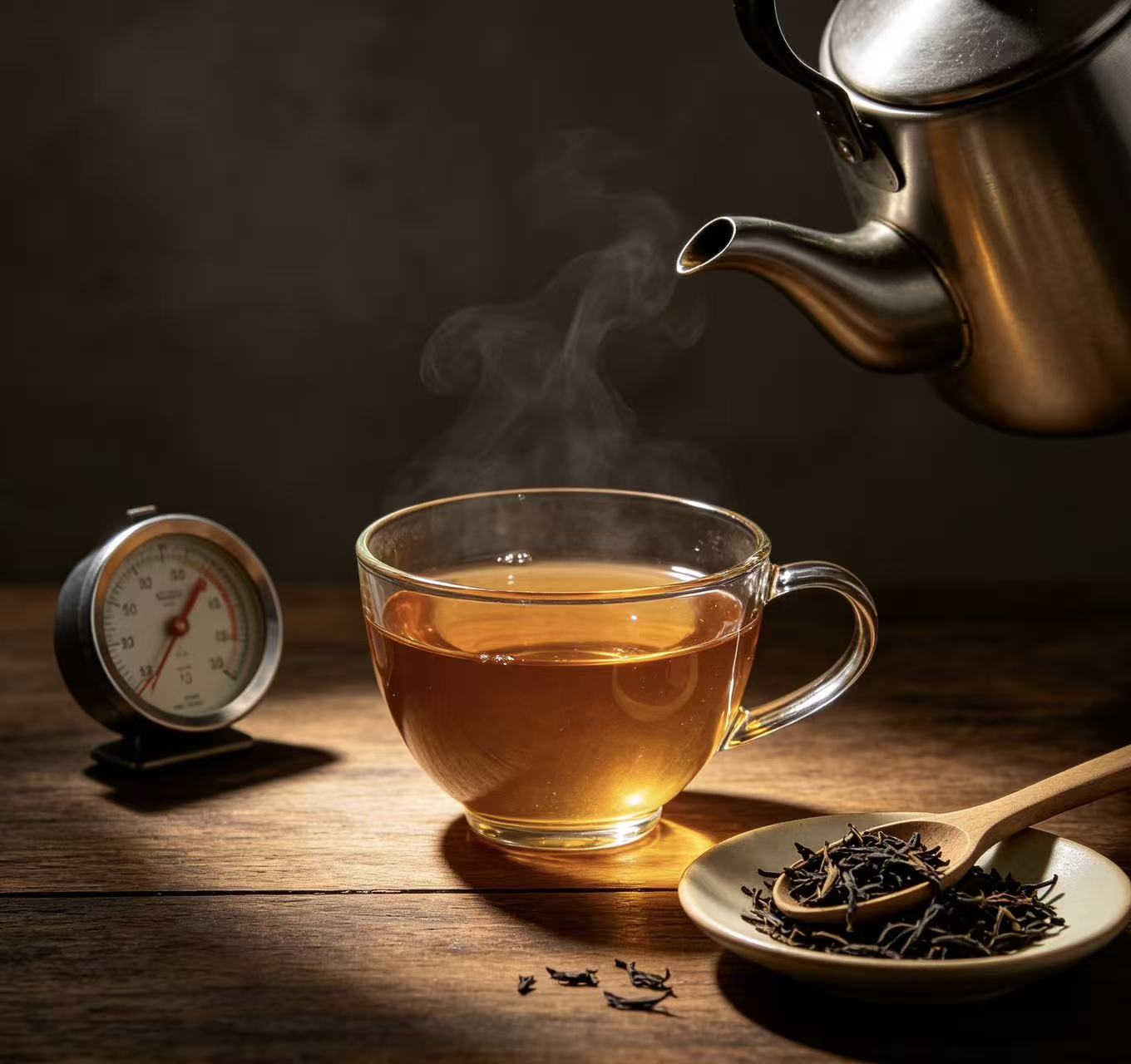
Most green teas brew best at 75–80°C (167–176°F). Boiling water burns the tender leaves and releases bitter tannins — this is the #1 cause of bad green tea.
Pour and steep loosely
Pour water gently over the leaves. Cover your vessel loosely — do not seal it tightly. Trapped heat will over-steam the leaves and create a flat, cooked taste.
Pour completely
Steep for 1–2 minutes, then pour out every last drop. Never leave leaves sitting in hot water; this guarantees bitterness in your next brew. High-quality green tea can be re-steeped 2–3 times.

Brewing Parameters by Tea Type
Use this table as your quick reference:
| Green Tea Style | Water Temperature | First Steep Time |
| Dragon Well (Longjing) | 75–80°C | 1.5 minutes |
| Bi Luo Chun | 70–75°C | 1 minute |
| Mao Jian / Mao Feng | 75–80°C | 1.5 minutes |
| Japanese Sencha | 70–75°C | 1 minute |
| Silver Needle White Buds | 80°C | 2 minutes |
Common Mistakes to Avoid
Using boiling water: Even 10°C too hot makes a massive difference in bitterness. Always cool boiling water first or use a variable kettle.
Steeping too long: Longer steeping does not make stronger flavor — it makes more bitter tannins. Stick to the recommended times.
Sealing the lid tight: Trapped heat cooks the leaves. Leave a small gap or rest the lid askew.
Rinsing the leaves: Unlike oolong or pu-erh, green tea does not need a rinse. You’ll wash away the brightest, sweetest flavors.
Using too many leaves: More leaf does not equal more taste. It only adds astringency and harshness.

Pro Tips for Better Green Tea
Try the top-pour method for ultra-delicate bud teas: Fill your cup with warm water first, then drop leaves on top. This prevents leaf burn and produces an exceptionally smooth cup.
Adjust strength with leaves, not time. If you prefer bolder flavor, add 0.5g more tea instead of extending steep time.
Add 15–20 seconds to each subsequent steep. Second and third brews are often sweeter and more rounded than the first.
Drink fresh. Green tea loses its bright aroma quickly as it cools. Enjoy it right after brewing for the best experience.
Final Thoughts
Great green tea is all about gentleness: cooler water, shorter steeps, and a light touch. Once you nail these basics, you’ll taste the natural sweetness, umami, and floral notes that make green tea so beloved — no bitterness required.
For more step-by-step brewing guides, explore our full Brewing Guides section, or browse our tea knowledge base for more tips.