Meta Description: Wondering how to tell if tea is good quality? Learn the easy signs to look for in dry leaves, aroma, liquor and aftertaste, plus common red flags that mean low-quality tea.
If you’ve ever bought loose-leaf tea and wondered whether it’s actually good — or just expensive and nicely packaged — you’re not alone. Many new tea drinkers assume quality is something only experts can taste, or that higher price always means better tea. In reality, good tea has clear, consistent traits you can spot with your own eyes, nose and tongue, no special training required. In this guide, we break down simple, practical ways to judge tea quality before you buy and after you brew it, and point out the most common red flags that mean you’re drinking low-grade leaves.
Judge Quality From the Dry Leaves First
You can learn a lot about tea before you ever boil water, just by looking at and smelling the dry leaves.
What good tea looks like
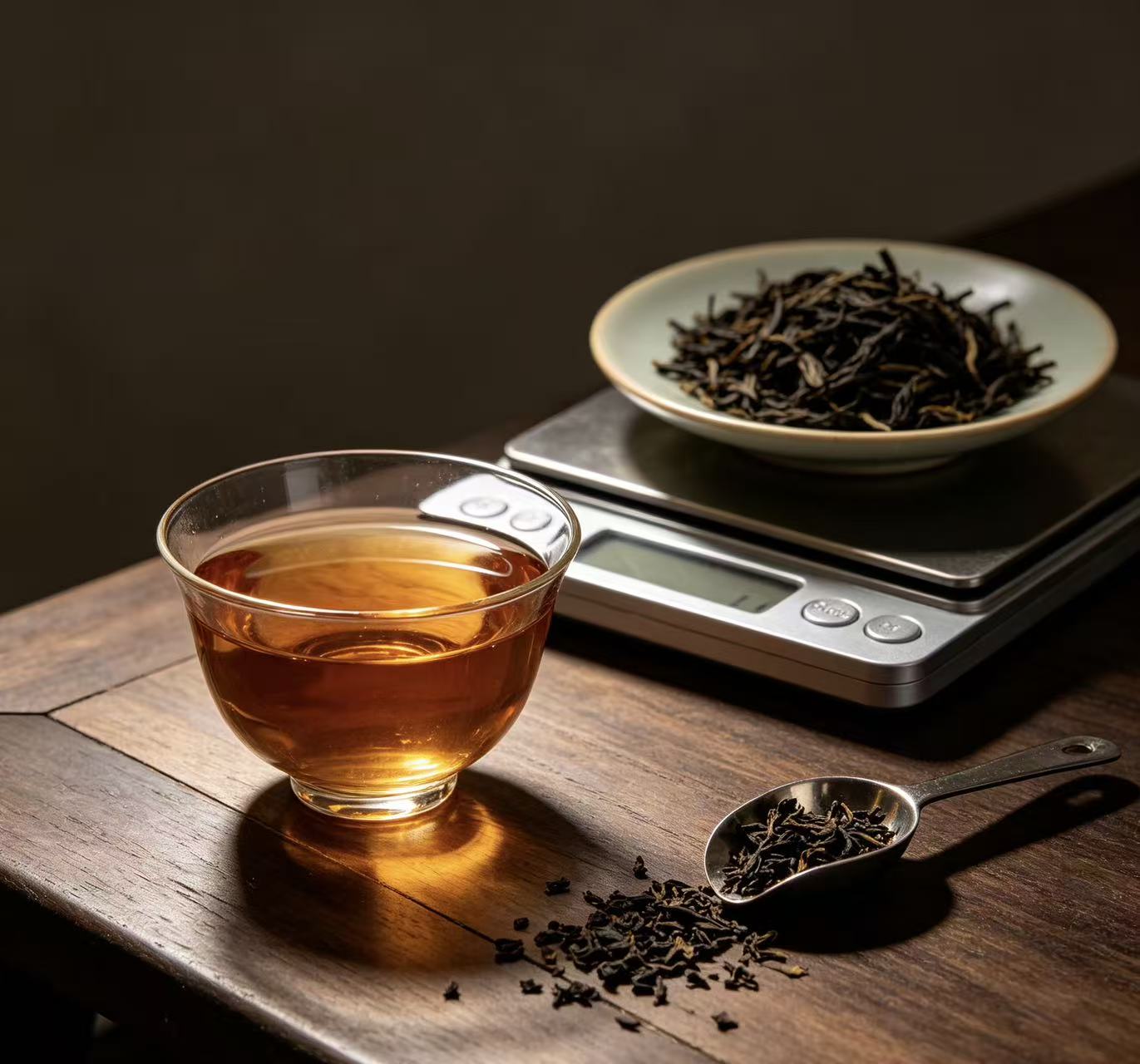
- Uniform shape and size: Whole-leaf tea should have leaves that are roughly the same size and shape, with very few broken fragments or dust at the bottom. Tightly rolled oolongs should be evenly rolled; twisted black teas should be consistent in twist and length.
- Vibrant, natural color: Good leaves have a clear, lively color — deep green for green tea, matte brown for black tea, dark glossy curls for roasted oolong. Faded, dull, or uneven coloring usually means old tea or poor processing.
- Clean, whole buds where appropriate: Premium grades like silver needle white tea should show intact, whole buds with fine fuzz. Broken or mixed stems are a sign of lower grade.
What good tea smells like
Good dry tea has a clear, distinct aroma with no off-notes. It might smell floral, roasted, fruity, sweet or grassy, but it should always smell clean and pleasant. If dry tea smells musty, dusty, stale, or like nothing at all, it is usually old, poorly stored, or low quality.

Judge Quality From the Brewed Liquor
Once you steep the tea, the color and clarity of the liquor tell you more about how it was made and how fresh it is.
What good tea liquor looks like
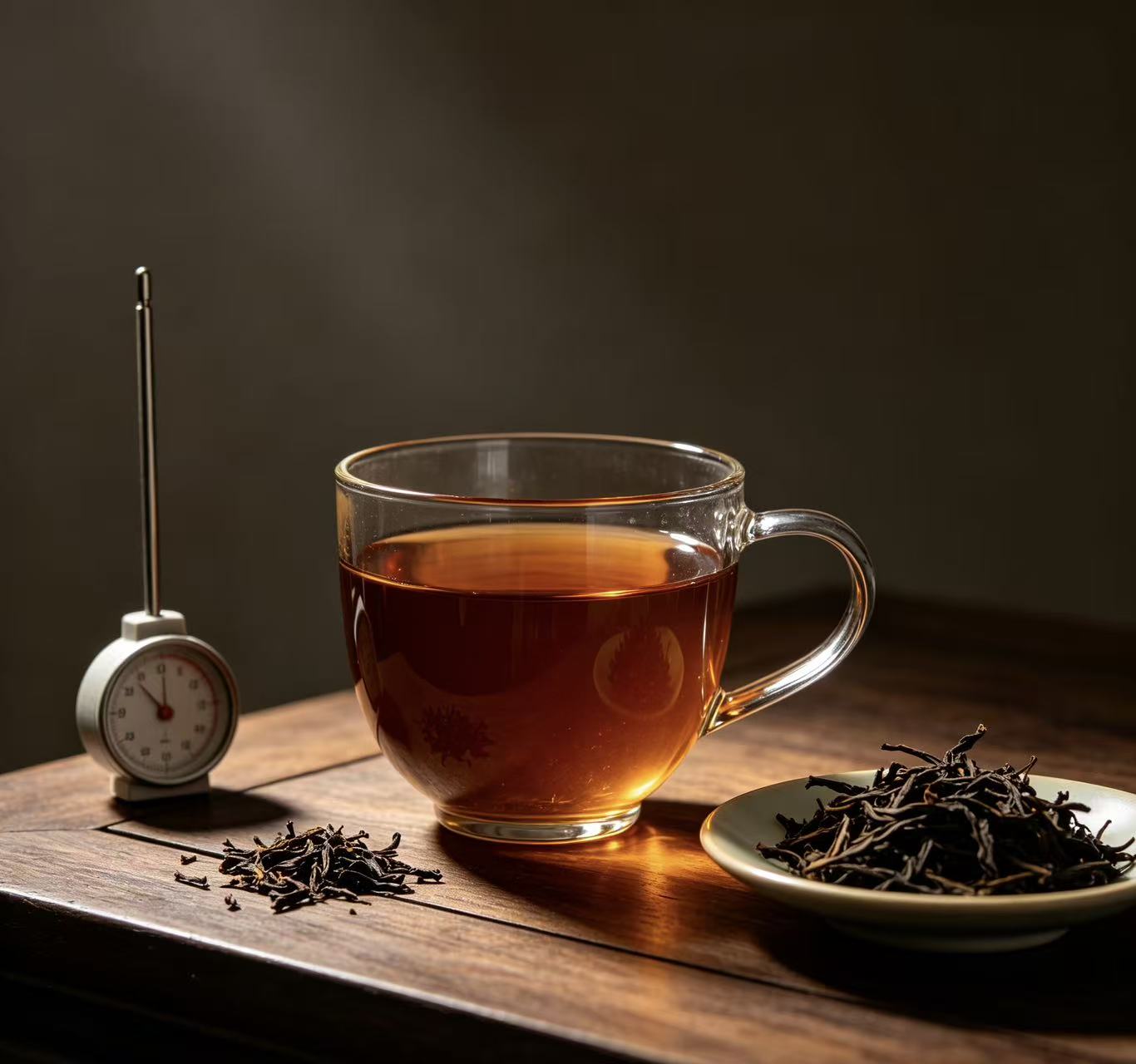
- Clear and translucent: High-quality tea brews into a clear, bright liquid. You should be able to see through it, even when it is dark. Cloudy or murky liquor often points to broken leaf particles, poor processing, or stale tea.
- Consistent color: The color should be even from top to bottom, with no strange sediment floating around. Small amounts of fine fuzz in white tea are normal and actually a sign of quality.
- Appropriate depth for the tea type: Light green tea should be pale green or yellow; black tea should be amber or reddish-brown. Extremely dark color in a light tea type usually means old leaves or over-processing.
What brewed tea should smell like
Good brewed tea releases a strong, layered aroma that matches its type. Green tea should smell fresh and vegetal; oolong should smell floral or roasted; black tea should smell sweet and malty. If brewed tea smells flat, watery, harsh, or has a strange chemical or fishy note, it is almost certainly low quality.

Judge Quality From Taste and Aftertaste
Flavor is the most important test, and there are two things to pay attention to: how it tastes in your mouth, and how it feels after you swallow.
What good tea tastes like
- Balanced, not one-note: Quality tea has more than one flavor. It might start sweet, have a floral middle, and finish with a soft roasted note. Cheap tea usually tastes only bitter, astringent, or like plain colored water.
- Smooth mouthfeel: Good tea feels smooth and pleasant on your tongue. Harsh, drying, scratchy astringency that makes your mouth feel like sandpaper is a classic sign of low-grade or over-brewed broken leaf.
- No strange off-flavors: There should be no musty, moldy, metallic, or chemically tastes. Any of these mean poor processing, bad storage, or contaminated tea.
The aftertaste test: a reliable quality marker
One of the strongest signs of good tea is hui gan — a sweet, returning aftertaste that appears in your throat a few seconds after you swallow. Cheap tea disappears immediately after you sip it. Better tea leaves a pleasant sweetness or fragrance that lingers. The longer and cleaner that aftertaste, the higher the quality of the leaf. This is a test that works across almost every tea type.
Judge Quality From the Wet Leaves After Brewing
After you finish brewing, take a look at the used leaves. They are one of the most honest indicators of quality.
Good wet leaves should:
- Unfurl into whole, intact leaves or large uniform pieces
- Feel soft, pliable and slightly springy, not mushy or brittle
- Show consistent color, with no large patches of brown rot or black decay
If after brewing all you see is tiny broken bits, stems, dust and uneven crumbs, you bought low-grade tea — no matter what the package said.

Common Red Flags of Low-Quality Tea
Watch for these signs when shopping or tasting. They don’t always mean the tea is bad, but they almost always mean it is not premium grade.
- Very bright, artificial-looking colors: Unnaturally neon green tea or perfectly uniform jet-black leaves often indicate added coloring.
- Strong perfume-like aroma: If dry tea smells like candy, perfume or artificial fruit flavor, it is almost certainly scented with artificial additives, not natural aroma.
- Extremely cheap price: Quality whole-leaf tea costs money to grow, pick and process. If a “premium” tea is priced suspiciously low, it is usually made from broken fannings or old stock.
- Bitter on the first short steep: If a 10-second gongfu steep already tastes harsh and bitter, the leaf grade is low. Good tea can handle short, gentle pours without turning harsh.
FAQs About Judging Tea Quality
Does more expensive tea always taste better?
No. Price reflects rarity, origin and brand, not always your personal preference. A moderately priced tea that is fresh and well-made will usually taste better than an expensive tea that has been stored poorly or is past its prime.
Can I judge quality from the package?
Only partially. Nice packaging tells you nothing about the leaves inside. The most reliable clues are visible leaves, a clear aroma, and an honest description of grade and harvest date.
Do I need a trained palate to taste quality differences?
No. Most people can tell the difference between smooth, balanced tea and harsh, flat tea after just a couple of side-by-side tastings. The biggest factor is paying attention, not special training.
Learning how to tell if tea is good is one of the most useful skills a new tea drinker can build. You don’t need expert knowledge or an expensive collection — you just need to look at the dry leaves, smell the aroma, notice the clarity of the liquor, and pay attention to the aftertaste. Once you start checking these simple signs, it becomes much easier to spot quality, avoid low-grade tea, and choose leaves that are actually worth your money.
For more beginner guides to tasting and choosing Chinese tea, browse our full tea story archive. To explore fresh, single-origin whole-leaf teas with clear grade descriptions, shop our curated collection of premium loose-leaf teas.