Meta Description: Making good loose leaf tea is about more than just leaves and hot water. Learn the most common beginner brewing mistakes and simple fixes for a smoother, better-tasting cup every time.If you’ve ever bought high-quality loose leaf tea but ended up with a cup that tastes bitter, weak, or flat, the problem usually isn’t the tea — it’s how you brewed it. Many new tea drinkers assume brewing is straightforward, and overlook small details that make a huge difference in flavor. The good news is that most common mistakes are easy to fix, and you don’t need fancy equipment or years of experience to get it right. In this guide, we break down the most frequent brewing errors, explain why they ruin your tea, and share simple adjustments you can start using today.
Using Water That’s Too Hot (or Too Cold)
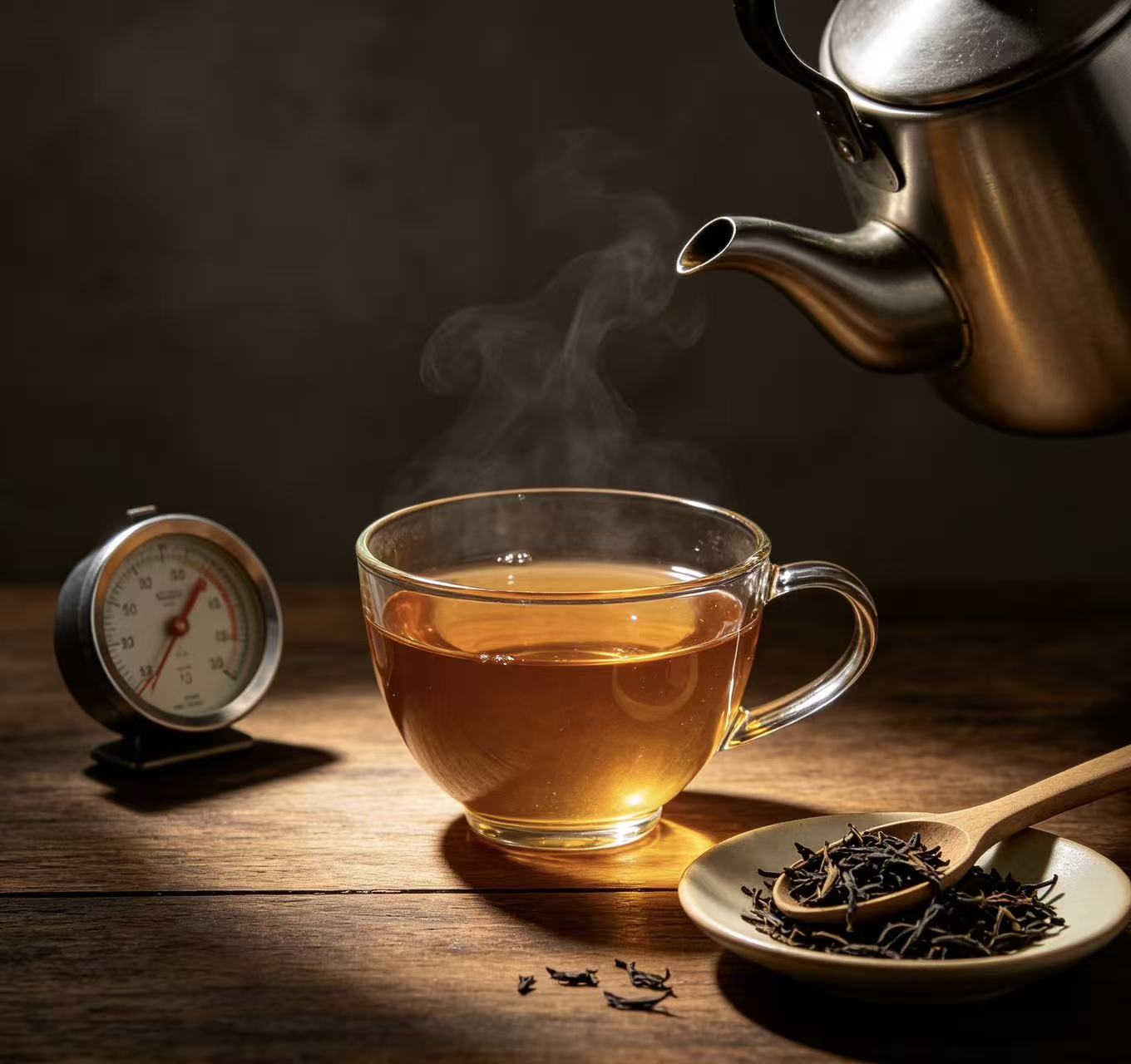
Water temperature is the single biggest factor that separates a smooth cup from a bitter one. Different tea types are processed differently, and they each have an ideal temperature range to bring out their best flavors.
Boiling water works for fully oxidized teas like black tea and pu-erh, but it will burn delicate green and white teas, bringing out harsh bitterness and destroying their bright, fresh aromas. On the other hand, water that is too cool will fail to unlock the full aroma of roasted oolongs and compressed teas, leaving your cup weak and flat.
Quick temperature guide by tea type
- Green and white tea: 75–85°C (167–185°F)
- Light oolong tea: 85–90°C (185–194°F)
- Dark roasted oolong and black tea: 90–100°C (194–212°F)
- Pu-erh and aged teas: 95–100°C (203–212°F)

Steeping Too Long
A longer steep does not always equal a better or stronger cup. Leave tea leaves in hot water for too long, and they start releasing excess tannins — the compounds that create harsh bitterness and a dry, scratchy feeling in your mouth.
The ideal steep time depends on your brewing method. For gongfu brewing with a high leaf-to-water ratio, infusions last just 10 to 30 seconds and build up gradually. For mug brewing with fewer leaves, 2 to 4 minutes is usually enough for most teas.
If you prefer a stronger flavor, add more tea leaves instead of steeping longer. This gives you deeper taste without the bitterness.

Using the Wrong Amount of Tea Leaves
It’s easy to guess wrong about how much tea to use, and both too little and too much will throw off the balance of your cup. Too few leaves produce a weak, watery brew with no depth; too many leaves create an overpowering, overly astringent cup.
A good starting rule for mug brewing is 2 to 3 grams of tea per 150ml of water. For gongfu brewing, use 5 to 7 grams of tea for a 100ml gaiwan or teapot. You can adjust slightly up or down to match your taste, but start within this range for a balanced baseline.
Brewing With Low-Quality Water
Tea is mostly water, so the quality of your water directly affects the taste of your cup. Tap water often contains chlorine, minerals, and other additives that mask tea’s natural aroma and create an off-flavor. Very soft distilled water, on the other hand, can make tea taste flat and lifeless.
For the best results, use filtered water or low-mineral bottled spring water. It’s a small change that makes a surprisingly big difference in how clear and aromatic your tea tastes.

Leaving Water in the Pot Between Infusions
When brewing multiple infusions gongfu style, many beginners leave a little water sitting in the teapot or gaiwan between pours. This means the leaves keep steeping even after you’ve poured out the cup, making each subsequent infusion more bitter and less balanced.
Always pour out every last drop after each steep. This gives you full control over extraction time, and lets each infusion taste clean and consistent.
Rinsing Every Tea (or Skipping It Entirely)
Rinsing tea is not a universal rule. Many new drinkers rinse every tea out of habit, and others skip it entirely even for teas that benefit from it.
As a general rule, compressed pu-erh, tightly rolled oolongs, and aged teas benefit from a quick 3 to 10 second rinse to wake up the leaves and remove surface dust. Delicate green teas, silver needle white tea, and light floral black teas do not need a rinse — you’ll just throw away their best aromas and flavors.
FAQs About Tea Brewing for Beginners
Why does my tea always taste bitter?
Bitterness almost always comes from water that is too hot, steeping too long, or using too many leaves. Start by lowering the water temperature slightly, reducing steep time, and using the recommended leaf-to-water ratio.
Can I fix over-steeped bitter tea?
You can soften it by adding a little cool water to dilute it, but you can’t fully reverse over-extraction. The best fix is to adjust your steep time for the next cup.
Does the type of teapot really matter?
For beginners, the teapot matters less than water temperature and steep time. A simple ceramic gaiwan or glass mug will work perfectly well. Material makes more of a difference as you refine your brewing technique.
How many times can I reuse tea leaves?
It depends on the tea. Delicate green and white teas usually last 2 to 3 infusions. Oolongs and black teas often hold up for 5 to 8 infusions. High-quality pu-erh can be steeped 10 times or more.
Small adjustments to how you brew can turn a disappointing cup of tea into a great one. You don’t need expensive tools or expert training — just pay attention to water temperature, steep time, and leaf amount, and adjust based on the tea type. Once you fix these common mistakes, you’ll get far more flavor and enjoyment out of every bag of loose leaf tea you buy.For more beginner brewing guides and tea education, browse our full tea story archive. To explore fresh, single-origin whole-leaf teas that brew beautifully at home, shop our curated collection of premium Chinese loose-leaf teas.