Origin · Craft · Flavor
Biluochun, also known as Spring Snail tea, is one of China’s top ten famous green teas, grown on the mist-shrouded Dongting Mountains along the shores of Taihu Lake in Jiangsu Province. Renowned for its tightly curled spiral shape, delicate fruity-floral aroma, and refreshingly sweet taste, this premium green tea is celebrated as a masterpiece of Chinese tea craftsmanship, beloved by tea connoisseurs worldwide for its light, elegant character.

Origins: A Legend Born by Taihu Lake
Biluochun traces its history back over 1,000 years, with its name officially given by the Kangxi Emperor of the Qing Dynasty. Originally called “Xia Sha Ren Xiang” (Scarily Fragrant Tea) for its intensely rich aroma, it was renamed Biluochun — meaning “Green Spring Snail” — for its spiral shape and spring harvest season.
What makes Dongting Biluochun truly unique is its growing environment. Tea trees are planted alongside fruit trees such as plum, peach, loquat, and orange on the hillsides of East and West Dongting Mountain. The constant mist from Taihu Lake, mild humid climate, and interplanting with fruit trees infuse the tea leaves with a natural, subtle fruity and floral fragrance that cannot be replicated elsewhere. Only tender buds picked before the Qingming Festival (pre-Qingming tea) are used for top-grade Biluochun, ensuring the purest, most delicate flavor.
Handcrafted Perfection: The Art of Making Biluochun
Genuine Biluochun is entirely handcrafted through a meticulous process completed the same day as picking, following traditions passed down for generations.
Fresh leaf selection:
Only the tiniest one-bud-one-leaf shoots are selected, with 60,000 to 70,000 buds needed to make just 500 grams of finished tea.

High-temperature fixation:
Skilled artisans pan-fry the leaves at high temperature in iron woks to halt oxidation, locking in the fresh green color and natural aroma.
Rolling and shaping:
While still warm, the leaves are gently rolled and twisted by hand into their signature tight spiral shape, a step that defines Biluochun’s iconic “snail” appearance.

Drying and fluffing:
The final low-temperature drying step brings out the fine white hairs (trichomes) covering each leaf, a hallmark of premium Biluochun.
This labor-intensive handmade process preserves the tea’s vibrant green color, rich aroma, and full nutritional value.
Flavor Profile: Floral, Fruity, and Unforgettably Fresh
Premium Dongting Biluochun has four distinct defining qualities:
Dry leaf:
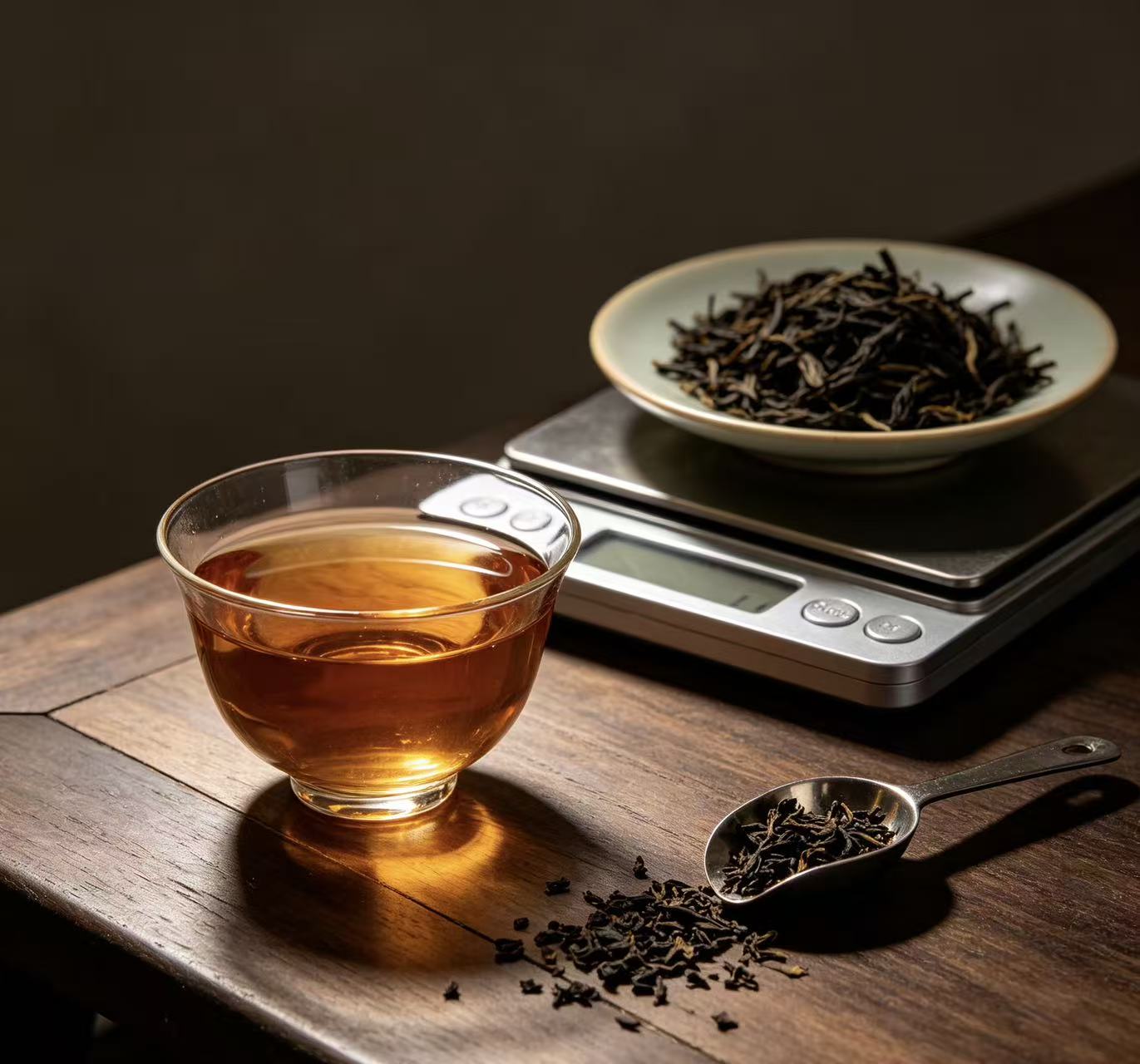
Tightly curled into tiny spirals, covered in fine silvery-white hairs, with a deep emerald green hue.
Aroma:
A layered, natural bouquet of floral notes (orchid, jasmine) and ripe fruit sweetness (peach, loquat), with a fresh grassy undertone.
Liquor:
Clear, pale yellow-green broth with a bright, glossy appearance.
Taste:
Exceptionally smooth and fresh on the palate, with a gentle umami sweetness and long-lasting honeyed aftertaste. There is no bitterness or astringency when brewed correctly, only a clean, refreshing finish that lingers in the throat.

How to Brew Biluochun for the Best Taste
Because Biluochun is made from extremely tender young buds, it requires gentle brewing to avoid scalding the leaves:
Use a clear glass to fully enjoy the tea’s color and the sight of the leaves unfurling.
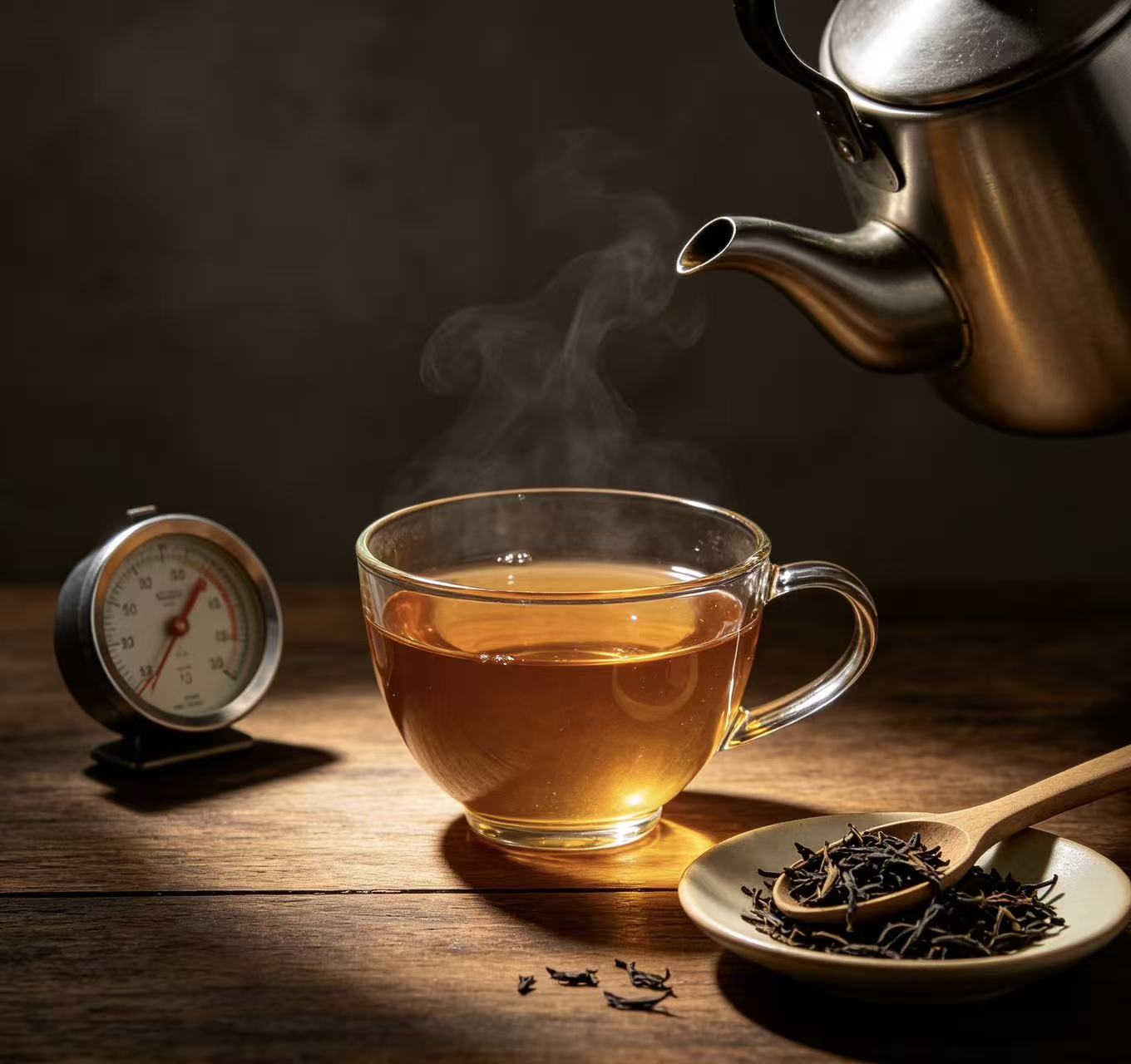
Heat pure water to 80–85°C (176–185°F) — never boiling water.
Use the top-pouring method: Fill the glass ⅔ full with warm water first, then add 3–5 grams of tea leaves.
Watch as the spiral leaves sink slowly and unfurl into complete bud-and-leaf shapes.
Steep for 45–60 seconds before drinking. High-quality Biluochun can be infused 2–3 times, with each steep revealing slightly different flavor notes.
Health Benefits of Biluochun Green Tea
As a minimally processed green tea, Biluochun retains high levels of natural antioxidants:
Rich in EGCG and polyphenols that support immune health and fight oxidative stress
Contains natural theanine and caffeine for gentle, sustained energy without jitters
Supports healthy digestion and helps regulate metabolism
The mild, soothing properties help refresh the mind and relieve mental fatigue
Final Thoughts
Biluochun is more than just a tea — it is a taste of the misty Jiangnan water towns, a distillation of spring in every cup. Its delicate aroma, elegant shape, and sweet, clean flavor make it one of the most refined representatives of Chinese green tea. Whether enjoyed as a quiet morning ritual or shared with guests, a cup of Dongting Biluochun delivers an authentic taste of China’s ancient tea culture.