If you’ve ever gotten flat, lifeless tea from a basic ceramic pot, or felt intimidated by Yixing teapots, this guide breaks it down simply. Many new drinkers stick to gaiwans and glass pots, and miss the rich, rounded flavor a properly used Yixing teapot delivers. As the most iconic traditional Chinese teapot, it is prized for its porous clay that softens bitterness, amplifies aroma, and builds depth with every use. This guide covers seasoning, step-by-step brewing, proper care, and common mistakes that ruin both flavor and the pot itself.
What Is a Yixing Teapot?
Yixing teapots are handcrafted from zisha purple clay mined exclusively in Yixing, Jiangsu, China. Their unique microporous structure absorbs small amounts of tea oils over time, slowly seasoning the pot and enhancing every future brew. Unglazed on the inside, they create a direct clay-to-tea bond that shapes flavor in subtle but noticeable ways.

What Makes It Different From Other Teaware
- Flavor softening: Porous clay naturally rounds out harsh astringency, producing a smoother, thicker mouthfeel than glass or porcelain.
- Aroma retention: It traps and concentrates heat and aroma, bringing out deeper layered notes in roasted and aged teas.
- Living seasoning: With proper use, the pot develops a natural patina and improves with age, like a well-loved pan.
How to Season a New Yixing Teapot
- Rinse the pot and lid thoroughly under warm water; gently scrub inside with a soft brush. Do not use soap.
- Place in a pot of cold water, bring to a gentle boil, and simmer 15 minutes.
- Add 5–10g of the tea you plan to brew most often, simmer another 15 minutes.
- Let cool completely, rinse with clean warm water, and air dry fully in a cool, ventilated area.

Perfect Brewing Method
Yixing pots work best with short, repeated infusions.
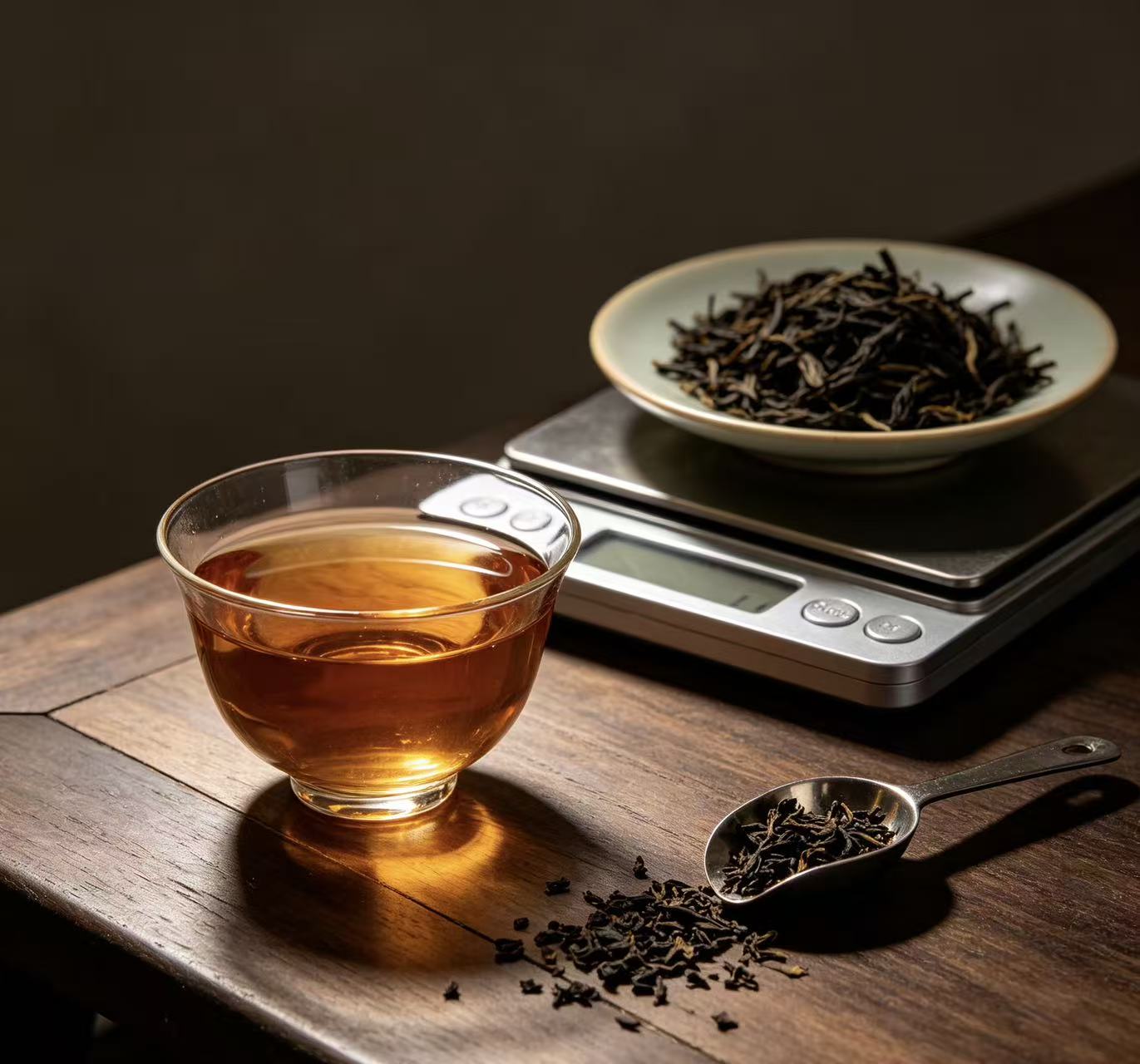
- Leaf amount: 5g per 100ml pot volume
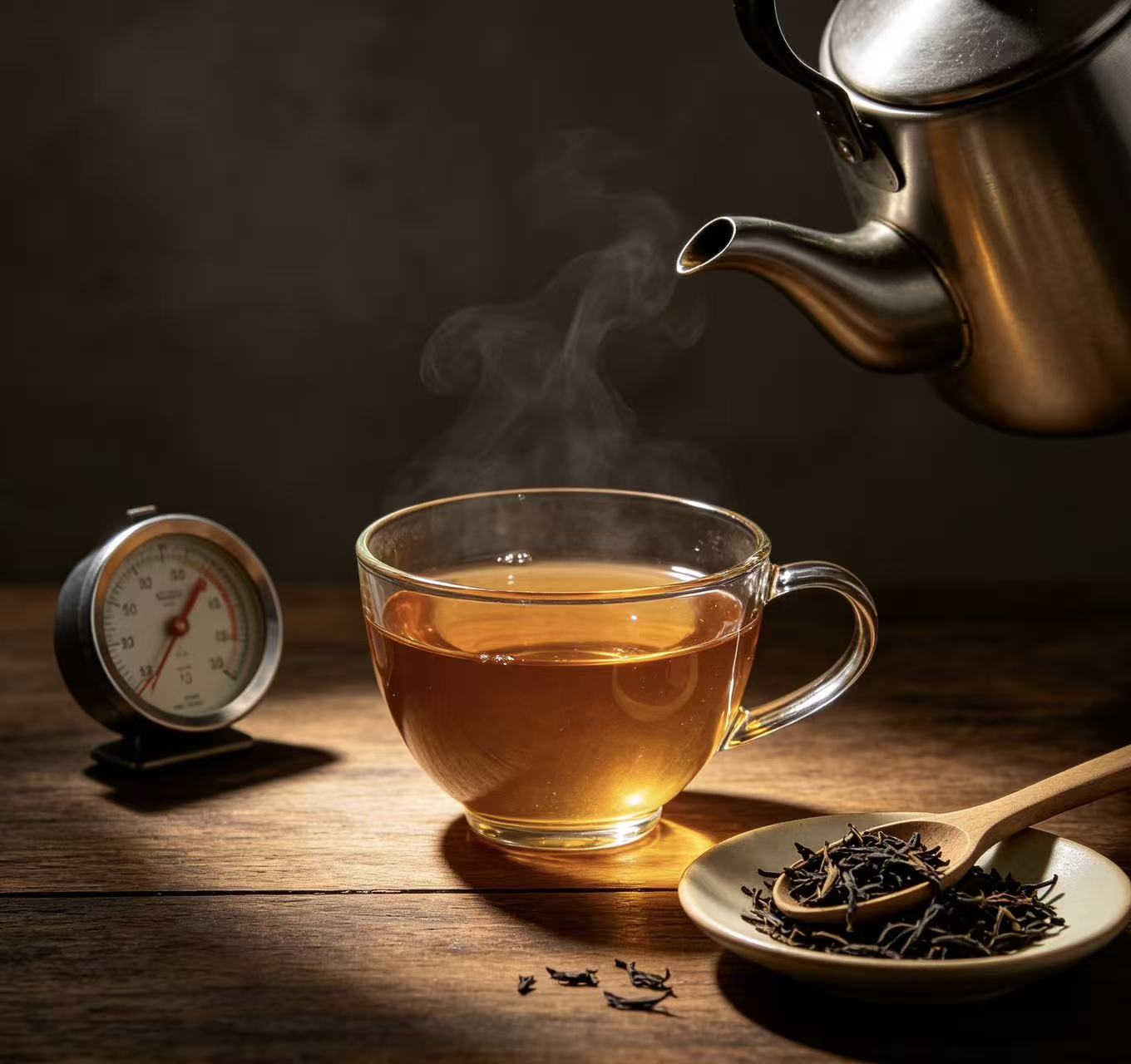
- Water temperature: 95–100°C for oolong/black tea; 80–85°C for green tea
- Rinse step: Rinse leaves with hot water for 2 seconds, discard.
- First infusion: 15–20 seconds, add 5–10 seconds for each subsequent steep
- Tip: Pour out every last drop after each steep to avoid over-extraction.

Common Mistakes to Avoid
- Using soap or detergent: Soap clogs pores and leaves permanent residue that ruins flavor. Use only clean water and a soft brush.
- Mixing too many tea types: A seasoned pot absorbs tea oils. Stick to one broad tea category per pot to keep flavors clear.
- Leaving leaves inside overnight: Wet leaves grow mold and sour the clay. Empty and rinse immediately after each session.
- Drying sealed or in sun: Sealing traps moisture and causes musty odors. Always air dry open, away from sunlight and strong kitchen smells.
Frequently Asked Questions
What tea is best for a Yixing teapot?
They excel at roasted oolongs, black teas, and aged pu-erh. Lighter green and white teas work too, but season the pot more slowly.
Do I need a different pot for every tea?
Not every specific tea, but keep broad categories separate: one for roasted oolongs, one for black teas, one for pu-erh.
How long does a Yixing teapot last?
With proper care, a well-made pot will last decades, and actually improves with age as it builds seasoning and patina.
Final Thoughts
A Yixing teapot is more than a brewing vessel — it’s a tool that grows with your practice and rewards consistent care with deeper, smoother flavor over time. Whether you’re new to gongfu brewing or upgrading your daily setup, learning to use and care for one will noticeably elevate every cup.
To explore more teaware guides and brewing techniques, browse our full teaware collection.