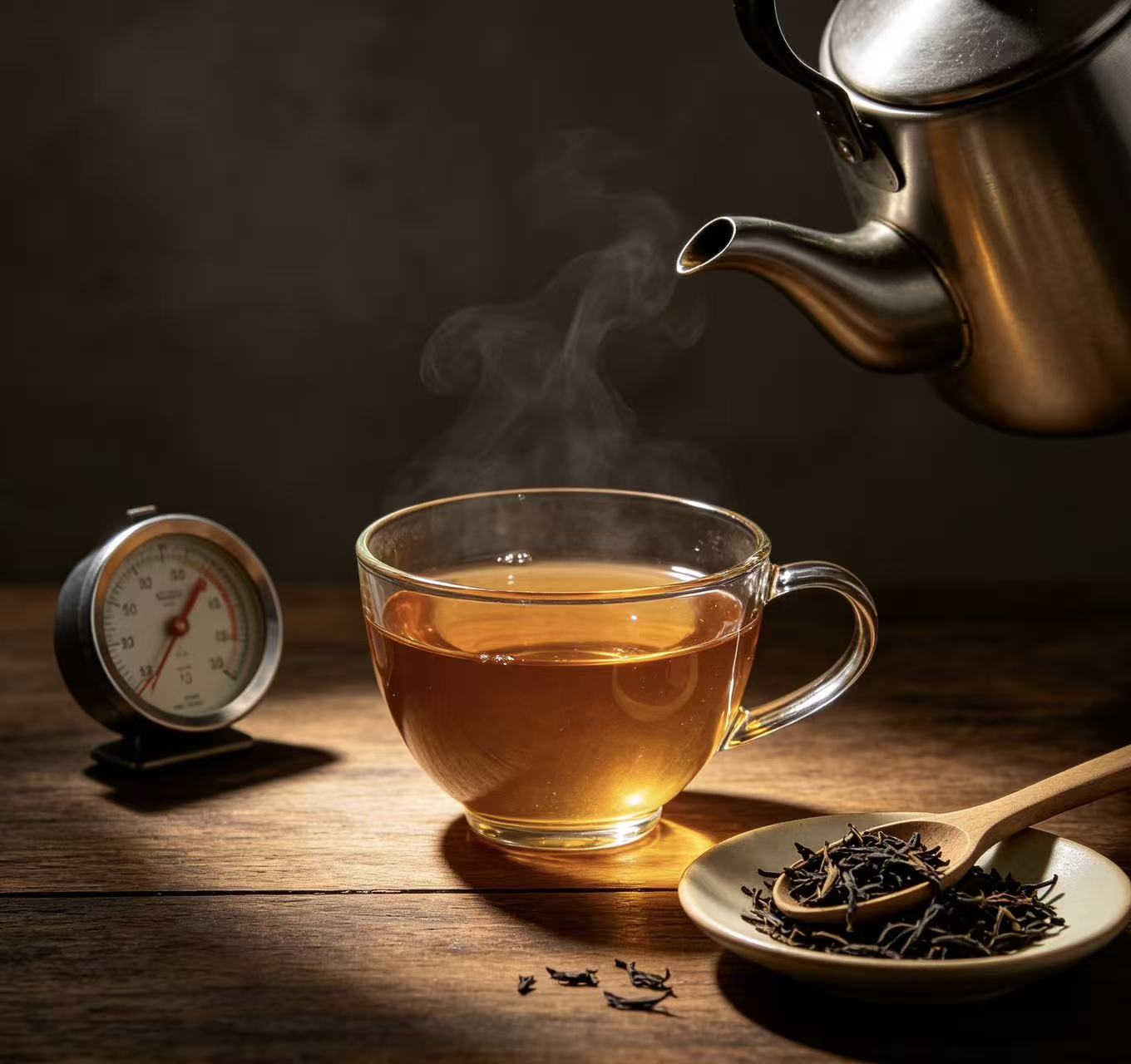
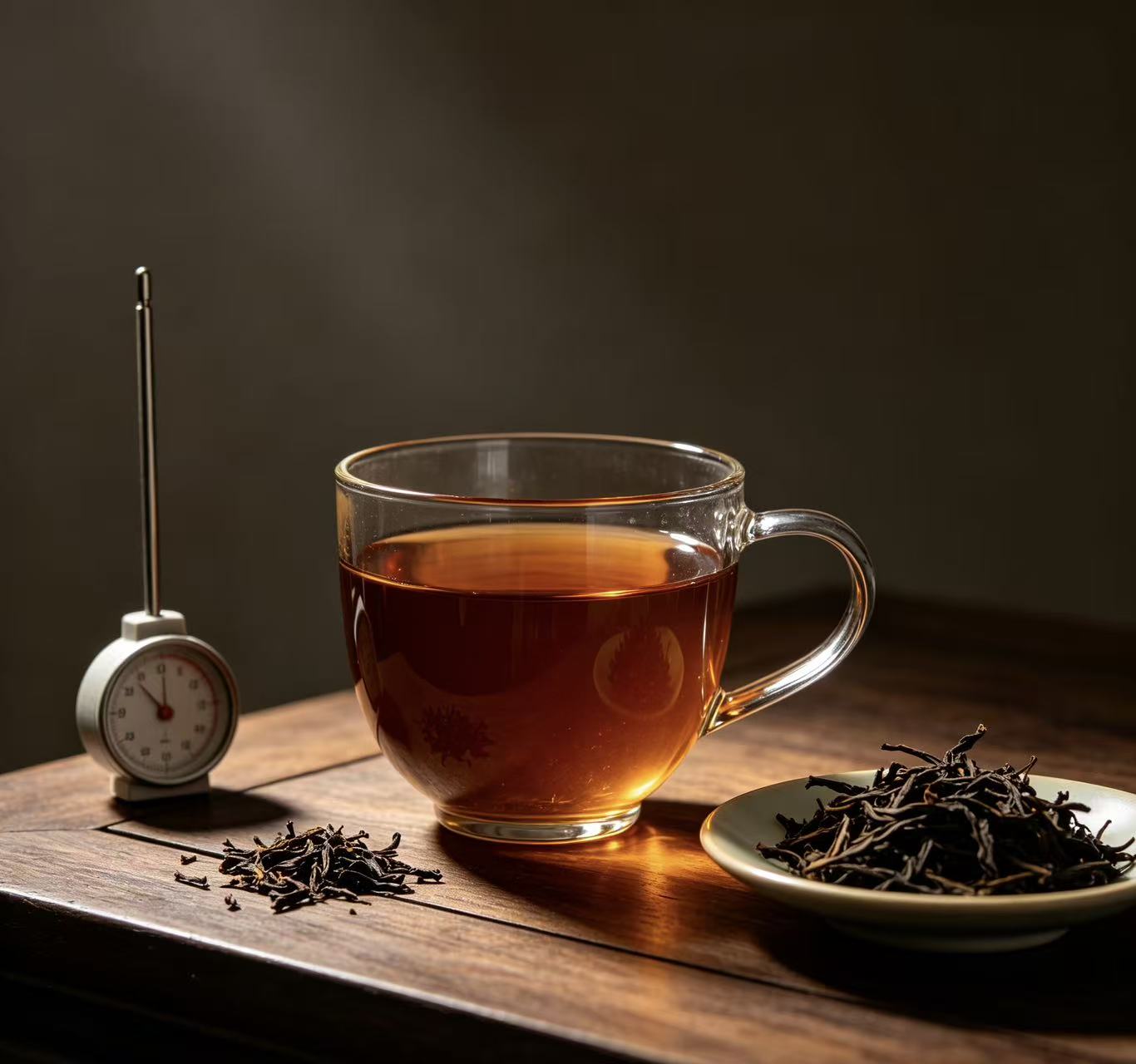
If you’ve picked up loose leaf tea but don’t own a dedicated strainer or infuser, you might have settled for cloudy, leaf-filled cups or avoided brewing altogether. Many new tea drinkers assume you need special gear to brew loose leaf tea properly, but learning how to brew loose leaf tea without a strainer is simpler than you think. With basic household items and a few small technique adjustments, you can brew smooth, clean-tasting tea with minimal sediment and no expensive tools. In this guide, we’ll cover four practical methods, a step-by-step routine, and common mistakes to skip for a perfect cup every time.
Why Brewing Loose Leaf Tea Without a Strainer Feels Tricky
Loose leaf tea expands and floats freely in hot water, which makes separating leaves from the final drink more challenging than bagged tea. Without a strainer, small leaf particles can easily pour into your cup, creating a gritty texture and bitter aftertaste from over-extracted fines. It also becomes harder to control exactly when brewing stops, since leaves stay in contact with hot water until you finish pouring. Still, these challenges are easy to work around with the right pouring technique and simple household alternatives.
4 Easy Methods to Brew Loose Leaf Tea Without a Strainer

Method 1: Teapot & Lid Technique (Best for Larger Batches)
This is the most straightforward method if you have a basic teapot with a fitted lid.
- Add tea leaves to the bottom of the teapot and pour in hot water at the correct temperature for your tea type.
- Cover with the lid and let brew for the recommended time.
- Pour slowly and steadily into cups, tilting the teapot gently to keep leaves settled at the bottom.
- Stop pouring just before the last small amount of liquid, which will hold most of the fine sediment.
Works best for black tea, oolong, and dark tea with larger, heavier leaves.
Method 2: Cup & Saucer Method (Best for Single Servings)
Ideal for one-cup brews when you only have a mug and a saucer on hand.
- Place tea leaves directly in the bottom of your cup.
- Pour hot water over the leaves and cover with the saucer to trap heat and even out extraction.
- Let brew for the correct amount of time for your tea.
- Slowly pour the tea into a second clean cup, or simply sip carefully and leave the last sip of leaf-heavy liquid behind.
Works best for green tea and white tea with lighter, smaller leaves.
Method 3: French Press Method (Best for Richer Brews)
If you have a French press for coffee, it doubles as a great loose leaf tea brewer.
- Add tea leaves to the press carafe and pour in hot water.
- Place the lid on top but do not press down the plunger yet.
- Let the tea brew fully, then slowly push the plunger down to separate leaves from the liquid.
- Pour immediately to avoid over-extraction from leaves sitting under the filter.
Works best for black tea, pu-erh, and herbal blends.
Method 4: Cloth or Paper Filter Hack (Best for Emergency Use)
For when you have no tea gear at all, common kitchen items work as a temporary strainer.
- You can use a clean cotton cloth, coffee filter paper, or even a paper towel folded into a cone.
- Rest the filter over your cup and slowly pour the brewed tea through it.
- This catches almost all leaf particles, but paper filters will also absorb some of the tea’s aroma and oils.
Best reserved for occasional use rather than daily brewing.
Step-by-Step: Brew a Clean Cup Without a Strainer
Follow this simple routine for consistent, low-sediment results every time.
- Measure 2–3 grams of loose leaf tea per 8oz of water and place it in your brewing vessel.
- Heat water to the correct temperature for your tea type — avoid boiling water for delicate green and white teas.
- Pour the hot water over the leaves, cover the vessel, and start your timer.
- Once brew time is up, pour slowly and steadily into your drinking cup.
- Leave the last 1–2 sips of liquid in the brewing vessel to avoid pouring out fine sediment.
- If you still see small particles, let the cup sit for 30 seconds so they sink to the bottom.

Tips for a Smoother, Cleaner Cup
Small adjustments make a big difference in how much sediment ends up in your drink.
- Use slightly less tea than you would with an infuser. Fewer leaves mean fewer fines floating in the water.
- Pour slowly and keep the angle of your pour steady. Fast, jerky pouring stirs up settled leaves.
- Choose larger, whole-leaf teas when possible. Broken leaf grades produce much more fine sediment.
- Avoid over-brewing. Longer brew times break down leaves into smaller particles that are harder to separate.
Common Mistakes to Avoid
Even small errors can turn a smooth brew into a gritty, bitter cup.
- Leaving leaves in the cup until you finish drinking: This causes constant over-extraction and releases more fine particles into the tea.
- Pouring too quickly: Rushing the pour swirls up settled leaf sediment and sends it straight into your cup.
- Using too much tea: More leaves do not equal more flavor — they just create more sediment and faster bitterness.
- Squeezing the last drop out: The very last of the liquid holds almost all the fine, bitter leaf particles.

Frequently Asked Questions
Can you drink the tea leaves at the bottom of the cup?
Tea leaves themselves are not harmful to eat, but they have a bitter, gritty texture and can be unpleasant to drink. Most people prefer to leave them behind.
What can I use if I don’t have a tea strainer?
A clean cotton cloth, coffee filter, paper towel, or French press all work as temporary tea strainer alternatives. For daily use, a small mesh infuser is still the most reliable option.
Is it okay to brew loose leaf tea directly in a cup?
Yes, it is perfectly fine. Just be mindful of brew time and pour carefully, or leave the last small amount of tea in the cup to avoid drinking the leaves.
Does loose leaf tea need an infuser?
No, loose leaf tea does not require an infuser to brew well. An infuser simply makes separating leaves easier and more consistent, but you can get great results without one.
Final Thoughts
You don’t need specialized tea gear to enjoy high-quality loose leaf tea. Once you know how to brew loose leaf tea without a strainer, you can make a clean, flavorful cup with just basic household items. Start with the method that matches what you have on hand, and adjust pour speed and brew time to fit your taste. For more step-by-step brewing techniques and tea-specific advice, explore our full collection of tea brewing guides