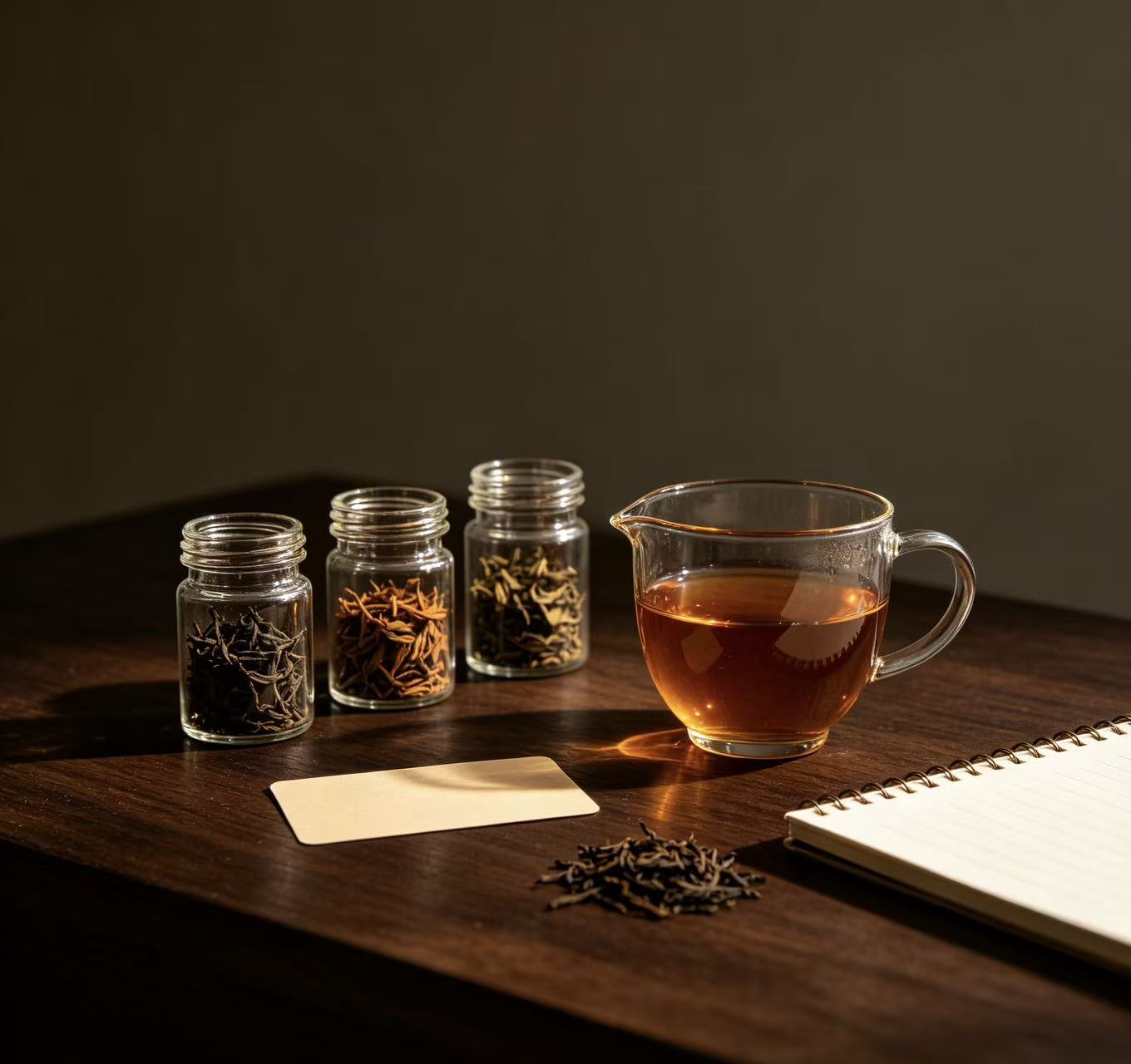
If you reach for black tea for your morning pick-me-up or afternoon energy boost, you’ve probably wondered how much caffeine is actually in your cup. Black tea is known for being a steady, reliable source of caffeine, but its content isn’t fixed — it changes widely based on how the tea is grown, processed, and brewed. Understanding caffeine levels helps you control your daily intake and brew a cup that fits your energy needs, without the jitters you might get from coffee. This guide breaks down typical amounts, what changes them, and how black tea compares to other drinks.
How Much Caffeine Is in a Standard Cup?
On average, an 8-oz (240-ml) cup of brewed black tea contains 25–50 mg of caffeine.
That’s roughly half to a third of the caffeine in a standard cup of drip coffee, which usually has 80–100 mg per 8 oz. The exact number falls within a wide range because there’s no single “standard” black tea — everything from leaf grade to brew time changes the final amount.
Common forms compared:
- Loose leaf black tea: 30–50 mg per 8 oz, brewed 3–4 minutes in boiling water
- Black tea bags: 25–45 mg per 8 oz; finely cut leaves release caffeine quickly
- Instant black tea: 15–30 mg per 8 oz, often lower due to processing dilution
- Iced black tea: 10–40 mg per 8 oz, varies widely by brand and brew strength

Key Factors That Change Caffeine Content
Caffeine content isn’t set when the tea is harvested — brewing choices often have an even bigger effect.
- Brew time Most caffeine dissolves in the first 3–5 minutes of steeping. Extraction slows after that, but a 10-minute steep can still add 10–15% more caffeine than a 3-minute steep.
- Water temperature Caffeine dissolves better in hotter water. Black tea brewed with boiling water (212°F / 100°C) extracts significantly more caffeine than tea brewed at 175–185°F.
- Leaf grade & cut Finely cut or broken leaves (like CTC tea and most tea bags) have more surface area exposed to water, so they release caffeine faster than whole-leaf black teas. Young buds and first leaves also naturally contain more caffeine than older, larger leaves.
- Tea-to-water ratio More tea leaves per cup means more caffeine. A standard serving uses 2–3 grams per 8 oz of water; doubling the leaves will nearly double the caffeine.
- Cultivar & growing conditions Tea plants grown at higher elevations and in more sunlight tend to produce more caffeine. Some cultivars, like Assamica, naturally have higher levels than others.

Black Tea Caffeine vs. Coffee & Other Teas
Per 8-oz standard serving:
- Drip coffee: 80–100 mg
- Oolong tea: 30–50 mg
- Black tea: 25–50 mg
- Green tea: 20–45 mg
- White tea: 15–40 mg
- Herbal tea: 0 mg
Contrary to popular belief, oxidation does not destroy caffeine. Differences between tea types come mostly from leaf material, processing, and typical brewing methods — not the oxidation process itself.

Why Black Tea Caffeine Feels Different From Coffee
Black tea delivers a smoother, steadier energy boost than coffee, and there’s a scientific reason for that.
Black tea naturally contains L-theanine, an amino acid that works together with caffeine. L-theanine promotes calm alertness, reduces jitteriness, and slows absorption so the energy lift lasts longer and doesn’t end in a crash. This combination is why many people prefer black tea for focused work or long afternoons.
Frequently Asked Questions
Is black tea high in caffeine?
Compared to other teas, black tea is on the higher end of the caffeine range. Compared to coffee, it is moderate — a typical cup has about half the caffeine of a standard cup of coffee.
Does steeping black tea longer increase caffeine?
Yes, up to a point. Most caffeine is extracted in the first 5 minutes. After that, extraction slows but still increases slightly with longer brew times.
How long does caffeine from black tea last?
On average, effects last 4–6 hours for most people. Sensitivity varies based on metabolism, body weight, and regular caffeine intake.
Can you reduce caffeine in black tea?
Yes. Shorten steep time to 2–3 minutes, use slightly cooler water, or use fewer leaves. A quick 10-second “rinse” of the leaves before brewing will also remove a small amount of caffeine.
Is black tea stronger than green tea in caffeine?
Not always. Under similar brewing conditions, black tea often has slightly more, but high-grade green tea buds can have just as much or more. Brewing method makes a bigger difference than tea type.
Final Thoughts
Black tea is a great choice for steady, moderate caffeine without the harsh edge of coffee. Its exact caffeine content varies widely, but you can easily control it by adjusting brew time, water temperature, and leaf amount. For most people, 2–3 cups a day fits well within healthy intake limits, while still delivering that familiar gentle boost.
Want to compare? Check out our full guide to caffeine in green tea to see how it stacks up. For better brewing tips, read our guide to steeping black tea perfectly every time.