Introduction
If you’ve brewed the exact same loose leaf tea two days in a row and gotten completely different results, you know how frustrating it can be. One cup is bright, sweet, and aromatic — the next is bitter, weak, or oddly flat, and you’re left wondering why your tea tastes different every time.
The good news is it’s almost never a problem with the tea itself. Most inconsistent flavor comes from tiny, easy-to-miss variables in your daily brewing routine. Even small shifts in water temperature, steep time, or leaf quantity can completely change how your tea tastes. In this post, we break down the three most common causes of uneven tea flavor, and share simple fixes to get a reliable, great-tasting cup every single day.
Water Temperature Fluctuations
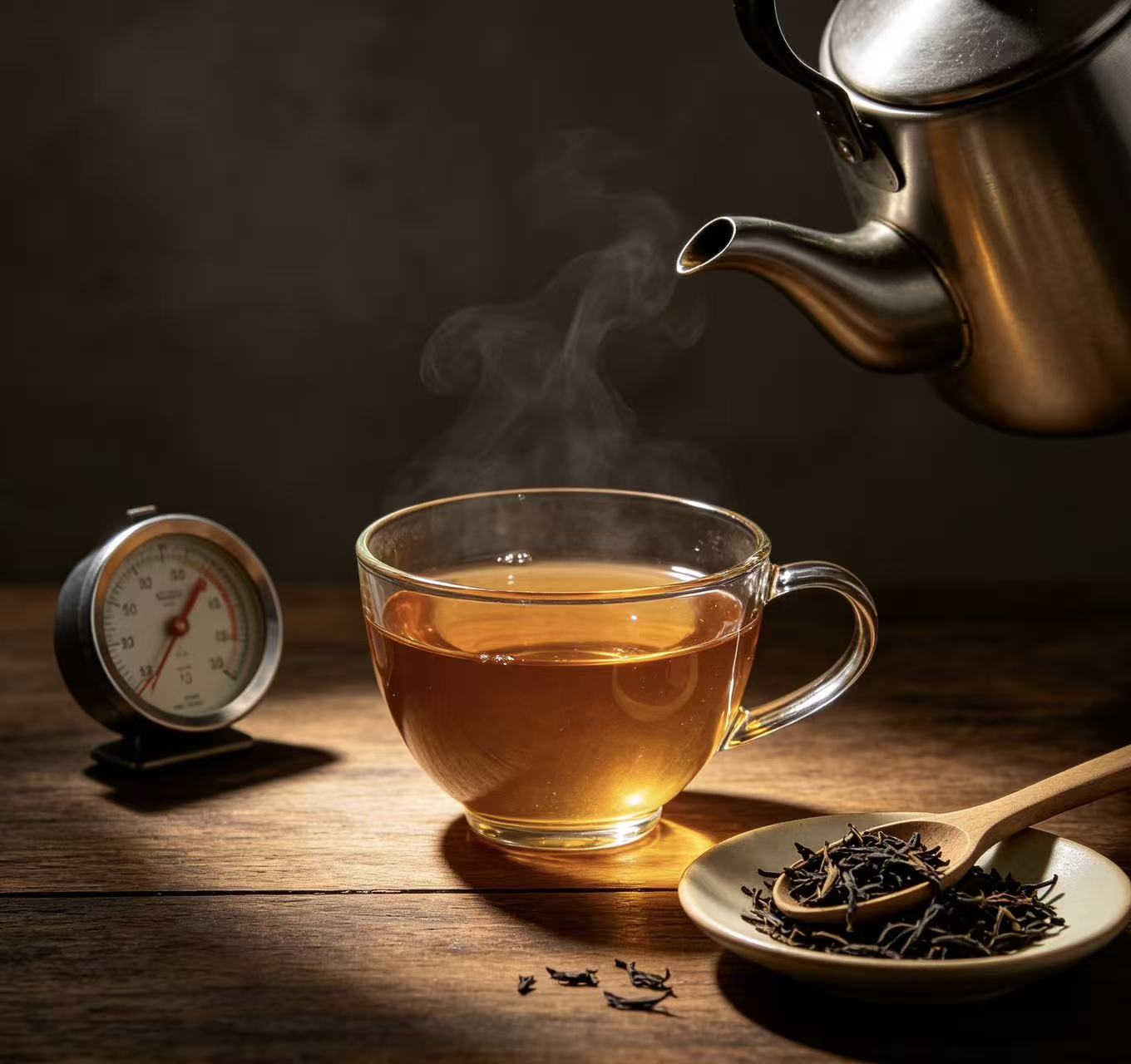
This is the single biggest cause of day-to-day flavor differences, and most home brewers never notice it. Guessing water temperature by eye or letting a kettle sit for different amounts of time creates 5–15°C gaps between brews.
Too-hot water burns delicate green and light oolong teas, pulling out bitter tannins. Too-cool water leaves black and dark roasted teas tasting flat and weak.
Fix: Match water temperature to your tea type and stick to it. Use a temperature-controlled kettle, or learn a consistent cooling time for your kettle. Don’t default to boiling water for every tea.
Uncontrolled Steeping Time
It’s easy to get distracted by your phone or a task and leave leaves soaking 30–60 seconds longer than intended. That extra time is enough to turn a sweet, balanced cup into a bitter, astringent one.
This is especially true for gongfu-style brewing, where infusions are short and small timing changes have an outsized effect.
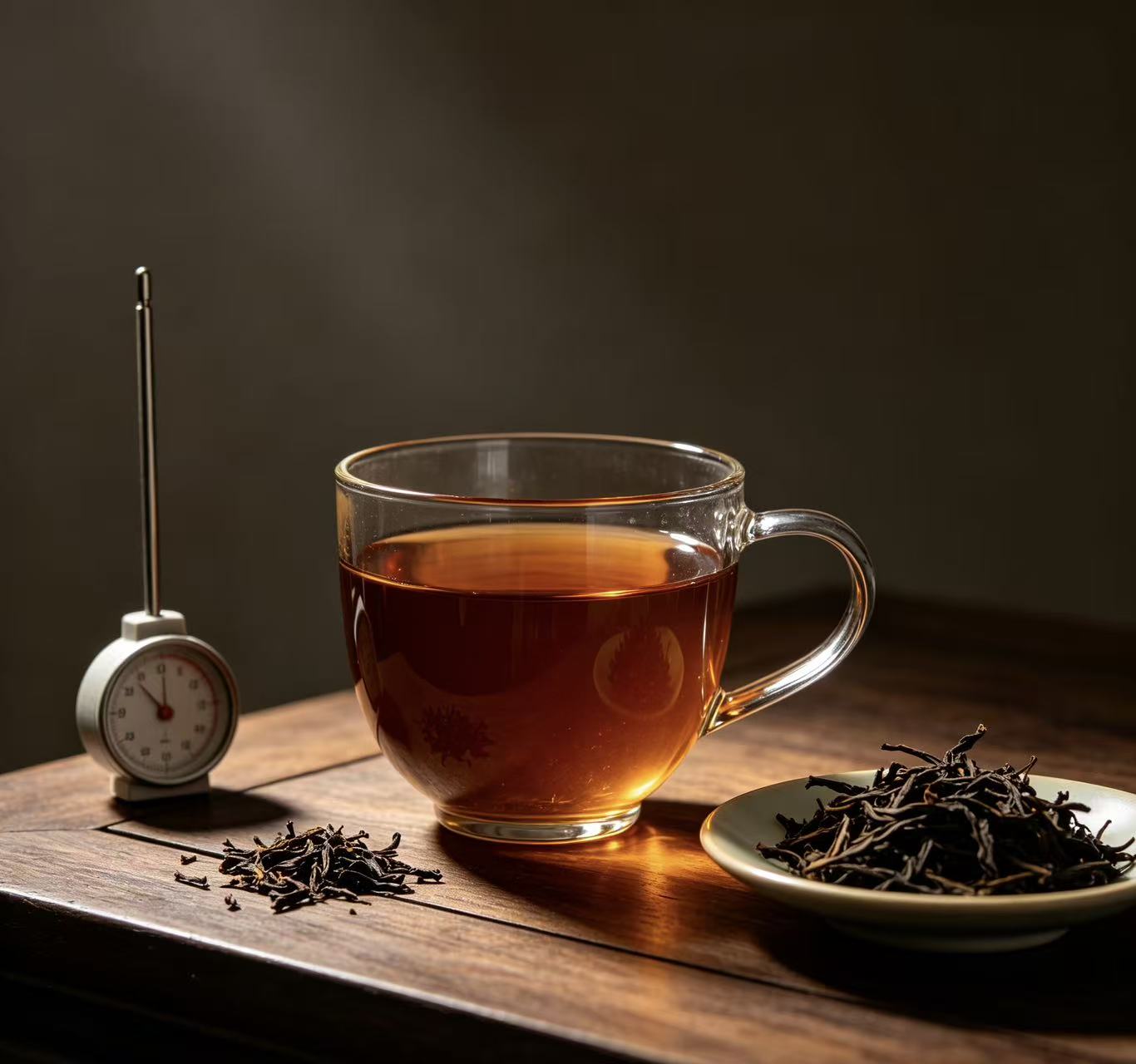
Fix: Use a simple timer for every steep. Set it the moment you pour water, and pour out immediately when it goes off. Build the habit of timing every cup, not just the first one.
Inconsistent Leaf-to-Water Ratio
Most people grab tea leaves by eye or a random spoonful, with no real measurement. One day you might use 4 grams, the next 7 grams — that’s nearly a 75% difference in leaf quantity, and the flavor will reflect it.
Too few leaves taste watery and bland; too many taste harsh and overpowering.
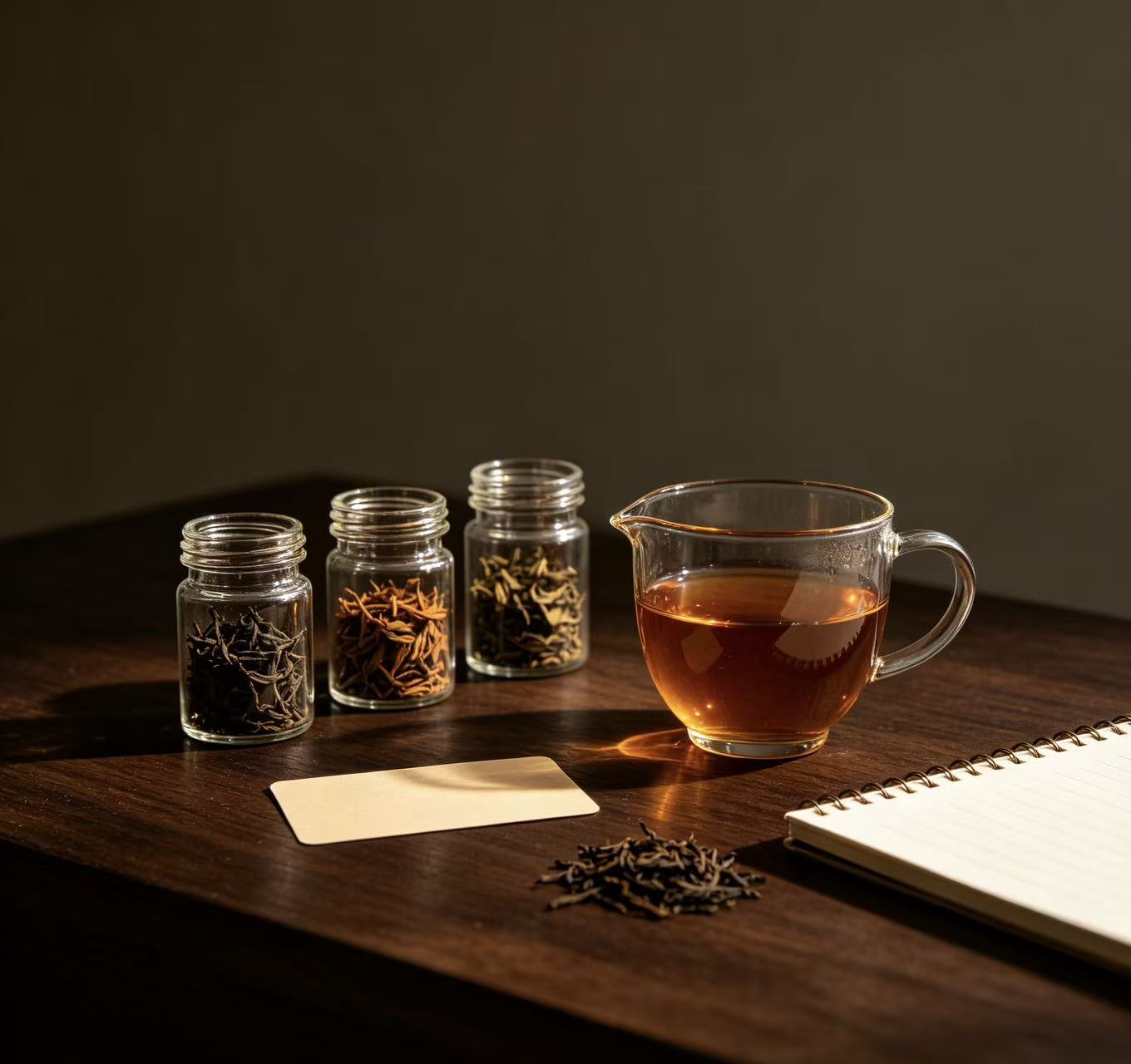
Fix: Use a small kitchen scale to weigh leaves for every brew. If you don’t have a scale, use a dedicated measuring spoon and always level it off. Pick one standard measurement for your go-to tea and stick with it.

Quick Checklist for Consistent Tea Flavor
Keep this short list by your brewing station to eliminate most variables:
Match water temperature to your tea type
Use a timer for every single steep
Measure tea leaves instead of guessing
Pre-warm your cup or gaiwan first
Use the same water volume each time
Frequently Asked Questions
Why does tea taste better at tea shops than at home?
Tea shops use precise measurements, temperature-controlled kettles, and consistent timing. Most home brewers guess at all three variables, which creates uneven, unreliable results.
Can old tea cause changing flavor?
Tea that’s gone stale will taste flat overall, but it won’t swing from good to bad day to day. If the difference is noticeable between brews, it’s almost always caused by brewing variables, not the tea going bad.
Do I need expensive gear to fix this?
Not at all. A cheap kitchen thermometer and a basic phone timer are enough to fix 90% of inconsistent flavor issues.
Final Thoughts
At the end of the day, the reason your tea tastes different every time usually comes down to small, unnoticeable changes in your brewing routine. You don’t need fancy tools to fix it — a little attention to temperature, timing, and leaf quantity will give you reliably delicious tea every morning.
For more step-by-step brewing tips, head over to our Brewing Guides to refine your technique, or browse our Teaware collection to find simple tools that make consistent brewing effortless.